
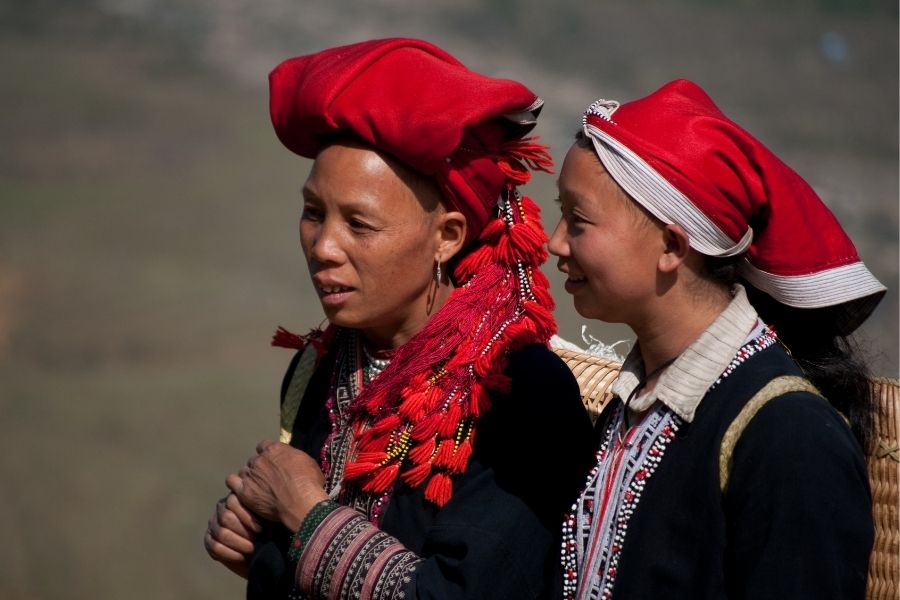

Vietnam is often introduced to cruise passengers through brief shore excursions – a cyclo ride around the Old Quarter, a quick visit to a pagoda, a tasting of local food before returning to the ship. These short encounters are visually rich and memorable, yet they only skim the surface of Vietnamese Culture. Just a few hours on land cannot fully convey the layered history, subtle social values, spiritual depth, and everyday rhythms that shape life across the country. For travelers who wish to go further than a port stop, exploring an extended indochina tour offers the time and continuity needed to understand Vietnam as a living culture rather than a postcard destination.
Vietnamese Culture is not static or staged. It unfolds gradually – in early morning markets, in family meals shared across generations, in quiet village temples, and in the unspoken etiquette that governs daily interactions. This article looks beyond the limits of shore excursions to examine what one day cannot show: the cultural depth that only reveals itself through time, context, and meaningful travel.
Vietnamese Culture as a Living Continuum, Not a Snapshot
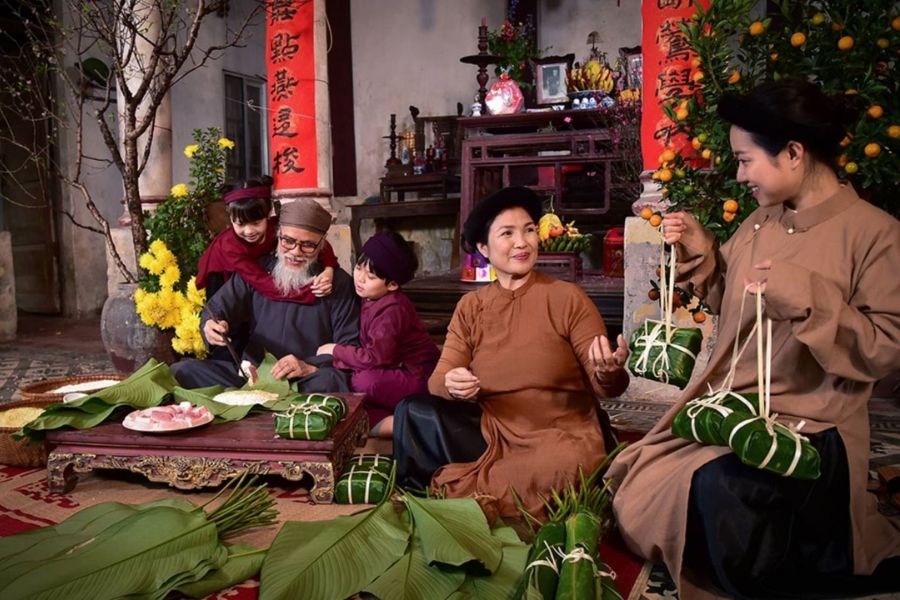
Vietnamese Culture is the result of more than 4,000 years of history shaped by indigenous traditions, Chinese influence, Indian spiritual thought, French colonialism, and modern global exchange. Unlike destinations where heritage is confined to museums, culture in Vietnam is lived daily. It appears in the way elders are greeted, how meals are prepared and shared, and how communities organize festivals and rituals.
A shore excursion may include visits to iconic landmarks such as ancient temples or colonial buildings, but these stops rarely provide the broader narrative. For example, a pagoda visit may highlight architectural beauty without explaining how Buddhism, Confucianism, and folk beliefs coexist in Vietnamese spiritual life. Similarly, a walk through an old town may showcase preserved facades without revealing how modern Vietnamese families adapt tradition to contemporary life.
Understanding Vietnamese Culture requires seeing how the past and present overlap. Rural villages still follow agricultural calendars tied to ancestral rituals, while urban youth blend traditional values with global lifestyles. This coexistence cannot be fully appreciated in a compressed itinerary measured in hours.
The Depth of Vietnamese History Beyond Tourist Highlights
Vietnam’s history is complex, marked by centuries of resistance, adaptation, and cultural resilience. Many shore excursions focus on major historical sites, yet history in Vietnam is also preserved through oral traditions, local memorials, and family stories.
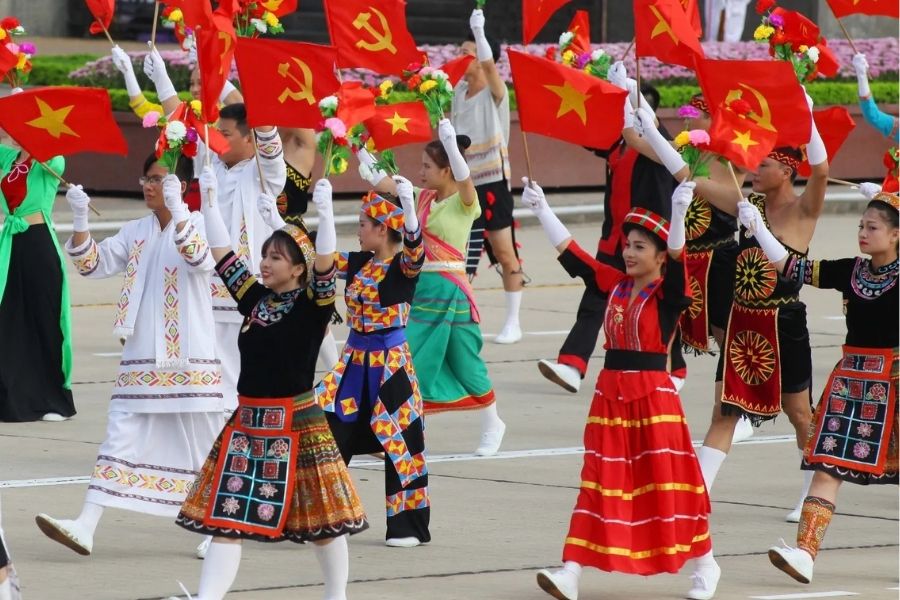
In central Vietnam, former imperial cities reveal layers of royal ceremony and Confucian governance. In the north, villages near the Red River Delta maintain communal houses that once served as administrative and spiritual centers. In the south, waterways shaped a culture of trade, openness, and cultural fusion. These regional differences form a crucial part of Vietnamese Culture, but they are difficult to grasp without traveling between regions and spending time in each.
Organizations such as UNESCO have recognized multiple Vietnamese cultural sites and practices, from ancient towns to traditional music forms, underscoring the depth and diversity of the country’s heritage. However, recognition alone does not equate to understanding. True appreciation comes from experiencing how history continues to influence daily behavior, social hierarchy, and collective memory.
Everyday Life: Where Vietnamese Culture Truly Reveals Itself
The essence of Vietnamese Culture is most visible in everyday life rather than curated attractions. Early mornings in Vietnam begin with street vendors setting up small plastic stools, serving breakfast soups to office workers, students, and retirees alike. These scenes reflect values of community, practicality, and social equality that are rarely explained during guided shore visits.
Family remains the core social unit in Vietnam. Multiple generations often live under one roof or maintain close daily contact. Respect for elders, known as “kính trên nhường dưới,” shapes communication and decision-making. Visitors on short excursions may observe this dynamic but rarely have the opportunity to understand its emotional and cultural significance.
Extended travel allows observation of daily rituals: children paying respect to ancestors before school, shop owners offering incense at small altars, and families gathering for meals that reinforce bonds. These moments, though quiet, are central to Vietnamese Culture and cannot be scheduled into a tight shore itinerary.
Regional Lifestyles and Cultural Nuances
Vietnam stretches over 1,600 kilometers from north to south, and cultural expression changes noticeably along this length. Northern Vietnam is often associated with reserved communication and strong adherence to traditional norms. Central Vietnam reflects historical royal influence and a deep sense of formality. Southern Vietnam tends to be more open, informal, and commercially oriented due to its history of trade and migration.
A single port visit may introduce one regional identity, but it cannot represent the cultural diversity of the entire country. Understanding Vietnamese Culture requires recognizing these regional nuances and how geography, climate, and history shape local character.
Spiritual Beliefs and Rituals Beyond Temple Visits
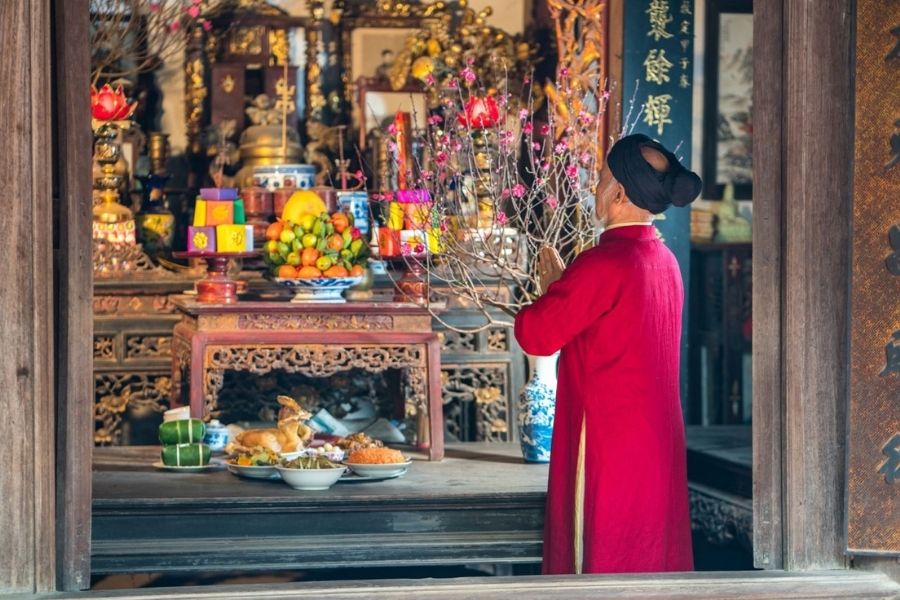
Spirituality is deeply woven into Vietnamese Culture, blending Buddhism, Taoism, Confucian ethics, and indigenous beliefs. Ancestor worship, in particular, plays a central role in family life. Nearly every Vietnamese household maintains an ancestral altar, where offerings are made during festivals, anniversaries, and important life events.
During shore excursions, visitors may enter temples or pagodas, yet the deeper meaning of these practices often remains unexplained. Spiritual life in Vietnam is not confined to religious buildings; it permeates homes, businesses, and public spaces. Understanding why shop owners light incense each morning or why families consult lunar calendars for major decisions requires cultural context and time.
Festivals such as Lunar New Year illustrate the emotional and spiritual core of Vietnamese Culture. These celebrations involve weeks of preparation, travel, and ritual, reflecting values of renewal, family unity, and respect for ancestors. Observing such events as a participant rather than a passerby offers insights unattainable through brief visits.
Vietnamese Cuisine as Cultural Expression, Not Just Tasting
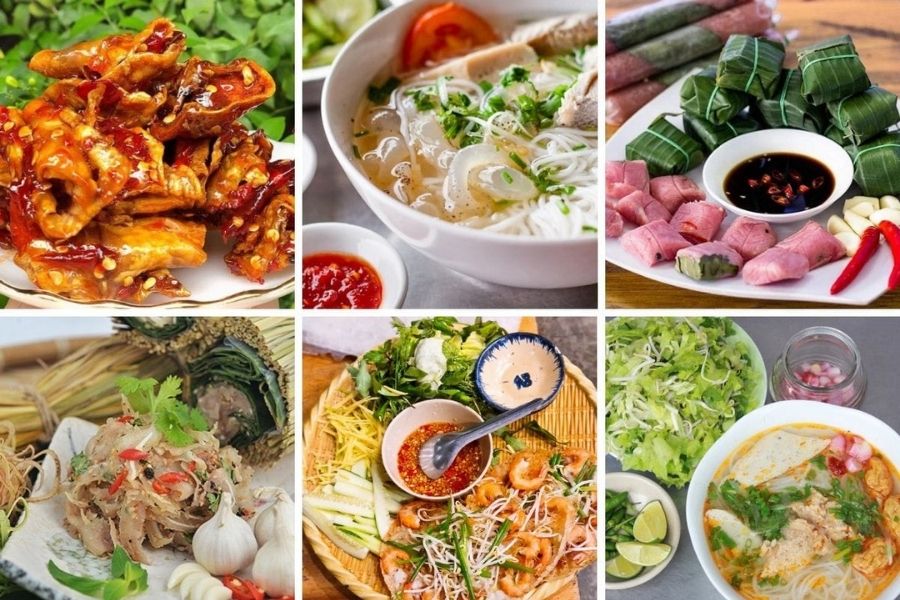
Vietnamese food is often one of the highlights of shore excursions, yet tasting a dish is different from understanding its cultural meaning. Cuisine in Vietnam reflects geography, history, and social structure. Ingredients are chosen based on seasonality, regional climate, and traditional medicine principles.
Meals are typically shared, reinforcing communal values. The balance of flavors – sweet, sour, salty, bitter, and umami – symbolizes harmony, a key concept in Vietnamese Culture. Street food, home cooking, and ceremonial dishes each serve different social functions.
Extended travel allows observation of food sourcing in local markets, preparation methods passed down through generations, and the etiquette surrounding shared meals. These aspects transform food from a sensory experience into a cultural narrative, something a quick lunch stop during a shore excursion cannot provide.
Human Connections That Require Time to Build
Perhaps the greatest limitation of shore excursions is the lack of time to form genuine human connections. Vietnamese Culture places strong emphasis on relationships, trust, and hospitality. While locals are welcoming to visitors, meaningful interaction develops gradually.
Longer stays encourage conversations beyond transactional exchanges. Travelers begin to understand indirect communication styles, the importance of saving face, and the subtle humor embedded in everyday speech. These social dynamics are essential to understanding Vietnamese Culture but remain largely invisible during short visits.
Through extended journeys, visitors may be invited into homes, participate in local activities, or engage in informal conversations that reveal personal perspectives on history, change, and identity. Such experiences transform Vietnam from a destination into a human landscape.
Why One Day Is Never Enough to Understand Vietnamese Culture
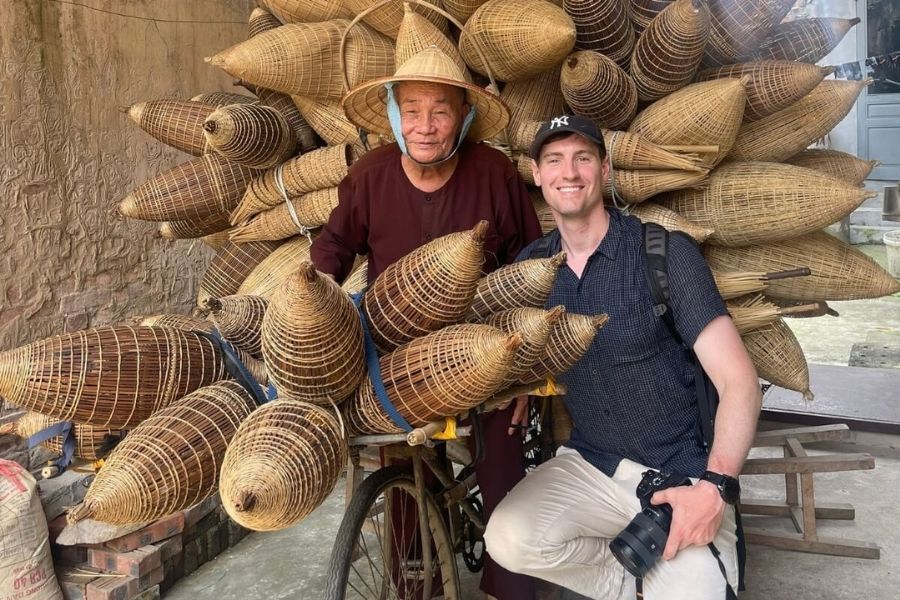
One day can introduce Vietnam, but it cannot explain it. Shore excursions are valuable as first impressions, offering a glimpse of landscapes and landmarks. However, Vietnamese Culture is layered, contextual, and relational. It unfolds through repetition, observation, and participation.
Travelers who move beyond port schedules gain the freedom to explore at a natural pace, allowing curiosity to guide discovery. They witness transitions – from urban centers to rural villages, from historical narratives to contemporary realities. This continuity is essential for cultural understanding.
Choosing an extended journey provides the time needed to connect experiences into a coherent story. Rather than isolated highlights, Vietnam becomes a network of relationships, traditions, and meanings that reflect the true depth of Vietnamese Culture.
Experiencing Vietnamese Culture Through Meaningful Travel
For those seeking more than surface-level encounters, travel designed around cultural immersion offers a different perspective. Rather than focusing solely on attractions, such journeys prioritize context, storytelling, and local interaction.
An in-depth approach allows travelers to appreciate Vietnamese Culture as an evolving identity shaped by resilience, adaptability, and community values. It acknowledges that culture is not consumed but experienced – slowly, respectfully, and with openness.
Vietnam rewards those who give it time. Beyond the port and past the itinerary lies a culture rich in memory, meaning, and humanity – one that cannot be understood in a single day, but reveals itself generously to those willing to stay longer.


0 Comment