

Cruise travel offers a convenient way to explore multiple destinations in a single journey, but for many travelers arriving in Southeast Asia, a few hours onshore often feel insufficient. This is why an increasing number of cruise passengers are choosing to extend their port visits into a well-designed indochina tour, transforming traditional shore stops into immersive Multi-Day Shore Excursions that allow deeper cultural engagement across Vietnam, Cambodia, and Laos. Rather than returning to the ship after a brief sightseeing loop, these travelers step beyond the port to experience Indochina at a more meaningful pace – where history, daily life, and regional connections unfold naturally over several days.
The Limitations of Traditional Shore Excursions in Indochina
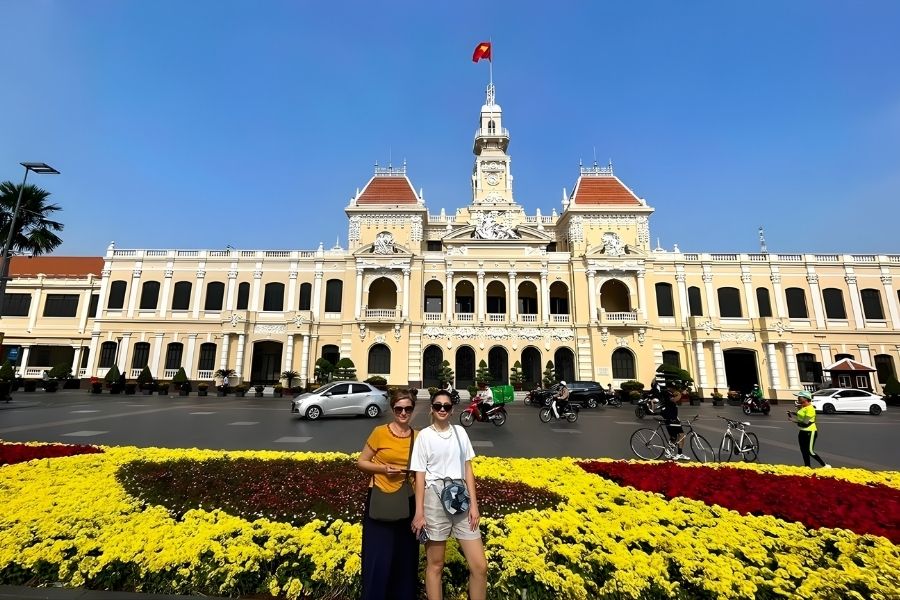
For decades, shore excursions have been built around efficiency. Cruise passengers dock in ports such as Ho Chi Minh City (via Phu My), Chan May, or Sihanoukville, board air-conditioned buses, visit two or three key attractions, and return to the ship within a fixed timeframe.
While these experiences are professionally organized and logistically smooth, they come with inherent constraints:
- Time compression: Many Indochina destinations require hours of travel from port to city center, leaving little room for exploration.
- Surface-level interaction: Cultural encounters are often limited to observation rather than participation
- Standardized experiences: Excursions cater to large groups, reducing flexibility and personalization.
- Missed regional context: Each port is treated as an isolated stop rather than part of a connected cultural landscape.
In regions like Indochina, where history, spirituality, cuisine, and daily life unfold at a slower, more nuanced pace, these limitations can feel especially pronounced.
According to a 2023 report by the Cruise Lines International Association (CLIA), over 45% of repeat cruise travelers expressed interest in “extended land-based travel before or after their cruise,” citing a desire for deeper cultural immersion and flexibility. Southeast Asia ranked among the top regions where this demand was strongest.
Why Multi-Day Shore Excursions Are Redefining the Cruise Experience?
From Observation to Immersion
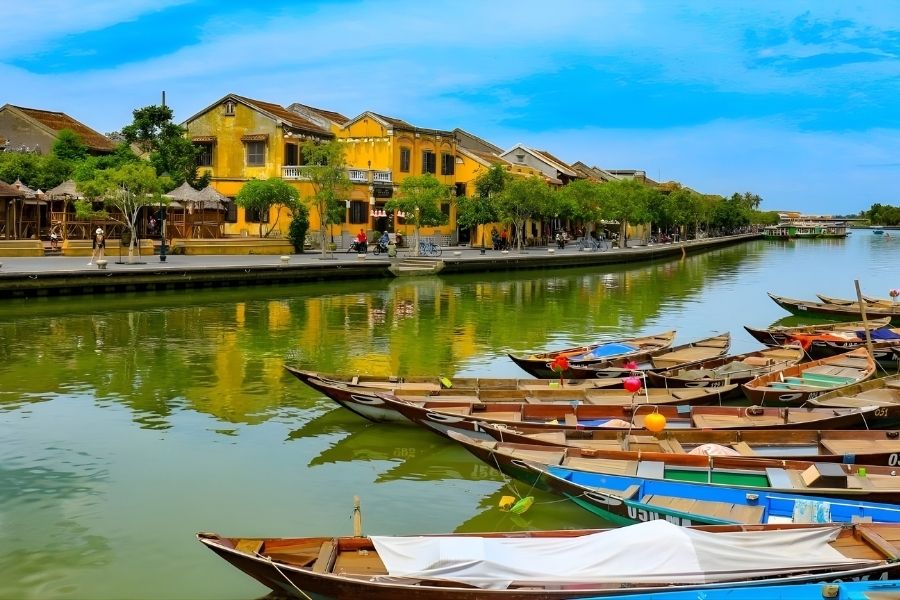
Multi-Day Shore Excursions represent a fundamental shift in how travelers engage with destinations. Instead of consuming highlights, travelers participate in daily life – walking through early morning markets, sharing meals with local families, and witnessing rituals that cannot be scheduled into a four-hour window.
In Vietnam, this might mean spending multiple days in Hoi An to understand its layered history as a trading port, or traveling from Hanoi to rural villages where traditions remain deeply rooted. In Cambodia, it allows time to explore Angkor beyond sunrise photos, understanding its religious symbolism and historical significance through guided interpretation. These experiences foster emotional connection rather than passive observation – something increasingly valued by modern travelers.
A Natural Fit for Indochina’s Geography and Culture
Indochina is not defined by single landmarks but by continuity of landscapes, rivers, belief systems, and trade routes. A multi-day approach aligns naturally with this reality.
For example:
- The Mekong River connects Vietnam, Cambodia, and Laos both geographically and culturally.
- Architectural influences flow seamlessly across borders.
- Culinary traditions evolve gradually rather than abruptly from one country to the next.
Multi-day itineraries allow travelers to perceive these connections holistically, something impossible within the constraints of standard shore excursions.
The Rise of Post-Cruise Land Journeys in Southeast Asia
Changing Traveler Profiles
Cruise travelers are no longer a homogeneous group. Today’s passengers increasingly include:
- Retired professionals with extended travel time
- Cultural enthusiasts and history-focused travelers
- Luxury travelers seeking bespoke experiences
- Long-haul visitors from Europe, Australia, and North America maximizing travel distance
These travelers often view cruises as gateways rather than endpoints – a way to reach regions they intend to explore more deeply afterward. Industry data from Virtuoso and Skift indicates that high-value travelers are prioritizing longer stays, customized itineraries, and experiential travel over traditional sightseeing. This trend has accelerated post-pandemic, as travelers place higher value on meaningful journeys over quantity of destinations.
Seamless Transition from Sea to Land
Indochina’s major cruise ports are strategically located near iconic inland destinations:
- Phu My → Ho Chi Minh City & Mekong Delta
- Chan May → Hue, Da Nang, Hoi An
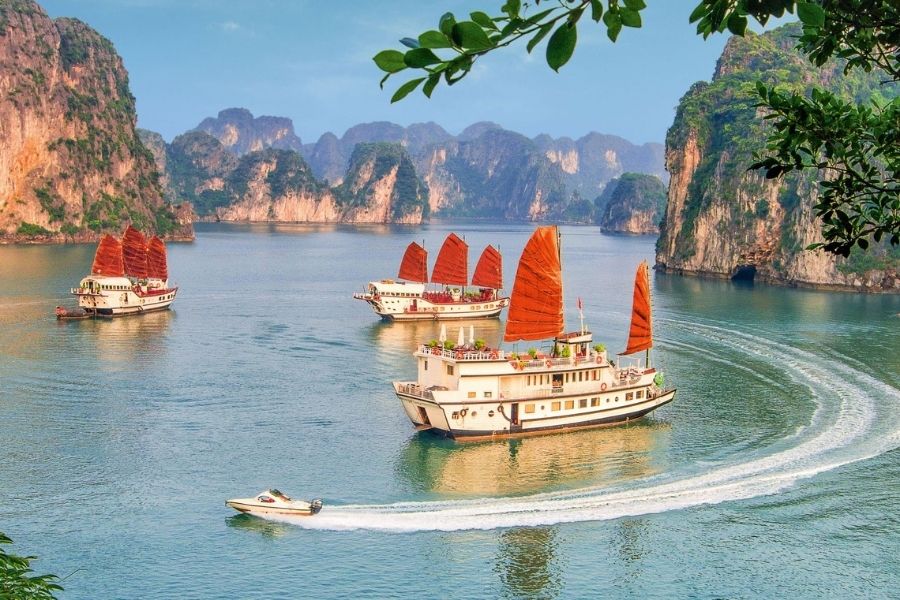
- Ha Long Bay → Hanoi & Northern Vietnam
- Sihanoukville → Phnom Penh & Angkor
This proximity makes it logistically straightforward to extend a cruise stop into a land-based journey, particularly when supported by experienced destination specialists familiar with cruise schedules and regional transport.
What Makes Multi-Day Shore Excursions in Indochina Especially Appealing
Cultural Density Within Short Distances
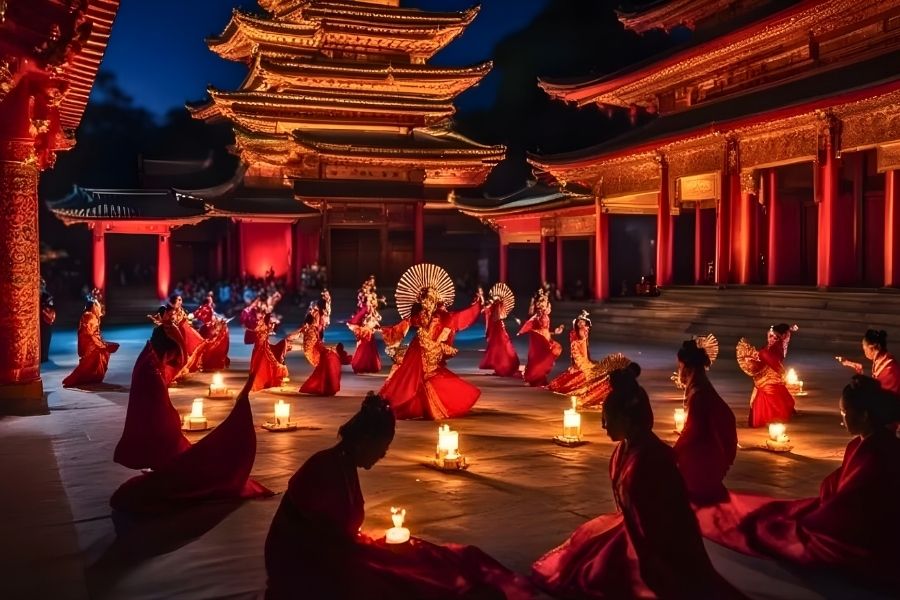
Few regions offer as much cultural diversity within such compact geography. Within a single multi-day itinerary, travelers can experience:
- Imperial history in Hue
- Colonial architecture in Hanoi
- Spiritual traditions in Luang Prabang
- Rural life in the Mekong Delta
- Ancient civilizations in Angkor
Each destination complements the others, creating a layered narrative rather than disconnected snapshots.
Authentic Encounters Beyond Tourist Corridors
Extended travel allows access to places rarely included in standard shore programs:
- Artisan villages preserving centuries-old crafts
- Family-run eateries serving regional dishes unavailable in tourist districts
- Countryside landscapes where daily rhythms remain unchanged
These encounters contribute significantly to perceived travel value and long-term satisfaction. A study published by the UN World Tourism Organization (UNWTO) highlights that travelers who engage in longer, community-based experiences report higher levels of destination loyalty and cultural understanding.
Designing Responsible and Meaningful Multi-Day Shore Excursions
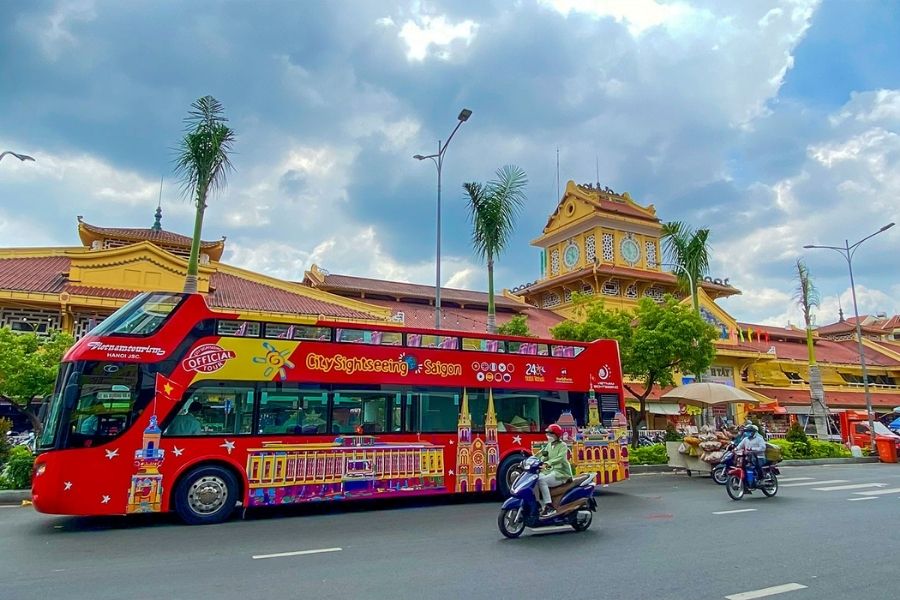
The Role of Local Expertise
Successful Multi-Day Shore Excursions depend heavily on local knowledge. Understanding seasonal conditions, regional festivals, transportation nuances, and cultural etiquette is essential – particularly in Indochina, where travel conditions vary widely by location and time of year.
Experienced destination operators prioritize:
- Ethical community engagement
- Respect for cultural and religious practices
- Environmental sustainability
- Realistic pacing to avoid travel fatigue
These factors not only enhance traveler experience but also contribute to long-term destination preservation.
Trust, Safety, and Professional Standards
For cruise travelers accustomed to high service standards, trust is critical. Extended journeys require confidence in logistics, accommodation quality, and emergency support. Reputable land-based programs typically include:
- Clear coordination with cruise arrival and departure schedules
- Licensed guides with regional specialization
- Carefully vetted accommodations
- Transparent communication and contingency planning
Such professionalism reassures travelers transitioning from cruise-controlled environments to independent land travel.
Indochina as a Model for Extended Shore-Based Travel
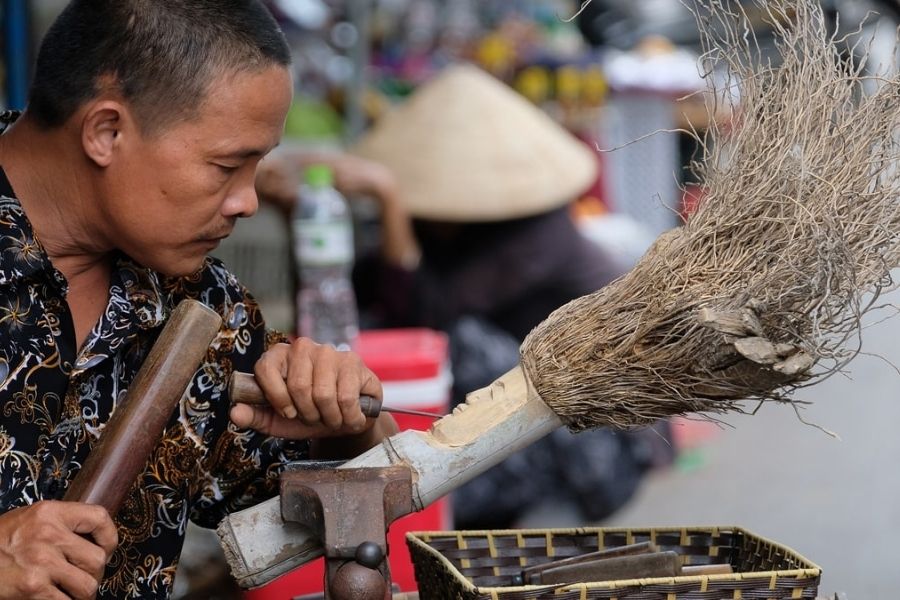
A Region Designed for Storytelling Travel
Indochina’s appeal lies not only in its landmarks but in its stories – of resilience, cultural continuity, and human connection. Multi-day travel allows these narratives to unfold organically. Rather than “seeing” Indochina, travelers come to understand it: how history shaped modern society, how traditions persist amid change, and how communities adapt while preserving identity.
Long-Term Value for Travelers and Destinations
Extended journeys benefit not only visitors but also host communities. Longer stays distribute economic benefits more evenly, reduce pressure on over-visited sites, and encourage sustainable tourism development. For travelers, the reward is equally significant: stronger emotional connection, richer memories, and a more nuanced understanding of the region.
The Future of Cruise-Connected Travel in Southeast Asia
As cruise itineraries continue to expand across Asia, Multi-Day Shore Excursions are likely to become a defining feature of premium travel experiences. Indochina, with its cultural depth and logistical accessibility, stands at the forefront of this evolution.
What began as a convenient add-on to cruise travel is increasingly viewed as an essential extension – transforming brief port calls into journeys that resonate long after the voyage ends. For travelers seeking more than fleeting impressions, extending a shore visit into a thoughtfully curated Indochina experience is not merely an upgrade – it is a redefinition of what travel can be.


0 Comment