

A cruise gives you the pleasure of moving between destinations without changing hotels, but it can also reveal places you would like to explore more slowly. A few hours in a Vietnamese town may leave you wanting an evening food walk, time in the countryside or a second day with the same local guide.
For travellers considering tailor-made Vietnam itineraries, a land extension can turn those interests into a practical programme before or after the sailing. The key is to build around the actual cruise start or finish, then choose a region and pace that fit the days you have available.
Pre- and post-cruise Vietnam tours work best when the connection between ship, land accommodation and onward travel is planned as carefully as the sightseeing itself.
Establish where your cruise really starts or ends
A Vietnam port call is not necessarily an embarkation or disembarkation point. Before planning extra nights, confirm where your booked cruise begins and ends, and whether your arrival or onward journey makes a Vietnam stay practical.
If the sailing starts or finishes in another country, adding Vietnam may involve another flight and a separate transfer plan. That can still be worthwhile, but it should be considered part of the wider trip rather than an automatic extension beside the vessel.
Keep a port visit separate from a land extension

An overnight call does not by itself give you permission to leave the cruise permanently or join it later elsewhere. Any change to your participation in an ongoing sailing requires confirmation from the cruise line and the relevant arrangements.
For an ordinary shore excursion, plan to return as instructed. For a genuine land extension, establish a clear handover between the cruise booking and the independent travel programme. Confirm the applicable document requirements through the relevant official guidance and your cruise line.
Decide whether to travel before or after the sailing
A pre-cruise stay can help you settle into the region before embarkation. It also gives you a chance to explore without trying to fit everything into one shore day. However, the final approach to the ship should be deliberately straightforward.
A post-cruise stay allows the journey to continue after disembarkation. You may prefer a relaxed first afternoon, particularly if the cruise ends early in the morning or involves a transfer to another city.
Protect the important connection
Discuss flight and transfer buffers with the planner using your actual tickets and cruise instructions. A complicated sightseeing day immediately before embarkation can create avoidable pressure.
For a post-cruise programme, avoid committing the first activity to an exact arrival minute before disembarkation procedures are confirmed. An adjustable hotel transfer or gentle introductory walk can provide a more comfortable start than a tightly timed workshop.
Choose one region before choosing individual tours

It is tempting to use a few extra days to see the whole country. A regional stay usually provides a more satisfying balance of travel, local experiences and time to rest.
Begin with the location of your international connection and the places you most want to explore. Then count usable days, remembering that transfers, check-in and flights occupy part of the schedule.
Three hotel nights do not always create three full sightseeing days. Request a dated programme with arrival and departure arrangements included, so the amount of time on the ground is clear.
A northern extension: Hanoi and countryside experiences
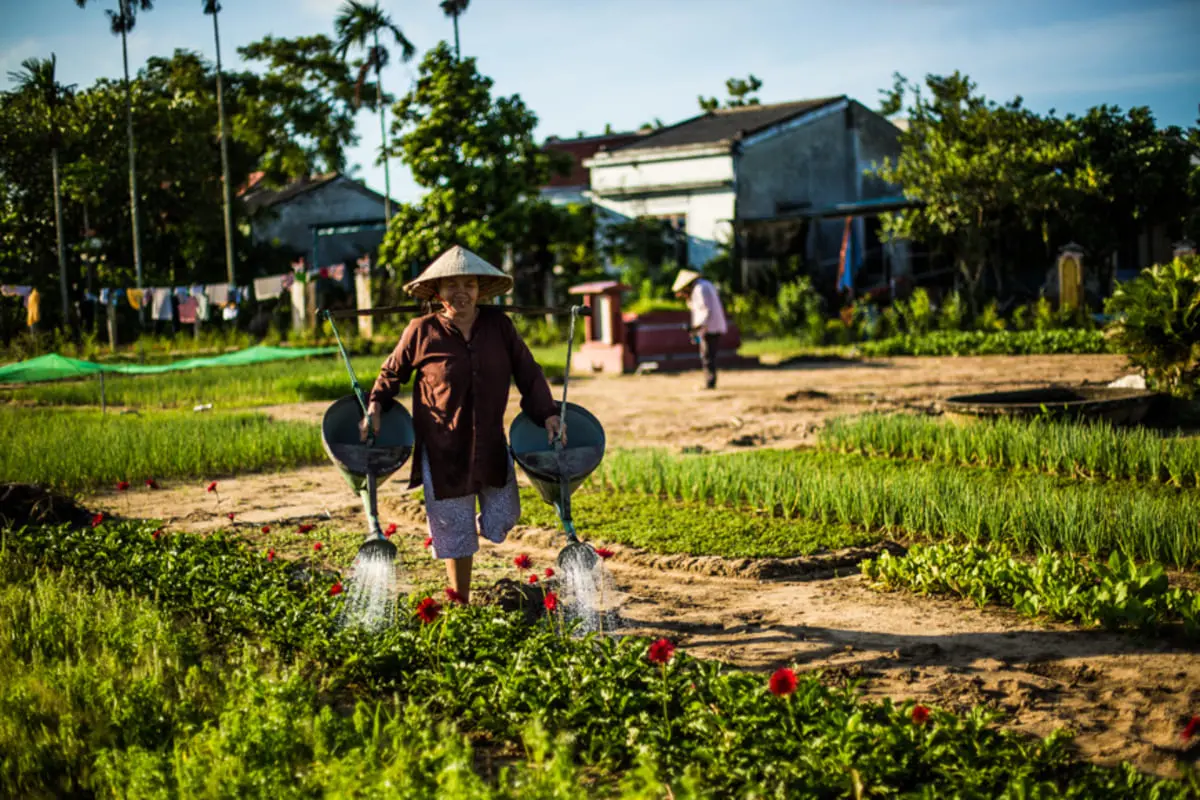
A northern land stay can combine time in Hanoi with a selected countryside experience. It offers a different perspective from a bay-focused cruise call and can suit travellers who enjoy street life, food and landscape.
One possible three-night framework is to arrive and settle into Hanoi on the first day, spend the next day exploring the city with a local guide, and use the third day for a carefully chosen outing. The final morning then follows your actual onward travel schedule.
Choose between food, craft and landscape
An Old Quarter walk can be paired with a food experience, while Bat Trang offers a pottery theme for a separate visit. Ninh Binh provides a landscape-focused alternative, including the limestone scenery associated with Trang An.
These are choices rather than a requirement to include everything. If you prefer fewer transfers, spend more time in Hanoi. If Ninh Binh is a priority, consider whether an overnight stay would make the route more comfortable and how it fits your next connection.
A central extension: give heritage towns more time
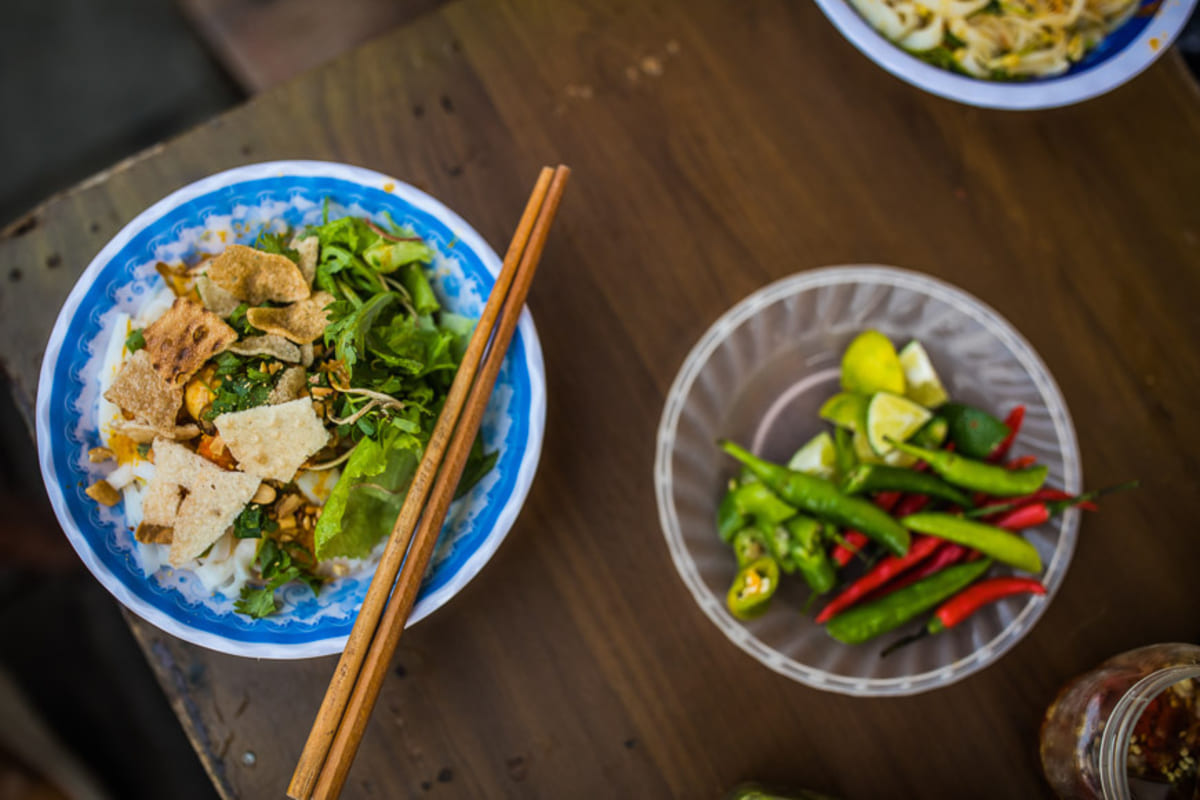
Central Vietnam can work well for travellers whose main interests are heritage, food and a slower town-based stay. Hoi An and Hue offer different experiences, so the programme should account for the journey between them rather than treating them as interchangeable day-trip labels.
For a short extension, choose one base. A Hoi An stay might include an introductory heritage walk, a separate food or cooking experience and a free period to explore at your own pace. A Hue stay can give historic visits and regional meals their own space in the itinerary.
Add a second base only when it earns its place
With more nights available, staying in both places may make sense. The transfer then becomes part of the programme, with luggage, hotel timing and the group’s comfort considered in advance.
Avoid using every arrival afternoon for sightseeing. A quiet meal or time at the hotel can be valuable after a flight or a road journey. Land travel offers that flexibility, and there is no need to preserve the compressed rhythm of a shore excursion.
A southern extension: city life and the Mekong Delta
Ho Chi Minh City can serve as the focus of a southern land programme, with room for neighbourhood walks and food experiences that are difficult to complete during a distant port call.
If you also want to visit the Mekong Delta, choose the specific area and experience before deciding whether to travel for a day or stay overnight. The region should not be treated as a single stop beside the city.
Let an overnight stay support the experience
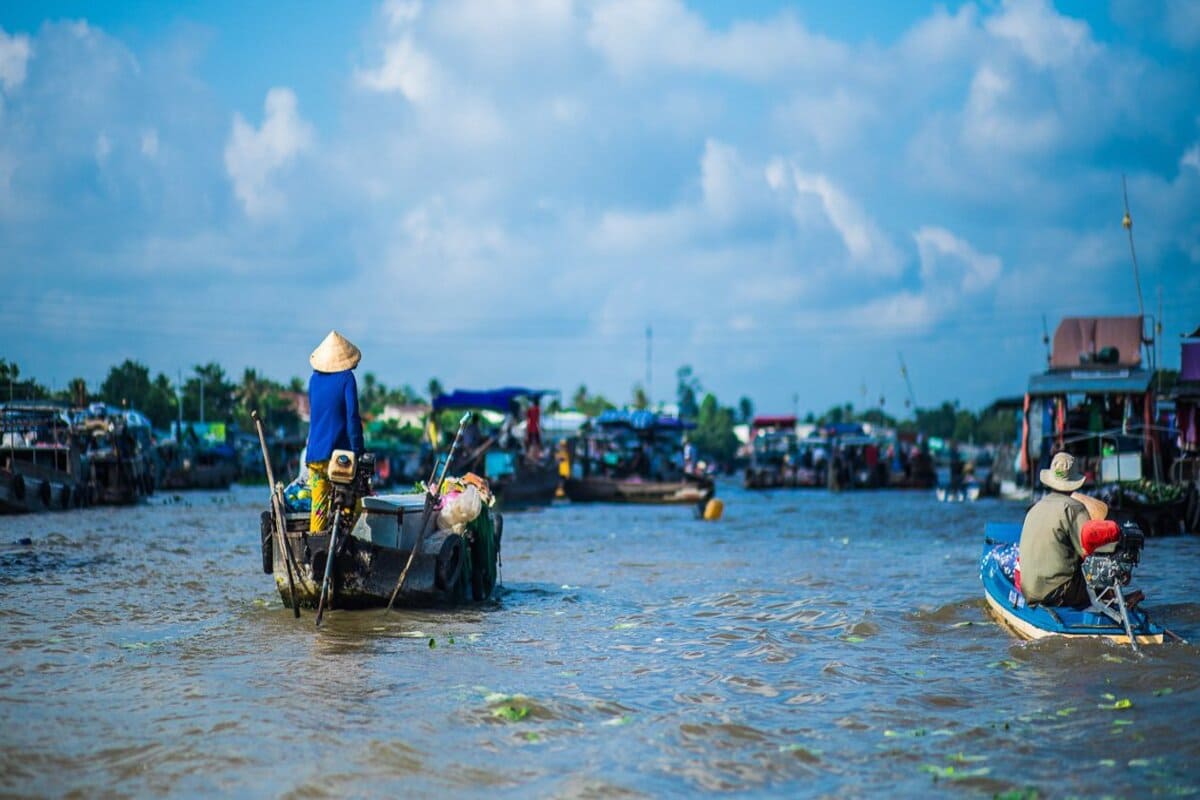
For example, Can Tho offers a river-based setting, and a visit associated with Cai Rang’s morning market needs a different schedule from an afternoon city walk. Staying locally can make an early start more manageable, depending on the route and your interests.
Do not add this programme to a Phu My shore day simply because both are described as southern Vietnam. A separate land itinerary has different time allowances and can give the journey a more comfortable pace.
Join the bookings into one clear travel plan
Ask who is responsible for each stage: cruise arrangements, airport transfer, hotel, local guide and onward transport. If more than one provider is involved, share the confirmed information with each rather than assuming they have the complete schedule.
Discuss luggage storage, hotel check-in expectations and any activity that requires advance booking. Request a clear list of inclusions and keep optional experiences separate from services essential to the trip.
Plan for changes without filling every gap
A little open time can help with delayed arrivals or simple fatigue. It also gives you freedom to return to a café, spend longer in a neighbourhood or follow an interest discovered during the trip.
Choose one priority for each full day and leave room around it. This produces a land extension with its own rhythm rather than several shore excursions arranged back to back.
Build on the cruise, rather than repeat it
Think about what the sailing already includes. If you have a heritage-focused shore excursion, a later land stay could add cooking or countryside time. If the cruise concentrates on coastal scenery, use the extension to explore local neighbourhoods.
A thoughtfully planned extension gives both forms of travel a purpose. The ship introduces destinations along the coast, while the land programme provides time for the experiences that need a later start, an evening, a conversation or another day. That connection can make the whole journey feel more personal without making it unnecessarily complicated.


0 Comment