

Some of the most interesting moments on a cruise excursion happen between the headline attractions. A guide explains the ingredients in a small dish, a craftsperson demonstrates a familiar movement, or a quiet street reveals how a neighbourhood uses the space around it. These encounters can give a short visit a sense of place.
For travellers who want to build on that introduction, private Vietnam tours with local guides can create more time for regional food, craft traditions and everyday life during a longer land journey. A port day offers a starting point; a local tour allows the same interest to develop beyond the ship’s timetable.
You do not need to choose between a famous landmark and a cultural experience. The most rewarding Vietnam cultural shore excursions often connect the two, using a focused visit to explain the wider community around it.
Look for a story, rather than a hidden place
The phrase “local experience” can cover many different activities. A useful way to assess one is to ask what you will learn and how the visit will unfold.
A busy market can reveal food habits when a guide explains the produce and shopping routines. A well-known historic street can be equally interesting when you understand who built it, how it was used and what continues there today. Being far from other visitors is not the only measure of a worthwhile encounter.
Make room for observation
Leave a little unstructured time within the guided activity. Ask a question, notice how a dish is served or watch a demonstration before moving on. This is easier when the route has fewer stops.
Let the guide know your particular interests. Someone curious about architecture may want to examine a doorway or courtyard, while a keen cook may prefer to discuss herbs. The same neighbourhood can support different conversations without requiring an entirely different excursion.
Hoi An: connect trading history with everyday details
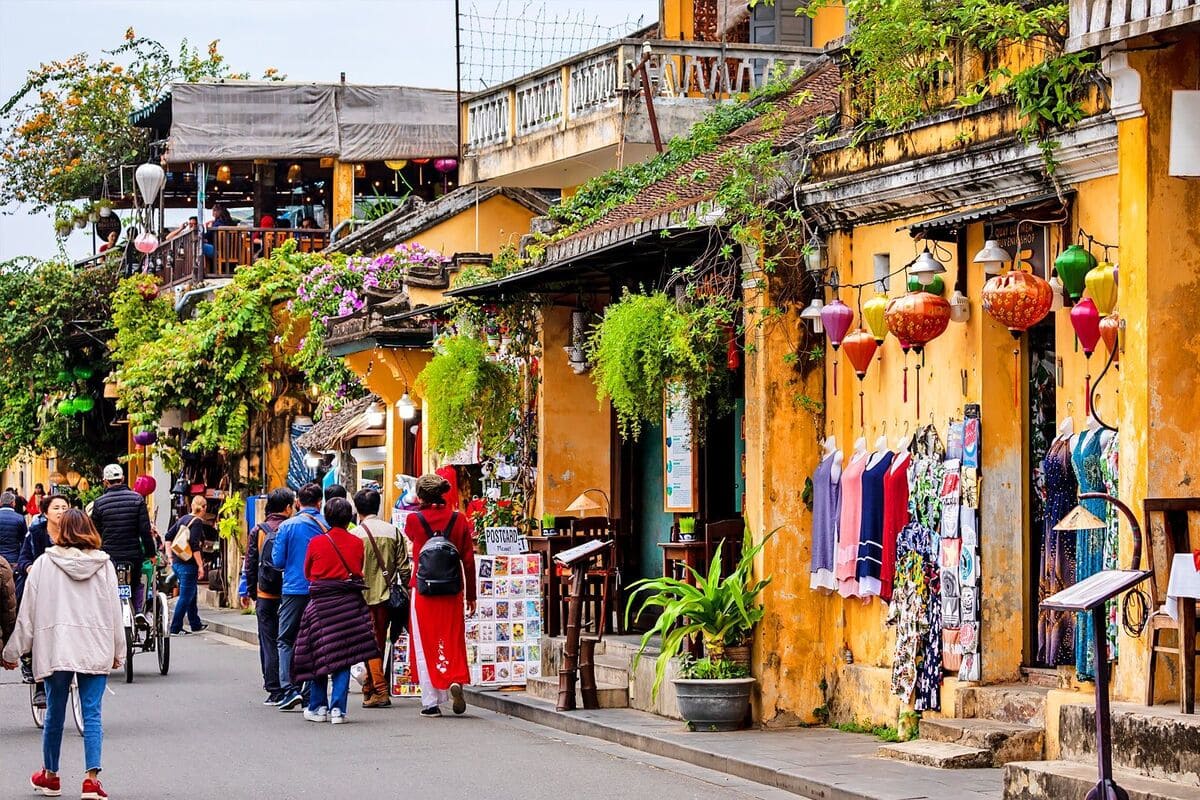
Hoi An’s history as a trading town provides a natural theme for a cultural visit. Its architecture reflects different influences, and a guided walk can help you notice details that are easy to miss when you concentrate only on taking photographs.
Combine a heritage stop with one smaller experience: a regional meal, a craft demonstration or a conversation about how the town has changed. The connection gives the excursion a coherent story instead of making food and shopping feel like unrelated additions.
Let a craft visit have a clear purpose
Ask whether a proposed craft stop involves watching a maker, learning about materials or taking part yourself. These are different experiences and require different amounts of time.
For a cruise visit, a short demonstration may be the right choice. During a longer stay, a confirmed workshop can give you time to try a technique and ask more detailed questions. Neither format should depend on an obligation to buy something. Agree on the activity and any cost beforehand.
Hoi An also offers opportunities to explore surrounding countryside and food traditions. On a port day, choose one of these directions if the transfer and ship schedule allow it. During a land visit, separate days can give each experience room to develop.
Hue: understand culture through heritage and food
Hue’s imperial heritage provides a strong framework for a shore excursion, but the experience can extend beyond buildings. A guide can connect a historic visit with the city’s food culture and the way residents use familiar spaces.
Instead of treating lunch as a pause in the cultural programme, use it as part of the story. Ask how a dish is served, which ingredients define it and whether people commonly share it or order individual portions.
Try a small selection with good explanations
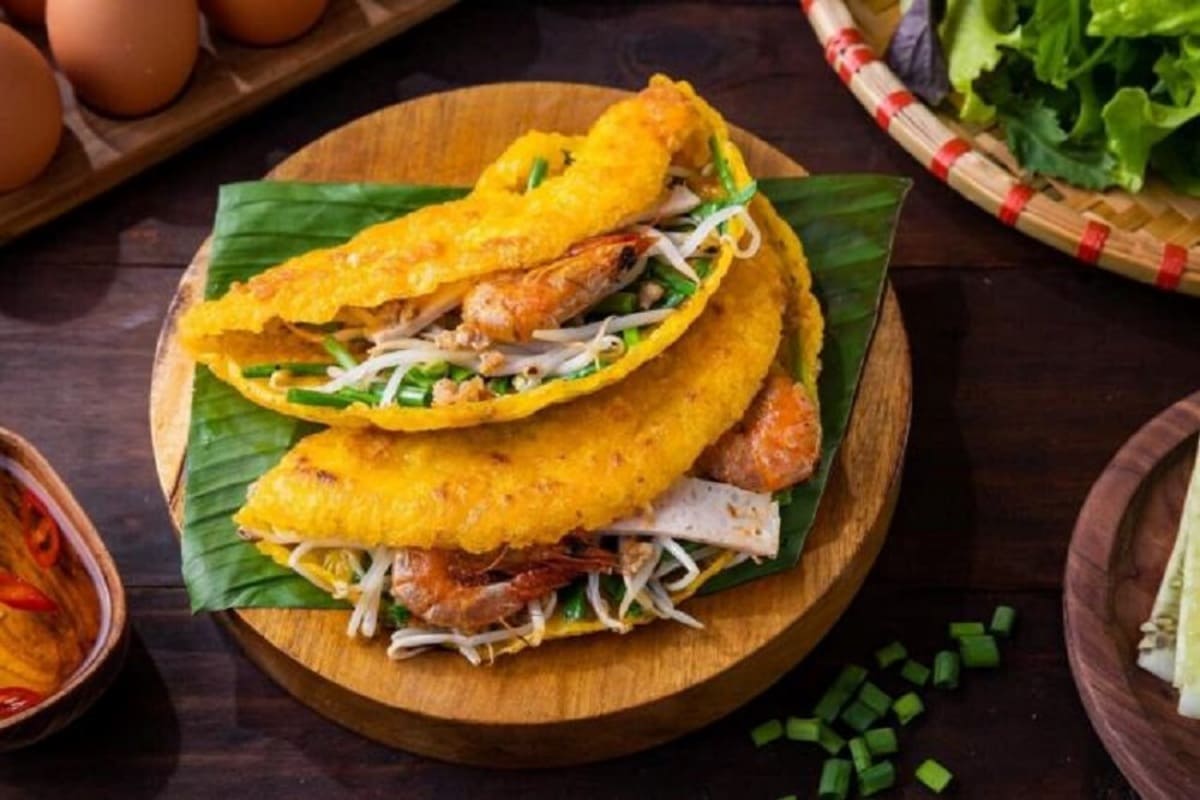
Hue specialties include bánh bèo, small steamed rice cakes, and bánh khoái, a savoury pancake. A modest tasting can introduce contrasts in texture and flavour without turning lunch into a complicated sequence of venues.
Ask about the actual ingredients before ordering, particularly if you avoid shellfish or have other dietary requirements. Regional food is easier to appreciate when the meal suits the group and there is enough time to enjoy it seated.
For a later land journey, Hue can support a slower programme that separates heritage visits, food experiences and time to explore. A cruise introduction helps you decide which aspect you want to pursue.
Ho Chi Minh City: read the neighbourhood through its routines
Urban culture becomes more understandable when you explore a manageable area rather than travelling constantly between landmarks. In Ho Chi Minh City, a market or café can provide a useful setting for learning how people shop, meet and eat.
Ask your guide to explain what is happening around you. Which products are intended for daily cooking? How do customers order? What makes one type of café different from another? These questions create a richer visit than photographing activity without context.
Match food curiosity to the available time
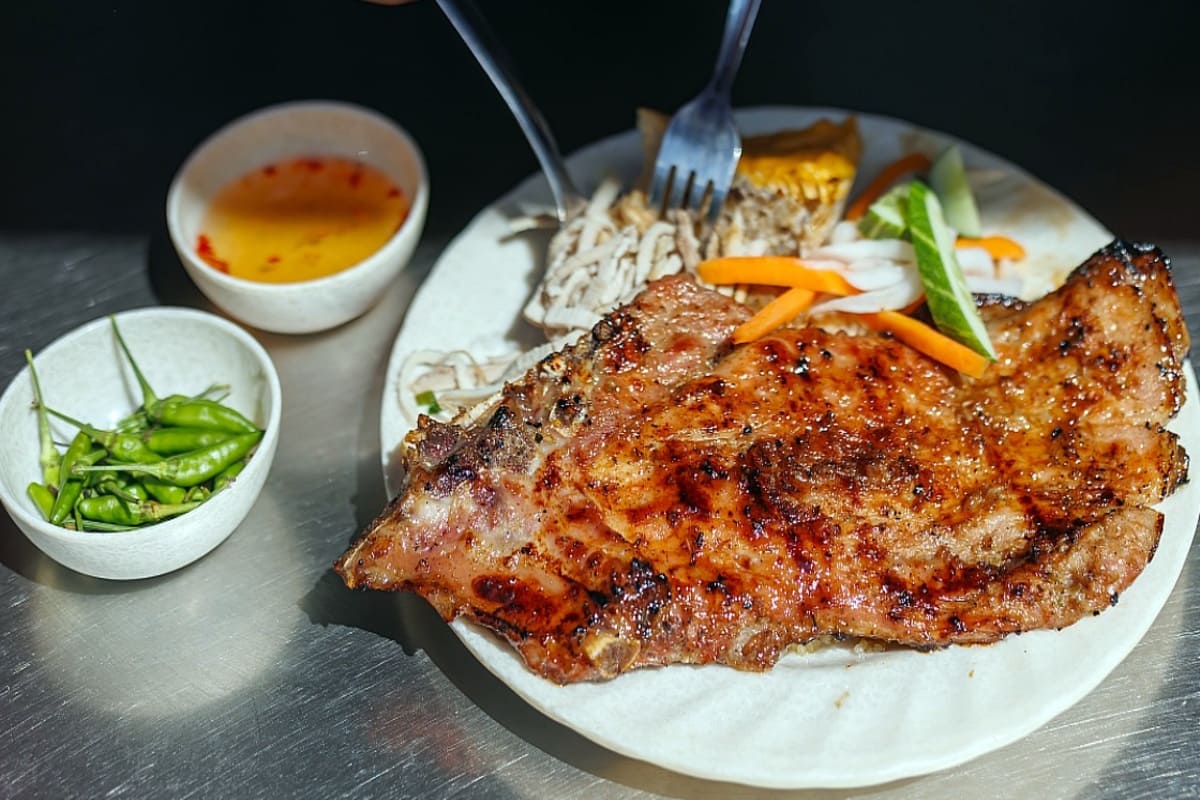
The city’s food scene includes dishes such as bánh mì and cơm tấm, or broken rice. Choose a stop that fits the route and offers a suitable place to eat. A single well-explained dish may be enough to make the day memorable.
If the ship calls at a port outside the city, transfer time needs to shape the programme. Save a longer neighbourhood walk or evening food tour for a land stay rather than forcing it into a tightly scheduled excursion.
Nha Trang: add coastal history to a seaside visit
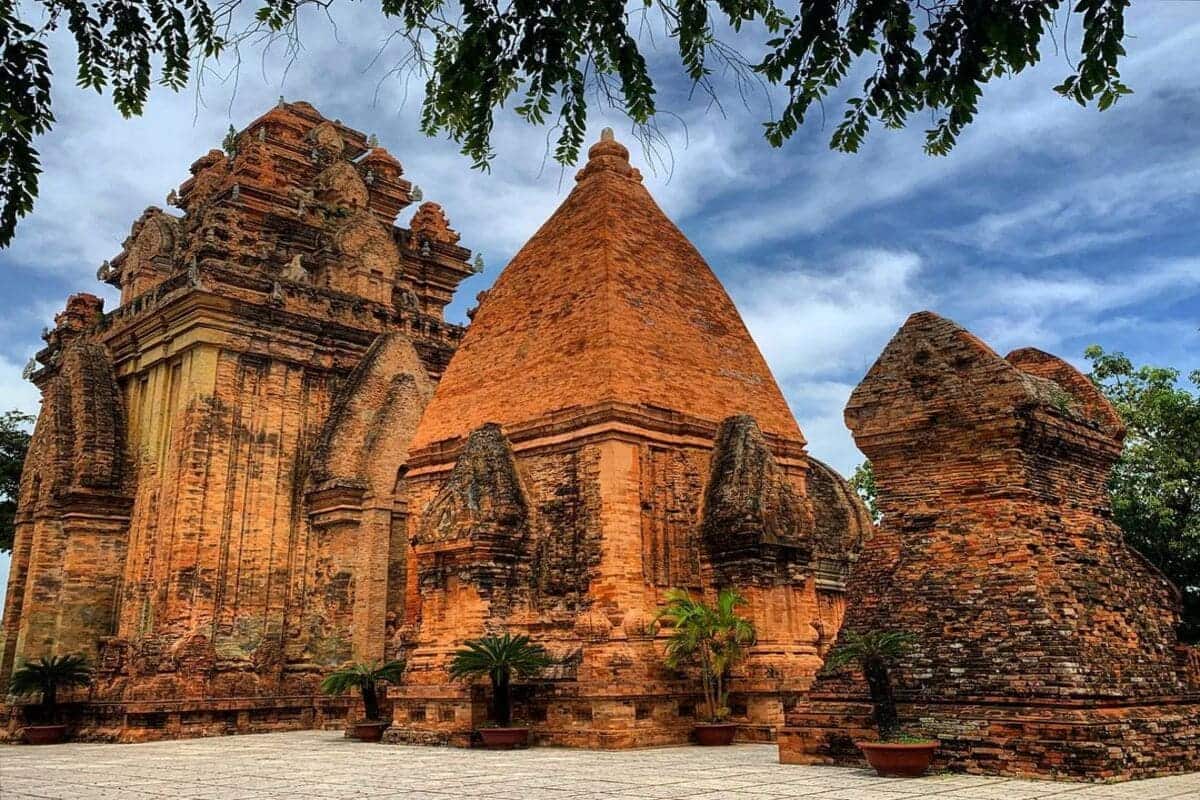
Nha Trang can introduce a different cultural perspective through the Po Nagar Cham Towers. Including a heritage visit alongside a suitable local meal gives the day a focus beyond the beach.
A guide can help you distinguish historical interpretation from current religious practice and explain how to behave respectfully at the site. Follow the site’s instructions for dress, photography and access rather than assuming that every area is open for the same purpose.
This is a destination idea, not confirmation of a particular cruise arrival arrangement. Check the vessel’s actual call, landing location and excursion access before planning the route. Once those details are established, the programme can be adapted to the time available.
Be a considerate guest during local encounters
People in markets, workshops and neighbourhoods are carrying out ordinary activities. A guided visit should work around those activities rather than turning every interaction into a performance.
Ask before photographing someone closely. Follow the guide’s advice when entering a workshop or religious space, and keep pathways clear. If a conversation develops, allow the other person to decide how much they want to share.
Choose participation that is genuinely arranged
If an excursion advertises a household meal or hands-on activity, ask how the host is involved and what has been confirmed. A pre-arranged visit with clear expectations can be enjoyable for both sides.
Avoid judging an experience by whether it looks sufficiently “traditional.” Local culture includes modern habits and changing businesses. Understanding those changes can be just as valuable as learning about an older craft.
Continue the cultural thread on a land journey
The strongest link between a shore excursion and a local tour is a shared interest. If you enjoy learning through food, plan more time for a market and cooking experience. If craftsmanship attracts you, look for a workshop with a clear teaching format. If a heritage visit raises questions, stay longer in that region.
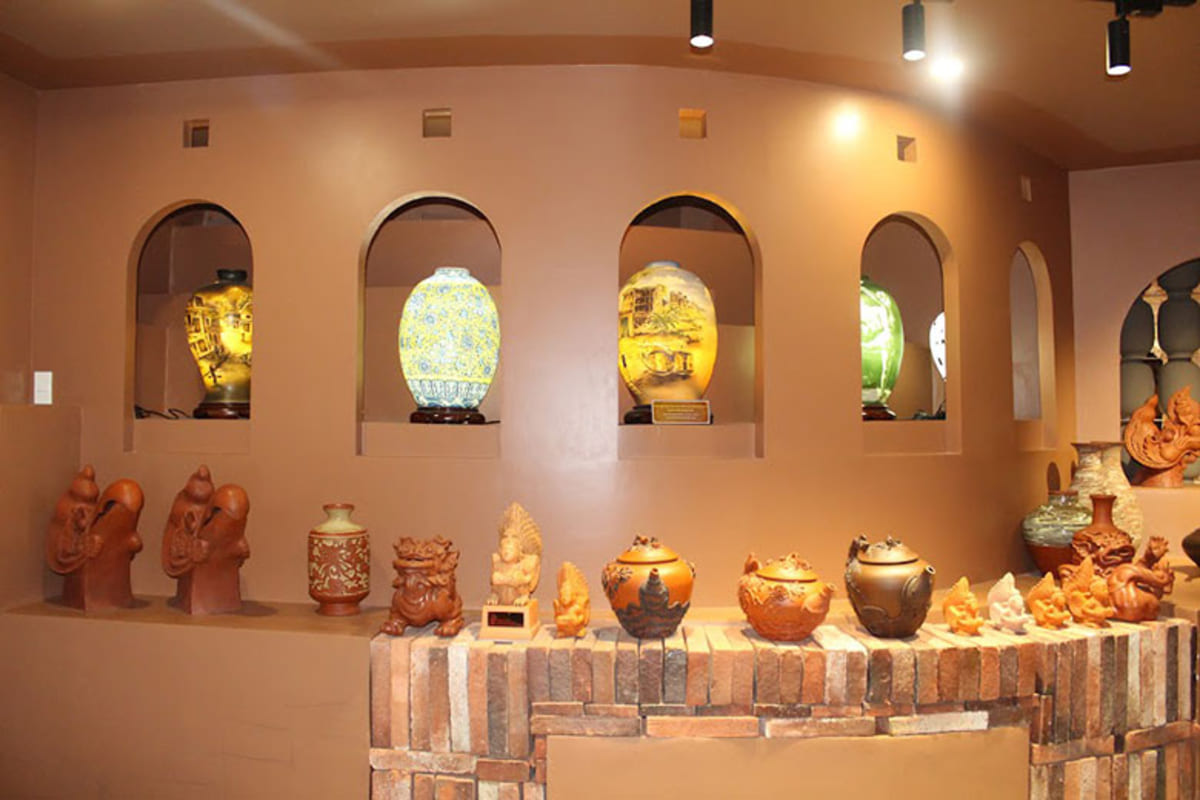
A northern land itinerary might include Hanoi’s neighbourhoods and a pottery-focused visit to Bat Trang. That is a separate travel programme, not an automatic addition to a Ha Long port day. In central Vietnam, several nights can allow you to explore Hoi An or Hue without compressing the experience around boarding time.
Keep the programme selective. Cultural depth comes from attention and conversation, so a longer stay does not need to become a longer checklist.
Bring home an understanding, as well as photographs
A meaningful cultural excursion leaves you with something you can explain: how a regional dish is eaten, why a town developed around trade, or what a craftsperson is doing with a particular material.
Choose one theme, leave time for questions and make the logistics fit the ship’s schedule. Vietnam’s local life can then become the centre of the day, and a natural reason to return for a journey with more time on the ground.


0 Comment