

Vietnam cruise ports introduce different landscapes and communities, but a destination label does not tell you everything about the day ahead. The arrival location, available time and transfer requirements all influence whether a bay trip, heritage walk or city excursion is the right choice.
When researching local experiences through vietnam-tour.biz, think of Vietnam as a collection of regional journeys rather than one standard tour. The same principle helps with cruise planning: choose an experience that makes sense for the particular port, and reserve more distant or time-consuming interests for a separate land visit.
This guide compares the character of several Vietnam calls and explains how to make each one contribute something different to your holiday. Confirm the actual berth or landing arrangement with your cruise line before using any destination idea as an excursion plan.
Compare experiences before comparing attraction counts
Start by asking what you want to remember from each call. It might be a landscape, a cultural story or a meal you understand better after speaking with a guide.
Then consider the amount of transfer and walking involved. A route with three stops close together can feel very different from one with three stops spread across a region. The excursion description should make that distinction clear.
If your cruise visits several Vietnamese destinations, vary the theme. A bay-focused day in the north, a heritage visit in the centre and a neighbourhood experience in the south can provide a broader introduction than repeated general sightseeing tours.
Ha Long: decide whether the bay is your main event
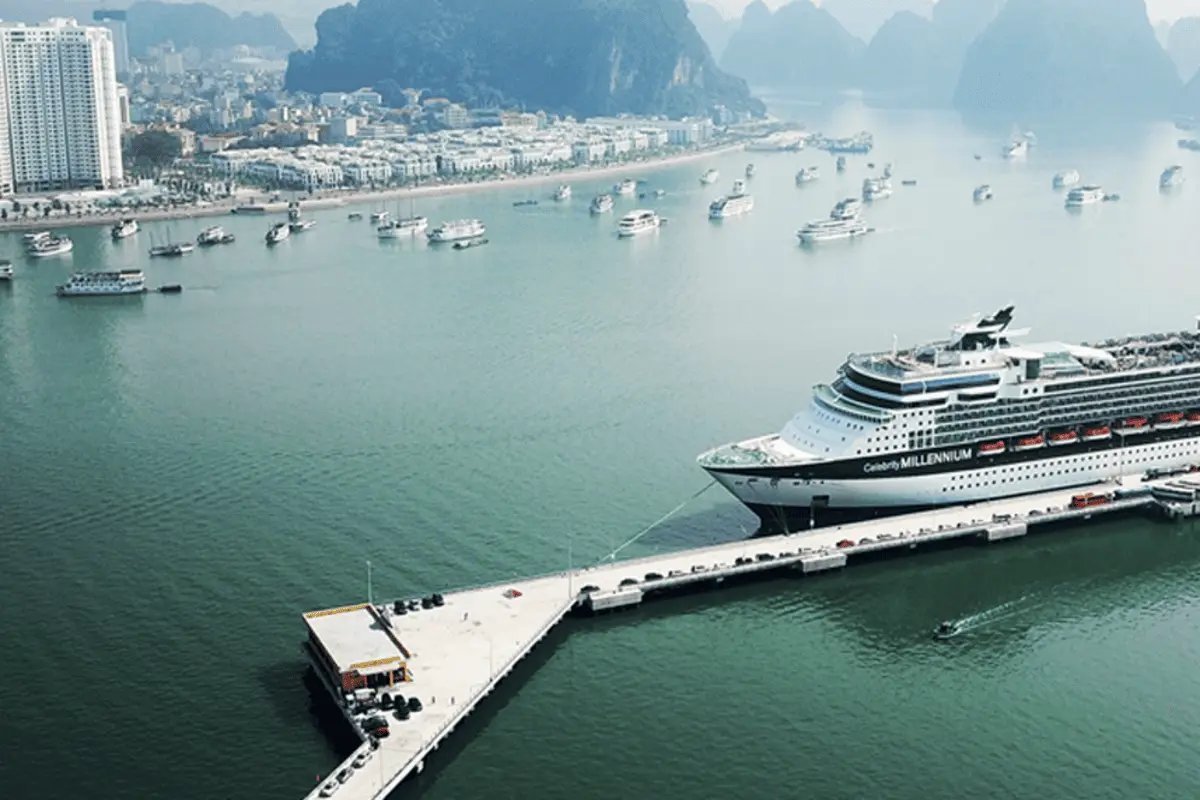
Ha Long’s limestone scenery gives this call a distinctive character. Ha Long International Cruise Port is located in the Bai Chay area, but you still need to confirm the arrival arrangements for your own vessel and the meeting point for any onward activity.
For many visitors, a local bay excursion provides the clearest focus. Compare the actual boat route, time on the water and the physical requirements of any included visits. Two trips described simply as “Ha Long Bay” can involve different activities.
Choose water-based sightseeing for the right reasons
This option may appeal if landscape is your priority and the proposed programme fits the port window. Ask whether cave visits, kayaking or other activities are included, optional or omitted. Do not assume that everyone in the group must participate in the same way.
If you prefer to remain on land, request a suitable local alternative. An inland journey to Hanoi needs a separate feasibility assessment. Travellers who want to explore the capital in depth may find a dedicated northern land stay a better way to include it.
Chan May: choose a coherent central Vietnam route
A Chan May call should be planned around the confirmed port schedule and the regional destination you most want to visit. Hue is one possible cultural focus, while other central Vietnam routes require their own assessment of transfers and available time.
Avoid choosing an itinerary merely because it lists several well-known places. Ask how long you will spend at the main destination and which stops depend on the day running exactly to plan.
Consider a focused Hue experience
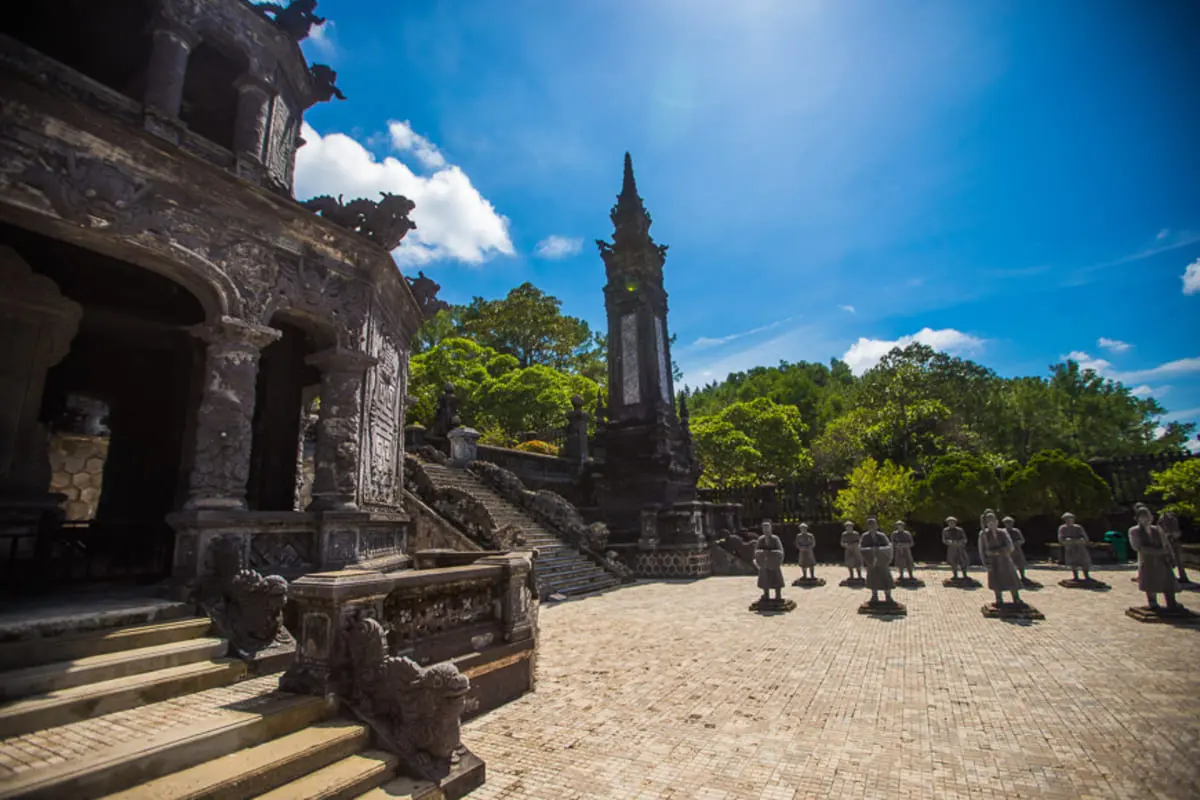
Hue’s imperial heritage can give the excursion a clear historical theme. A selected heritage visit with explanations and an appropriate lunch may provide a more engaging day than brief visits to numerous monuments.
Discuss stairs, walking and the sequence of activities with the planner. If the group wants time to understand one site properly, protect that time by keeping a secondary stop optional. A longer land stay in Hue can later develop the same interest through additional visits and regional food experiences.
Tien Sa and Da Nang: match the base to your interests
If your cruise confirms Tien Sa as its arrival port, compare a Da Nang-focused day with a route to Hoi An. These offer different experiences, and neither should be selected without looking at the actual transfer plan.
A city-based programme can suit travellers who want a varied introduction without making a historic town the entire focus. A Hoi An programme is a stronger choice when the former trading town and its heritage are your main interests.
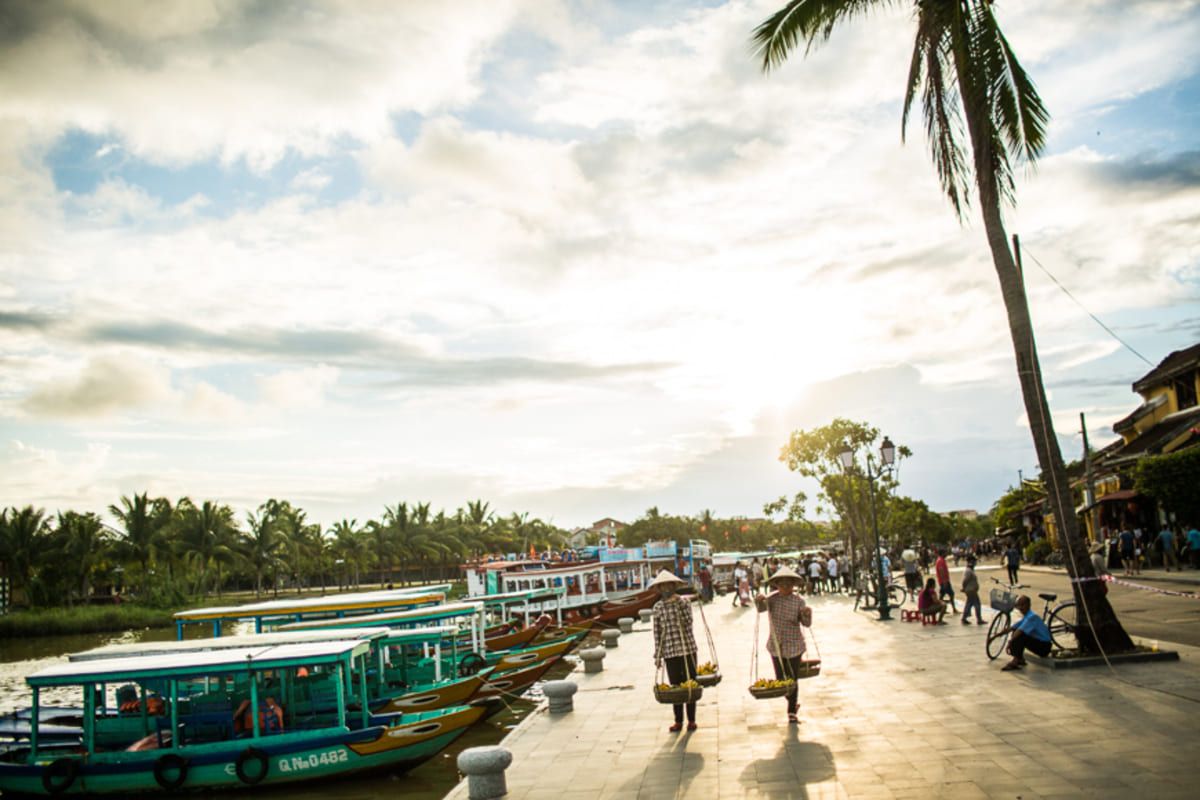
Choose Hoi An when you want a walkable cultural story
A guided town walk can connect architecture with trading history, followed by a meal or another small local experience. Ask how vehicle drop-off, walking and pickup work, especially for anyone who needs shorter distances or frequent rests.
Treat countryside activities, craft sessions and additional sightseeing as choices. Including them all may reduce the time available in the town itself. If you would like to see Hoi An after dark, first check whether the cruise schedule allows it; an evening experience may be better suited to an overnight land stay.
Phu My: decide whether the city journey is worthwhile
For a Phu My call marketed around Ho Chi Minh City, the road journey is a central part of the decision. Ask the operator to explain the transfer allowance and how the route responds to traffic or a delayed start.
Choose the city if its history, neighbourhoods or food are important enough to justify the travel involved. Once that decision is made, keep the sightseeing area focused rather than adding distant attractions across several directions.
Give a city excursion one main theme
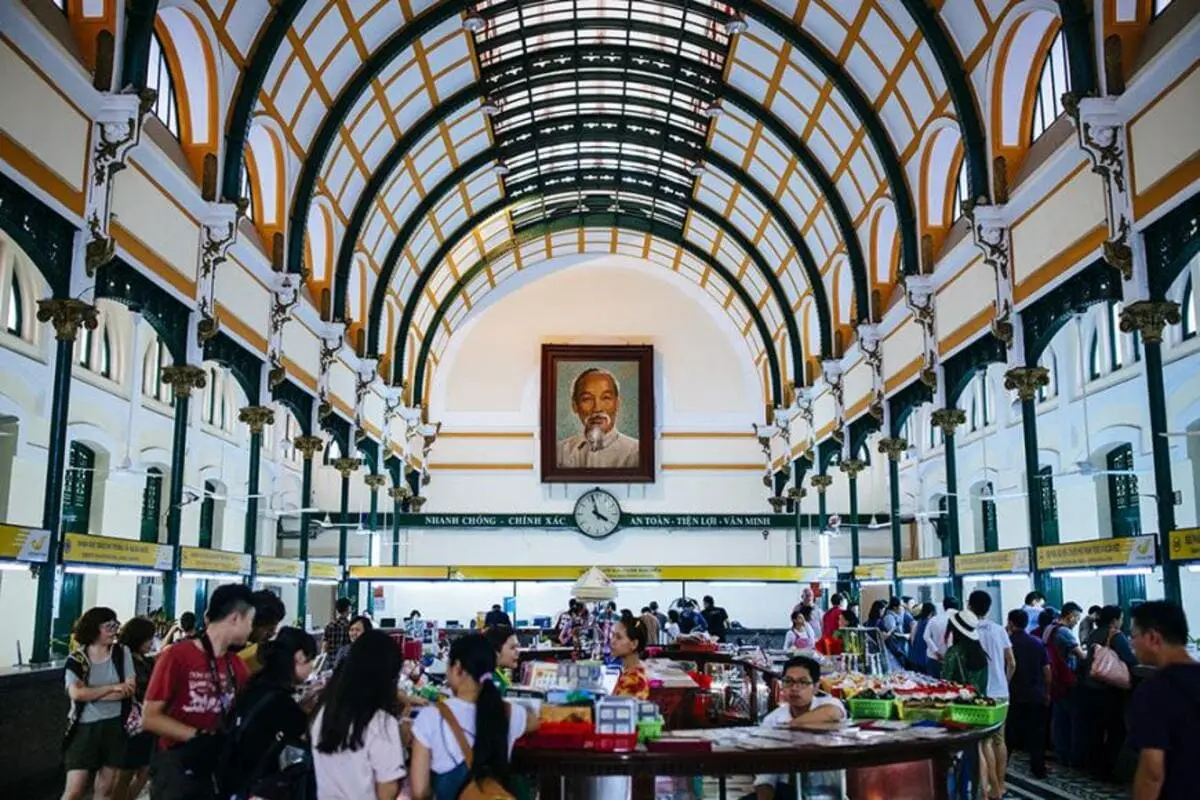
A first visit might concentrate on selected landmarks and a local lunch. Someone more interested in daily life might prefer a market and neighbourhood walk. Both can be worthwhile if the plan leaves enough time to experience them properly.
For travellers who prefer a coastal day, ask whether a Vung Tau-focused alternative is practical from the confirmed berth. It is a separate route choice, not automatically an extra stop after a city excursion. Similarly, reserve an extended Mekong Delta programme for a land itinerary with an appropriate time budget.
Nha Trang-area calls: verify the landing before choosing the day
Cruise listings associated with Nha Trang need particular attention to the confirmed call and landing arrangements. Establish where passengers will actually arrive, whether a tender is involved and which excursion access has been confirmed for the visit date.
Once those details are clear, compare a coastal relaxation theme with a cultural programme. Nha Trang offers heritage interests such as the Po Nagar Cham Towers, which can form part of a focused visit alongside a suitable meal or another local stop.
Avoid combining unrelated full-day experiences
A cultural route, a beach visit and a water-based activity each have their own timing and practical requirements. Select the one that matters most, then add a smaller complementary activity only if the schedule supports it.
Ask about weather alternatives for any programme that depends on the sea. The purpose is to have a useful second choice, rather than assume that every activity will operate under every condition.
Match the choice to your travel companions

The best port experience for a keen walker may be the wrong choice for someone who prefers seated sightseeing. Before booking, discuss the physical demands and what the group enjoys doing together.
For mixed interests, use one shared theme and a flexible secondary element. A heritage walk might include a comfortable café pause, while a food-focused visit could limit standing time. A private arrangement can help accommodate preferences, but only within a route that remains practical.
Ask for specifics when descriptions use terms such as “easy” or “leisurely.” Walking distance, stairs, vehicle access and time between rest opportunities are more helpful than a general label.
Turn the comparison into a future Vietnam journey
After several port calls, you may have a clearer idea of the region you would like to revisit. Keep a note of the experience that felt unfinished: more time in a historic town, a longer food walk or an opportunity to explore inland scenery.
That is a useful starting point for a local land tour. Instead of repeating every cruise stop, build a regional programme around the interest you discovered. Allow time for hotels, transfers and experiences that need an evening or an overnight stay.
Cruise planning and local tour planning share one important principle: the route should serve the experience. When you choose each port day for a clear reason, the calls become distinct chapters of the trip, and the places that deserve a longer visit become easier to recognise.


0 Comment