


Spain is a year-round destination that caters to every type of traveler. The best time to visit Spain is in late spring (April to May) or early autumn (September to October), when the climate is enjoyable and popular attractions are less crowded. However, the ideal time to visit Spain depends on your travel preferences, the regions you want to explore, and the kind of experiences you seek.
For those arriving by cruise, exploring our curated Spain shore excursions is a perfect way to experience the country’s highlights comfortably and efficiently. In this guide of Global Shore Excursions, we’ll break down Spain’s seasons, key festivals, regional weather patterns, and helpful travel tips to help you decide when to plan your ideal trip.
Overview about Best Time to Visit Spain
Spain is a year-round destination with a rich cultural calendar, diverse landscapes, and a wide range of activities to enjoy in every season. Whether you’re dreaming of sun-soaked beaches, vibrant festivals, or snow-capped mountains, there’s always a best time to visit Spain – a captivating country. Here’s a closer look at the best time to visit Spain depending on your travel preferences.
Spring (April to June) and Fall (September to October)
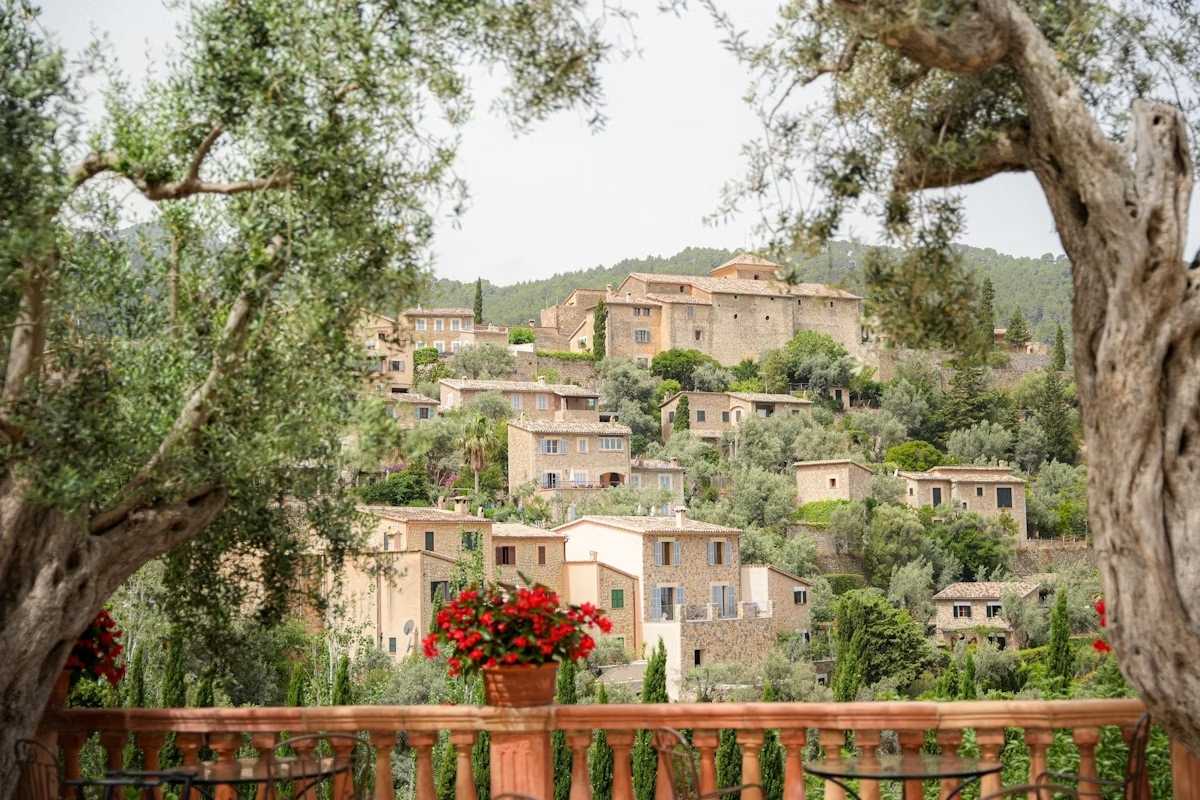
If you’re looking for mild weather, fewer crowds, and beautiful natural scenery, spring and fall are the best seasons to visit Spain. During these months, temperatures are pleasant, which is ideal for sightseeing in cities like Madrid, Barcelona, and Seville without the intense summer heat. Spring brings blooming landscapes, particularly in Andalusia and the countryside, while fall offers golden vineyards in La Rioja and harvest festivals throughout the country. Hotel prices are also generally more affordable outside the peak summer season.
Best Time for Beaches: Late May to Early September
Spain’s coastline from the Costa del Sol in the south to the Balearic Islands and the Costa Brava in the northeast truly comes alive in the summer. Late May to early September is the perfect window for beachgoers. Expect long, sunny days with temperatures reaching the high 20s to low 30s°C (80s–90s°F), perfect for swimming, sunbathing, and watersports. For a more laid-back vibe, head to coastal towns like Cádiz or Menorca, while Ibiza and Marbella are hotspots for lively beach parties and nightlife.
Best Time for Festivals: February to August

Spain is famous for its colorful and energetic festivals, many of which are rooted in centuries-old traditions.
-
February: Experience the vibrant Carnival celebrations, especially in Cádiz and Tenerife, where parades, costumes, and music fill the streets.
-
March: Head to Valencia for Las Fallas, a spectacular event with giant papier-mâché figures, fireworks, and nightly bonfires.
-
April: Holy Week (Semana Santa) is one of Spain’s most solemn yet visually stunning events, particularly in Seville, Málaga, and Valladolid.
-
July: The adrenaline-filled San Fermín festival in Pamplona, famous for the Running of the Bulls, attracts thrill-seekers and spectators from around the world.
-
August: Wrap up the summer with La Tomatina in Buñol, where thousands participate in the world’s biggest tomato fight.
Best Time for Skiing: December to February
Spain may be better known for its sun than snow, but its ski resorts in the Pyrenees and Sierra Nevada mountains offer excellent winter sports conditions. From December to February, these regions transform into snowy playgrounds ideal for skiing, snowboarding, and après-ski relaxation. The Sierra Nevada, near Granada, is one of Europe’s southernmost ski resorts and allows the rare opportunity to ski in the morning and explore historic Andalusian cities in the afternoon.
Spain’s Climate and Seasons
Thanks to its diverse geography, Spain experiences a wide range of climates from Mediterranean breezes along the coast to continental heat inland and snowy alpine winters in the Pyrenees. This variety allows travelers to enjoy unique experiences year-round, depending on their preferences. Understanding Spain’s seasonal patterns will help you determine the best time to visit Spain for your ideal getaway.
Spring (March to May)
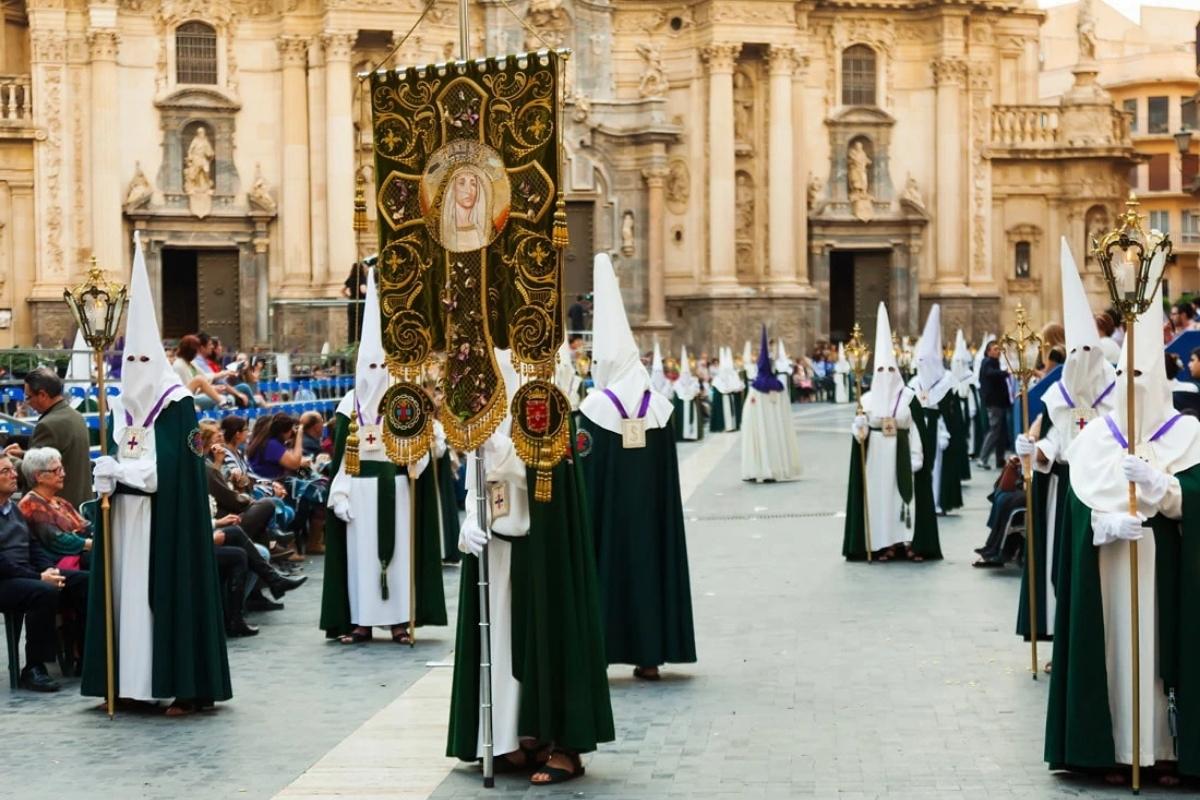
Spring is widely considered one of the best times to visit Spain. As the country awakens from winter, the weather becomes pleasantly mild, and vibrant blooms fill the parks, gardens, and countryside. Cities like Seville, Granada, and Córdoba are especially stunning during this time, offering rich cultural experiences without the overwhelming crowds of summer.
-
Average temperatures range from 15°C to 22°C (59°F to 72°F), perfect for sightseeing and walking tours
-
Key events include Semana Santa (Holy Week) and Feria de Abril in Seville, two of Spain’s most iconic cultural festivals
-
A fantastic season for nature lovers and photographers, especially in Andalusia and the olive grove regions
-
Spring’s combination of colorful landscapes and comfortable weather makes it a top contender for the best time to visit Spain
Summer (June to August)
Summer in Spain is vibrant, energetic, and full of life, especially along its world-famous coastlines. However, inland cities such as Madrid, Toledo, and Seville can experience extreme heat, sometimes reaching up to 40°C (104°F). In contrast, coastal cities and islands like Barcelona, Valencia, Ibiza, and San Sebastián enjoy milder sea breezes and temperatures between 25°C and 30°C (77°F to 86°F).
-
Ideal for beach vacations, coastal exploration, and island hopping
-
Spain’s summer nightlife scene thrives, with rooftop bars, beach clubs, and open-air festivals
-
Must-see events include San Fermín (Running of the Bulls) in Pamplona and La Tomatina in Buñol
-
Long daylight hours make it easy to fit in both daytime adventures and late-night tapas crawls
For sunseekers and partygoers, summer might just be the best time to visit Spain. To make the most of a summer visit, our Ibiza shore excursions combine scenic beauty with high-energy experiences, perfect for cruise passengers looking to explore beyond the port.
Fall (September to November)

Fall is one of the most underrated yet rewarding times to explore Spain. The intense summer heat starts to ease, the summer crowds begin to thin, and a more relaxed, authentic rhythm returns to cities and rural regions alike. If you’re looking for a quieter, more immersive experience, this could be the best time to visit Spain.
-
Temperatures cool to a pleasant range, perfect for city tours and outdoor activities
-
Wine harvest festivals come alive in regions like La Rioja, Ribera del Duero, and Catalonia, offering tasting tours and vineyard celebrations
-
Fall foliage in northern Spain and the Picos de Europa mountains offers beautiful hiking and photography opportunities
-
Ideal for cultural excursions, food and wine tourism, and off-the-beaten-path adventures
Cities such as Bilbao, Salamanca, and Valencia are especially enjoyable in the fall — still lively, but without the summer rush. If you’re after culture, cuisine, and calm, fall might be your personal best time to visit Spain.
Winter (December to February)
Winter in Spain brings a surprising range of climates. While northern and inland regions can get chilly and occasionally snowy, the southern coast, Andalusia, and the Canary Islands remain mild and sunny. For snow lovers, Spain also offers excellent skiing in the Pyrenees and Sierra Nevada.
-
Best season for skiing and snowboarding, especially in mountain resorts like Baqueira-Beret and Sierra Nevada
-
Cities like Málaga, Alicante, and Seville are ideal for winter sun escapes, with daytime highs of 16–20°C (60–68°F)
-
Christmas markets, New Year’s Eve celebrations, and Three Kings Day parades add a festive charm
-
A great time for budget-conscious travelers, as airfare and accommodation prices are generally lower in the off-season
If you’re looking to combine festive traditions with fewer tourists, or perhaps chase the sun while Europe is blanketed in , winter msnoway just be the best time to visit Spain for you.
Major Festivals and Events by Month in Spain
Spain is a land of celebration, where centuries-old traditions meet vibrant, modern expressions of joy. Each month brings a new reason to join locals in the streets. For many travelers to this country, timing a visit around these cultural events is the best way to experience the heart and soul of Spain. In fact, attending one of these iconic festivals can help you decide the best time to visit Spain based on your interests.
Winter Celebrations (January – February)
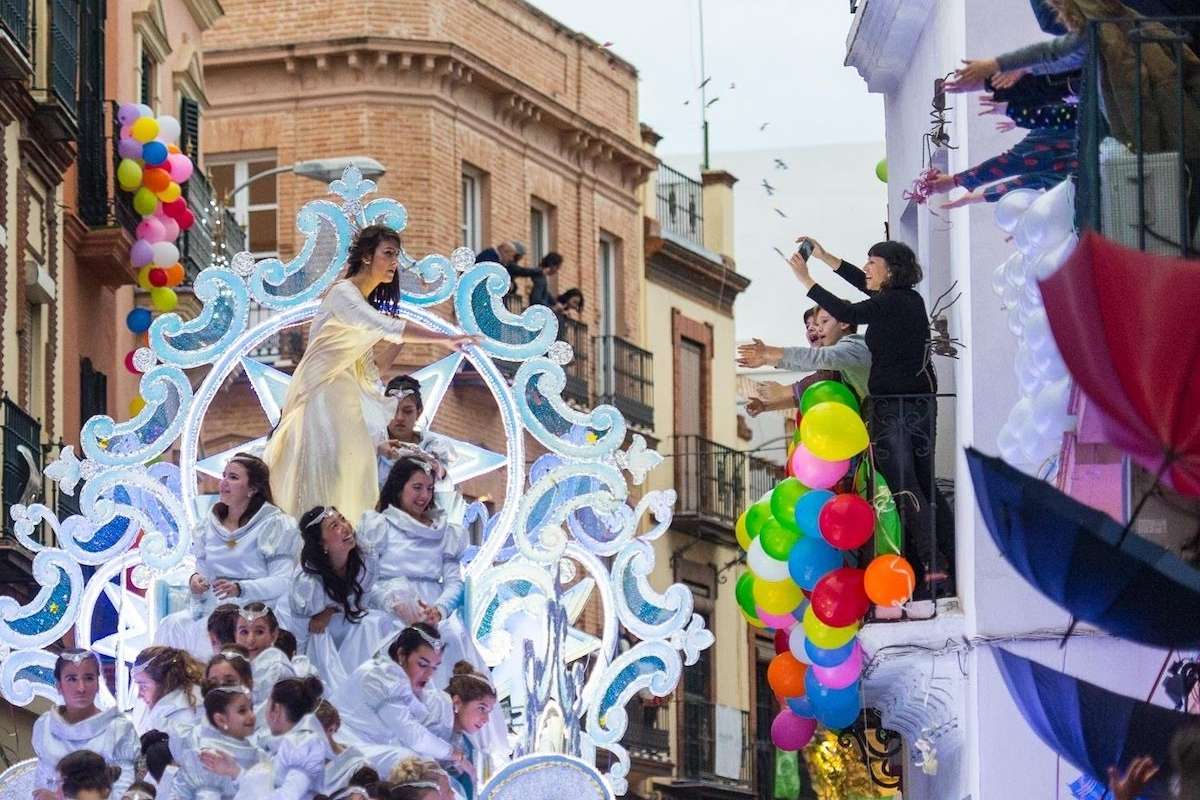
While winter is generally quieter in terms of tourism, it’s still a wonderful time to witness Spanish traditions, especially with family-centered and community-oriented events.
-
January – Three Kings’ Day (Epiphany): Celebrated on January 6, this beloved holiday marks the arrival of the Three Wise Men. Across Spain, cities host vibrant parades known as “Cabalgatas,” where the Kings throw sweets to children. It’s a magical time, particularly in Madrid and Barcelona, making January a charming time to visit.
-
February – Carnival: Before Lent, Spain explodes in color and music with Carnival, especially in Cádiz and Santa Cruz de Tenerife. Elaborate costumes, parades, and street parties take over the cities. If you enjoy festive crowds and theatrical performances, February might just be the best time to visit Spain for cultural immersion.
Spring Festivals (March – May)
Spring is a festive season throughout Spain, with several of the country’s most iconic celebrations taking place under sunny skies and blooming landscapes — one reason why spring is often considered the best time to visit Spain.
-
March – Las Fallas (Valencia): This fiery festival is one of Spain’s most spectacular. Enormous papier-mâché figures are paraded through the streets before being set ablaze. The city of Valencia hosts a week of fireworks, traditional dress, and music, drawing crowds from all over the world.
-
April – Semana Santa (Holy Week): Held in the week leading up to Easter, Semana Santa is deeply religious and highly visual. Cities like Seville, Málaga, and Valladolid feature processions with penitents in robes, candle-lit floats, and solemn music. A powerful experience, this event adds spiritual depth to any spring itinerary.
-
May – Patios Festival (Córdoba): In May, private homes in Córdoba open their stunning flower-filled courtyards to the public. Recognized by UNESCO, the Patios Festival showcases Andalusian design, community pride, and horticultural beauty. For lovers of architecture and local culture, May can be the best time to visit Spain.
Summer Highlights (June – August)
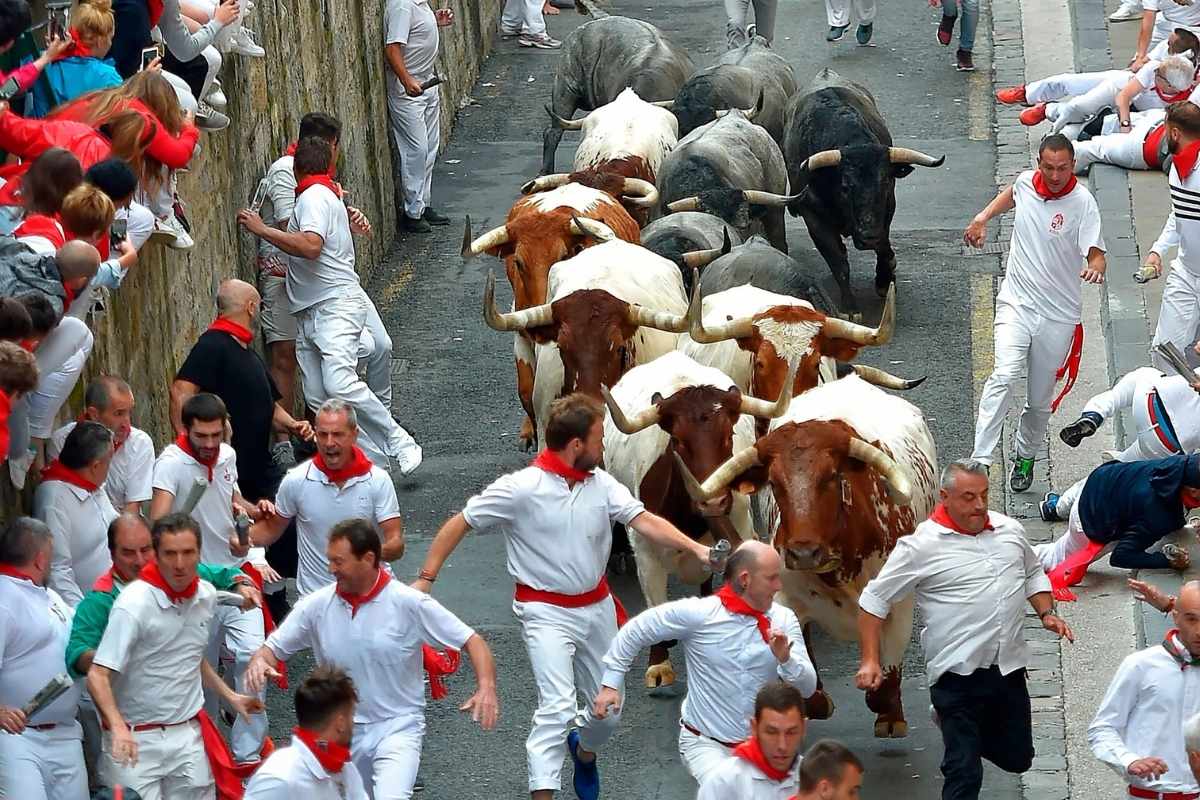
Summer is peak festival season in Spain, filled with vibrant, high-energy events that reflect the country’s flair for fun and passion for tradition. If you enjoy crowds, music, and celebration, summer might be the best time to visit Spain for you.
-
June – Haro Wine Battle (La Rioja): In this wonderfully quirky celebration, locals and visitors gather in Haro to throw red wine at each other. It’s messy, joyful, and thoroughly Spanish.
-
July – San Fermín (Pamplona): Perhaps Spain’s most famous festival, San Fermín includes the thrilling Running of the Bulls, daily parades, and non-stop festivities. Held in Pamplona, this week-long event is not for the faint of heart but is undeniably iconic.
-
August – La Tomatina (Buñol): Another of Spain’s most unusual celebrations, La Tomatina sees thousands of participants engage in a massive tomato fight in Buñol. If you’re looking for something out of the ordinary, August could be your personal best time to visit Spain.
Fall Festivities (September – October)
As summer fades, Spain continues to dazzle with events that are more regional and often less tourist-heavy. This time is perfect for those who want to experience local life more authentically.
-
September – Fiesta de la Mercè (Barcelona): Barcelona’s biggest festival, La Mercè, honors the city’s patron saint. It includes concerts, fire runs, fireworks, parades, and castells — human towers that are both thrilling and deeply rooted in Catalan identity.
-
October – Pilar Festival (Zaragoza): Held in honor of the Virgin of the Pillar, this week-long celebration includes religious processions, traditional music, and folk dances. It’s an excellent time to explore Zaragoza and experience Aragonese culture.
Holiday Season Magic (December)
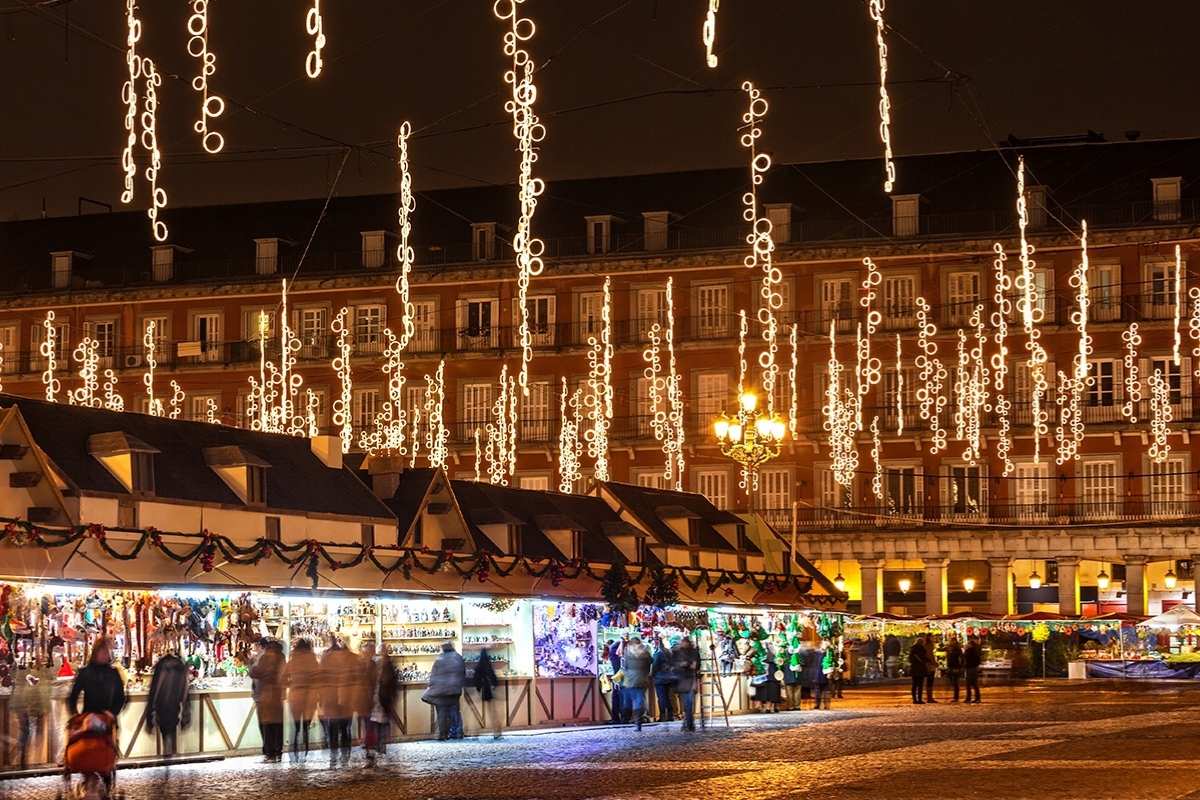
As the year winds down, Spain lights up with festive cheer, and traditions both sacred and secular come to life in every corner of the country.
-
December – Christmas and New Year: Christmas in Spain is more than just December 25th. Markets, nativity scenes (belénes), and local specialties like turrón fill towns with warmth. On New Year’s Eve, locals eat twelve grapes at midnight, one for each chime of the clock, to ensure good luck for the year ahead.
If you’re enchanted by Christmas lights, holiday food, and winter sunshine in southern Spain or the Canary Islands, December might be the best time to visit Spain for a magical escape.
Spain Regional Weather Guide
Spain’s rich geographical diversity brings a wide range of climates across its regions. Understanding the regional weather patterns can help you choose the best time to visit Spain based on the destinations and experiences you’re planning. Here’s a detailed look at the climate in key areas across the country:
Northern Spain (Basque Country, Galicia, Asturias)
Northern Spain has an oceanic climate, heavily influenced by the Atlantic Ocean. This region is known for its cooler temperatures, misty mornings, and frequent rainfall, which, in turn, nurture the lush green landscapes it’s famous for. If you’re docking in the northwest, our Ferrol shore excursions provide an excellent introduction to Galicia’s rich maritime heritage and natural beauty.
-
Best time to visit Spain’s northern region: June to September, when the weather is at its sunniest and warmest
-
Average temperatures range from 20°C to 25°C (68°F to 77°F) during summer months
-
Ideal for scenic coastal walks, exploring charming fishing villages, and indulging in food tourism, especially in San Sebastián, renowned for its Michelin-starred cuisine
-
Fall and spring can be romantic and misty, though travelers should be prepared for some rain
If you’re a nature lover or food enthusiast, summer is likely the best time to visit Spain’s green north for a comfortable and enriching experience.
Central Spain (Madrid, Castilla-La Mancha, Extremadura)
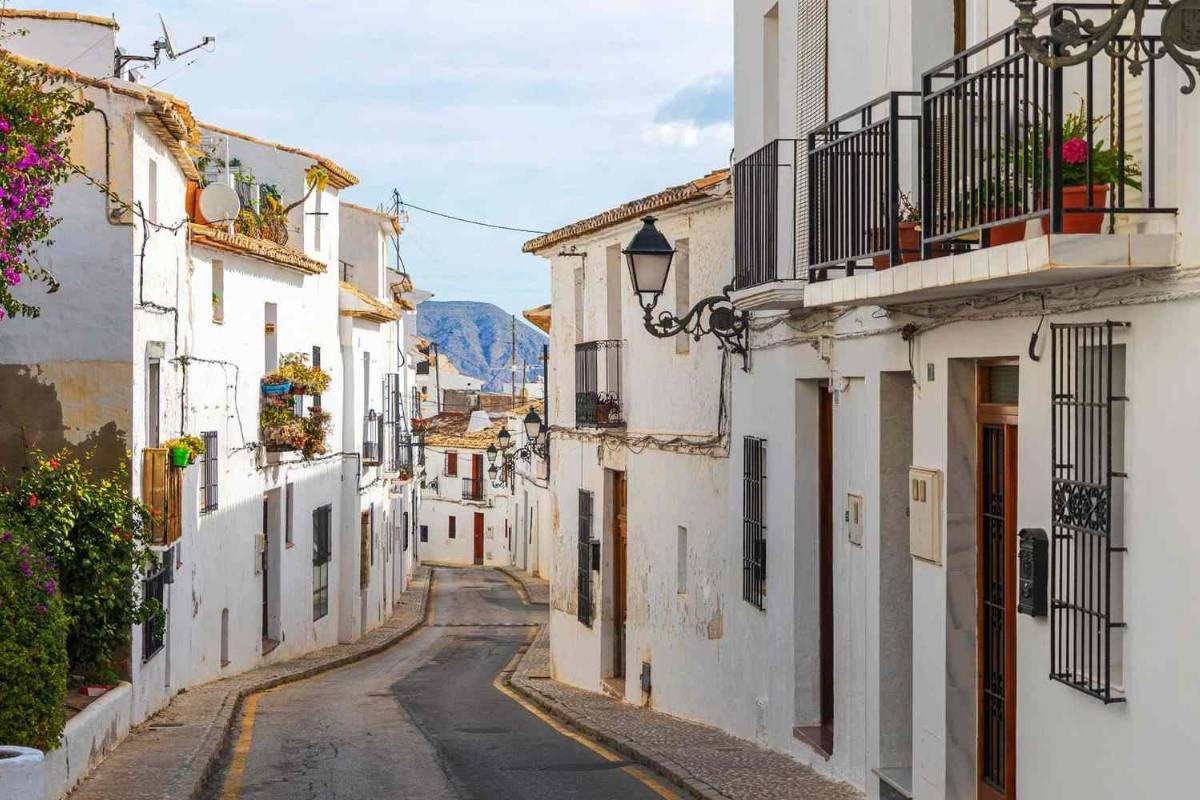
Spain’s interior experiences a continental climate, meaning dramatic seasonal temperature swings, scorching summers and cold winters. The cities and towns here are rich in history, architecture, and culture, offering deep insight into the heart of Spanish heritage.
-
Best time to visit: April to June and September to October, when temperatures are more manageable
-
Summer temperatures in Madrid can soar past 38°C (100°F), making midday sightseeing uncomfortable
-
Spring and fall are ideal for exploring UNESCO-listed towns like Toledo, Ávila, and Cuenca, or visiting world-class art museums in Madrid without the heat or crowds
-
Winter brings clear skies and crisp air
If you’re docking nearby, our Valencia shore excursions offer the perfect balance of historical sights and Mediterranean charm in spring and autumn.
Southern Spain (Andalusia: Seville, Granada, Córdoba, Málaga)
Southern Spain is known for its Mediterranean climate, characterized by extremely hot summers and mild, sunny winters. The region boasts some of Spain’s most iconic architecture and flamenco heritage.
-
Best time to visit: March to May and October to November, when temperatures are mild and ideal for outdoor exploration
-
Summer can be intense, especially in Seville and Córdoba, where highs often reach 40°C (104°F) or more
-
Spring brings the region’s most celebrated festivals like Semana Santa and Feria de Abril
-
Autumn offers golden light over landmarks like the Alhambra and fewer tourists compared to summer
If Moorish palaces, whitewashed villages, and flamenco performances are on your list, then shoulder seasons are the best time to visit southern Spain for both comfort and cultural depth. If Moorish palaces and coastal cities are on your list, consider a fall cruise stop with immersive tours like our Alicante shore excursions, perfect for exploring the city’s castle, waterfront, and old town in pleasant weather.
Eastern Spain (Catalonia, Valencia Region, Costa Blanca)
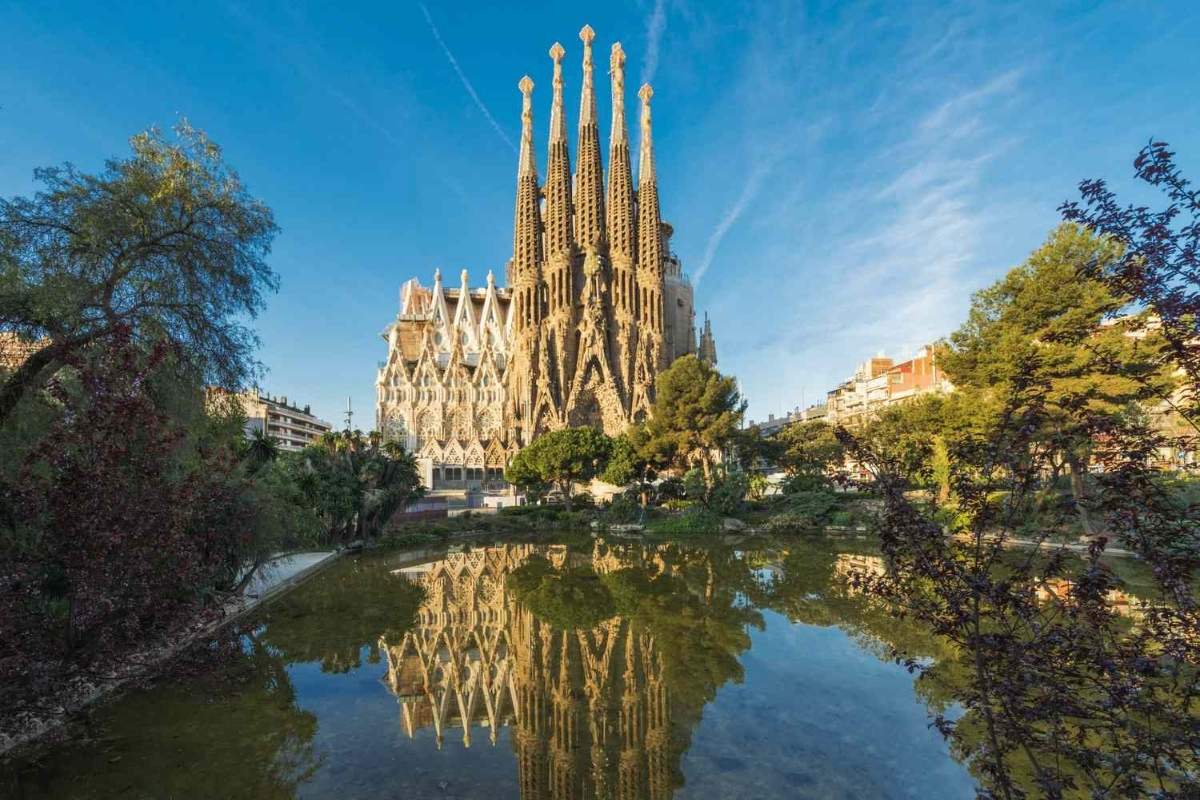
Eastern Spain enjoys a Mediterranean coastal climate with warm summers, mild winters, and plenty of sunshine. The influence of the sea keeps summer heat bearable and adds a fresh breeze to city life.
-
Best time to visit: April to June and September to October, especially for a mix of beach days and cultural activities
-
Summer is also popular, particularly in Barcelona and along the Costa Brava, though tourist numbers peak
-
This region is perfect for enjoying modernist architecture, especially Gaudí’s works in Barcelona, vibrant city life, and seaside getaways in Valencia, Alicante, and Sitges
-
Spring and fall offer milder temperatures and are often regarded as the best time to visit this part of Spain for relaxed exploration
For art lovers, foodies, and beachgoers alike, eastern Spain is a versatile destination where almost any time can be the best time to visit Spain, depending on your pace and style.
Canary Islands (Tenerife, Gran Canaria, Lanzarote, Fuerteventura)
Located off the northwest coast of Africa, the Canary Islands have a subtropical climate, meaning warm temperatures year-round. This archipelago is ideal for travelers seeking sunshine during Europe’s colder months.
-
Best time to visit: Any time of the year, temperatures typically range from 18°C to 25°C (64°F to 77°F) even in winter
-
Winter months are perfect for sunbathing, making the islands a favorite among European travelers escaping the cold
-
Activities include hiking volcanoes, relaxing on black-sand beaches, snorkeling, and exploring unique lunar landscapes
-
Spring and fall are quieter with fewer crowds, making these seasons arguably the best time to visit Spain’s Canary Islands for a peaceful getaway
If you’re dreaming of sunshine in January or swimming in the ocean in November, the Canary Islands offer an unbeatable reason to say it’s always the best time to visit Spain, at least here.
Final Thoughts
Spain is a destination that never disappoints, no matter the season. Whether you’re looking for sun and sea, cultural exploration, festive vibes, or culinary delights, there’s a perfect time to match your travel desires. By understanding Spain’s seasonal patterns and aligning your trip with your interests, you’ll be well-prepared to make the most of your journey. Wherever and whenever you go, Spain’s charm, history, and hospitality are sure to leave a lasting impression.


0 Comment