

Italy, with its timeless charm, historical wonders, and mouthwatering cuisine, is a top destination year-round. But knowing the best time to visit Italy can significantly enhance your experience, depending on whether you’re chasing summer sun, fewer crowds, or cultural festivals.
This comprehensive guide from Global Shore Excursions breaks down the best times to travel to Italy by season, highlights major festivals and events, and offers weather tips to help you plan your dream Italian getaway. By the end, you’ll know not only when Italy is at its most beautiful but also the cheapest time to go to Italy if you’re traveling on a budget.
Quick Answer: What is the Best Time to Visit Italy?
The truth is, the ideal time to visit Italy depends on what kind of experience you want. Choosing the best time to visit Italy often comes down to weather, budget, and the type of experience you’re looking for. Here’s a clear overview of what each season offers:
- Spring (March – May): Mild weather, blooming landscapes, fewer crowds compared to summer. Great for sightseeing and cultural trips.
- Summer (June – August): Sunny days, lively festivals, and beach holidays. Popular but crowded and expensive.
- Fall (September – November): Pleasant temperatures, grape harvests, wine festivals, and stunning autumn scenery.
- Winter (December – February): Quiet cities, lower prices, and ski season in the Alps. Cold but atmospheric, especially during Christmas and Carnival.
Best Time to Travel to Italy Breakdown
Deciding on the best time to visit Italy can feel overwhelming because every season offers something unique. This breakdown will guide you through what to expect in every season, helping you choose the ideal time to visit Italy based on weather, crowds, and your personal travel style.
Spring in Italy: A Perfect Time for Sightseeing
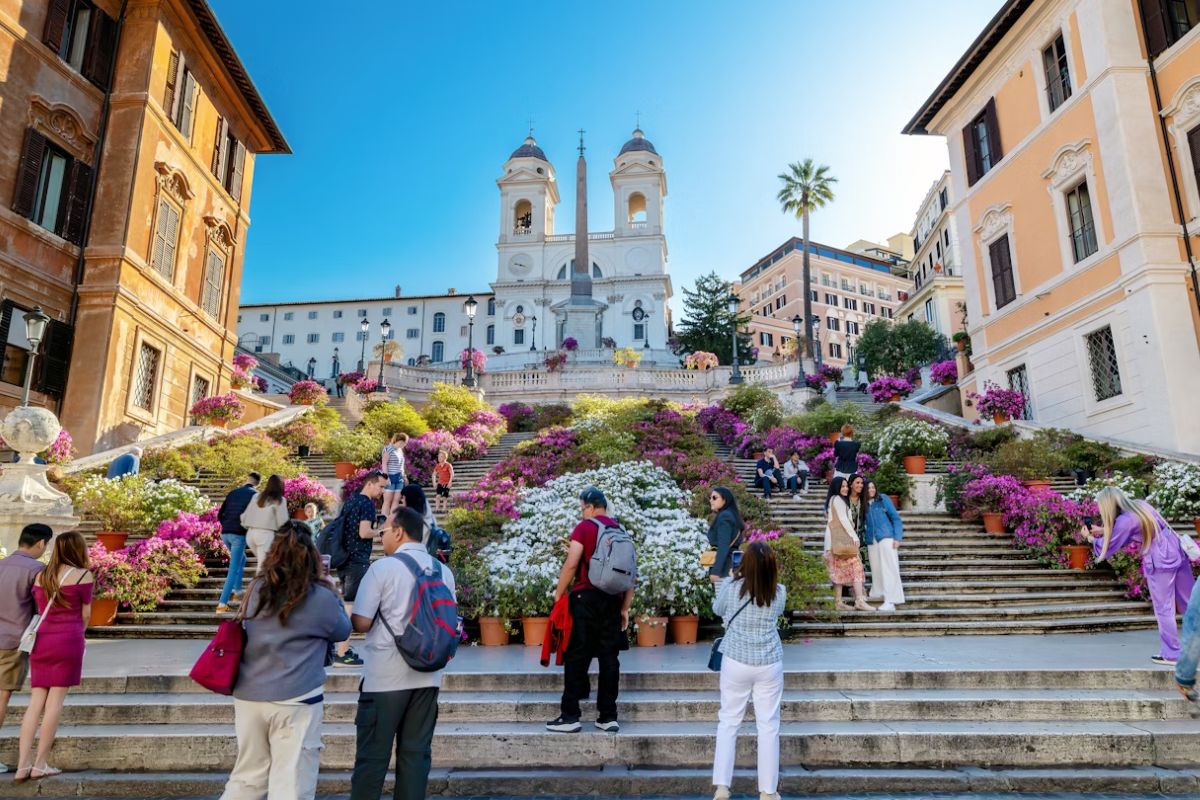
Spring is often seen as the best time to visit Italy, especially for travelers who enjoy culture, history, and beautiful landscapes. As the country shakes off the winter chill, flowers bloom, days grow longer, and cities come alive with outdoor events and celebrations. Whether it’s strolling through Rome’s piazzas, exploring Tuscan vineyards, or experiencing Easter traditions, spring feels fresh and vibrant.
- Weather: Temperatures are comfortable, with warm days and cool evenings. Cities like Rome, Florence, and Venice are ideal for walking tours.
- Crowds: Tourist numbers rise in late April, but it’s still manageable compared to summer.
Highlights:
- Easter celebrations in Rome and across the country.
- Flower festivals, including the Infiorata in towns like Spello.
- Tuscan countryside in full bloom, perfect for photography and vineyard tours.
Spring delivers a perfect balance of weather, atmosphere, and cultural events, making it a top choice for first-time visitors. With lighter crowds and unforgettable scenery, it’s no wonder many consider spring the best time to see Italy.
Summer in Italy: Beaches, Festivals & High Energy
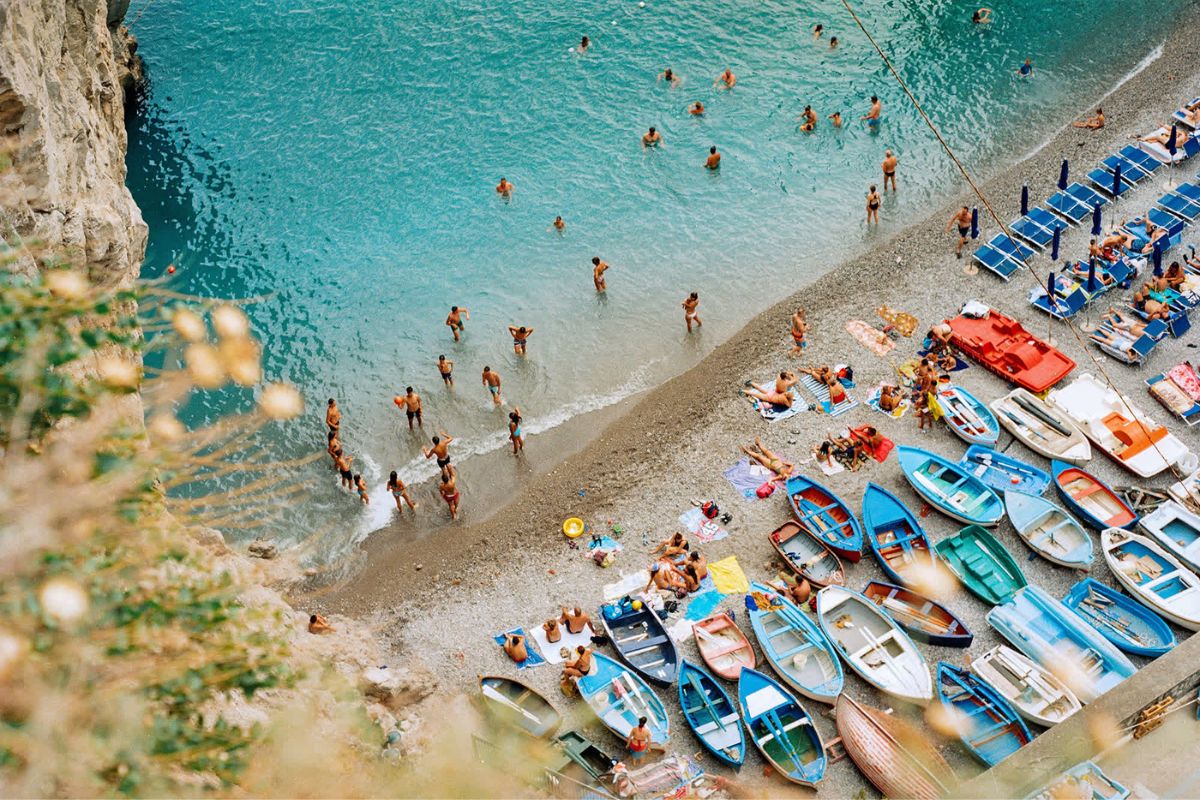
Summer is the season when Italy shines with unmatched energy. The long, sun-drenched days are perfect for seaside escapes, while evenings are filled with festivals, concerts, and buzzing nightlife. If you’ve been dreaming of sandy beaches, vibrant piazzas, and the thrill of world-famous events, summer is the best time to visit Italy.
- Weather: Expect hot, sunny days, especially in July and August. Cities can feel sweltering, while coastal regions are breezy and inviting.
- Crowds: Summer is peak tourist season. Popular attractions like the Colosseum or Uffizi Gallery can be packed.
Highlights:
- Beach holidays on the Amalfi Coast, Sardinia, and Sicily.
- World-famous festivals such as Siena’s Palio horse race and Umbria Jazz Festival.
- Lively outdoor concerts and evening piazza gatherings.
Summer in Italy is unforgettable if you love excitement, lively atmospheres, and stunning coastlines. While it can be crowded and pricey, the energy of festivals and the beauty of Mediterranean beaches make it worth the trip for many travelers.
Fall in Italy: Food, Wine & Stunning Landscapes
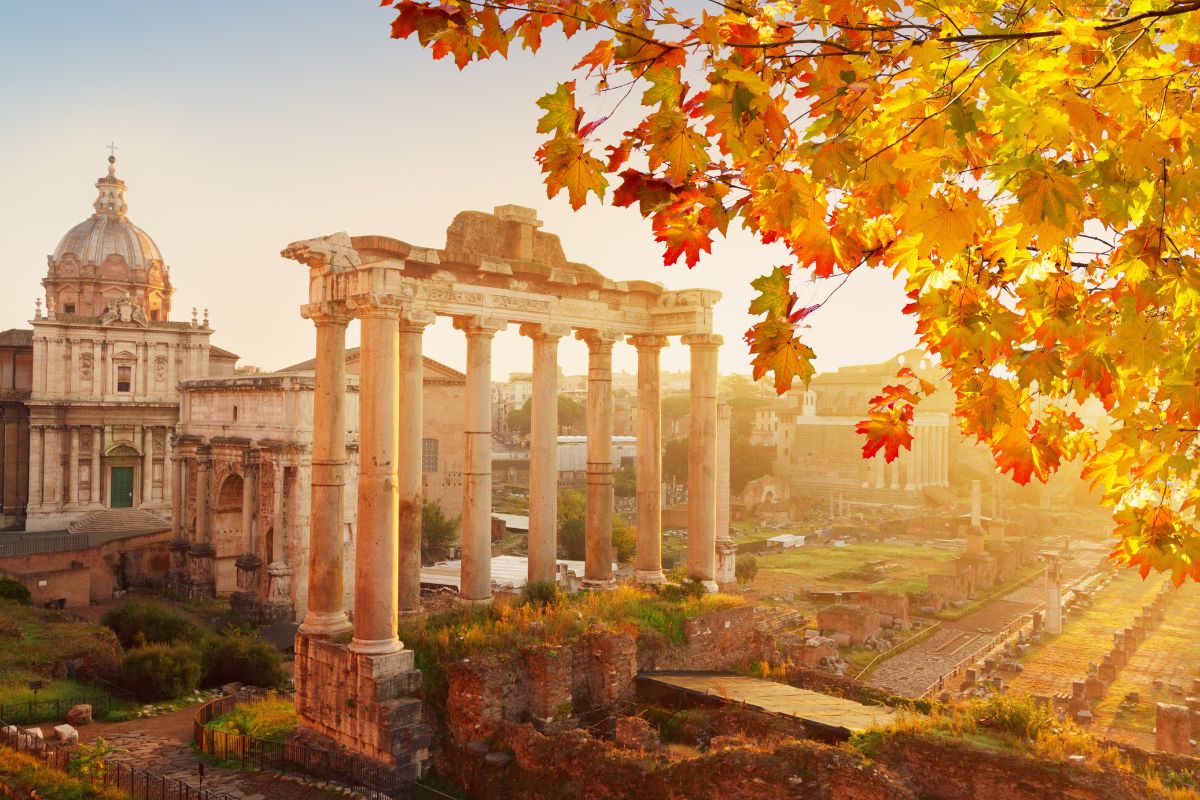
Autumn is a season of flavor, color, and charm in Italy. With vineyards buzzing during the grape harvest and countryside hills painted in golden tones, it’s a feast for the senses. This is also the best time to visit Italy if you want a slower pace while still enjoying fantastic weather and rich cultural experiences.
Highlights:
- Wine harvest festivals and tastings.
- Olive oil season in October and November.
- Venice International Film Festival (early September).
- Golden autumn colors in Tuscany’s countryside.
For food lovers and those seeking authenticity, fall is the best time to visit Italy. Between the seasonal cuisine, world-class wine, and relaxed atmosphere, it offers a travel experience that feels both intimate and unforgettable.
Winter in Italy: Quiet Cities & Alpine Adventures
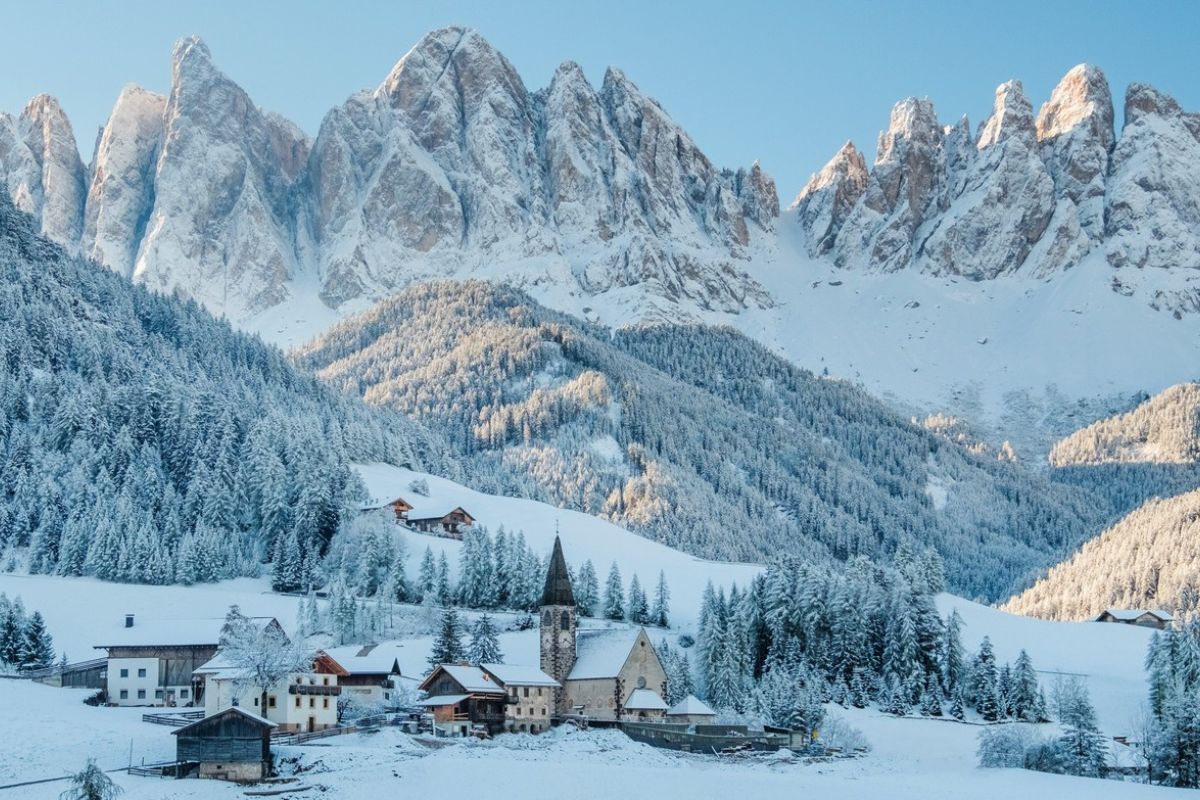
Winter transforms Italy into a land of contrasts. In the north, the Alps and Dolomites turn into snowy playgrounds for skiing and snowboarding, while in the cities, twinkling lights and festive markets create a magical holiday atmosphere. For budget-conscious travelers, winter is also the cheapest time to go to Italy, with excellent deals on flights and hotels.
Highlights:
- Christmas markets in Florence, Rome, and Milan.
- The Venice Carnival in February, one of the world’s most iconic events.
- Skiing in the Dolomites and Italian Alps.
Winter is perfect if you prefer cultural trips without the rush of crowds or if you’re eager for alpine adventures. Between festive traditions and cost savings, it’s a rewarding choice for travelers who want to see a different side of Italy.
Choosing the Best Time to Visit Italy by Travel Style
Not every traveler visits Italy for the same reason. Some come to admire ancient ruins and Renaissance masterpieces, others dream of Mediterranean beaches, while food and wine enthusiasts chase authentic culinary experiences. To help you find your ideal time to visit Italy, here’s a detailed breakdown of the best seasons for different travel styles.
For Sightseeing and Culture
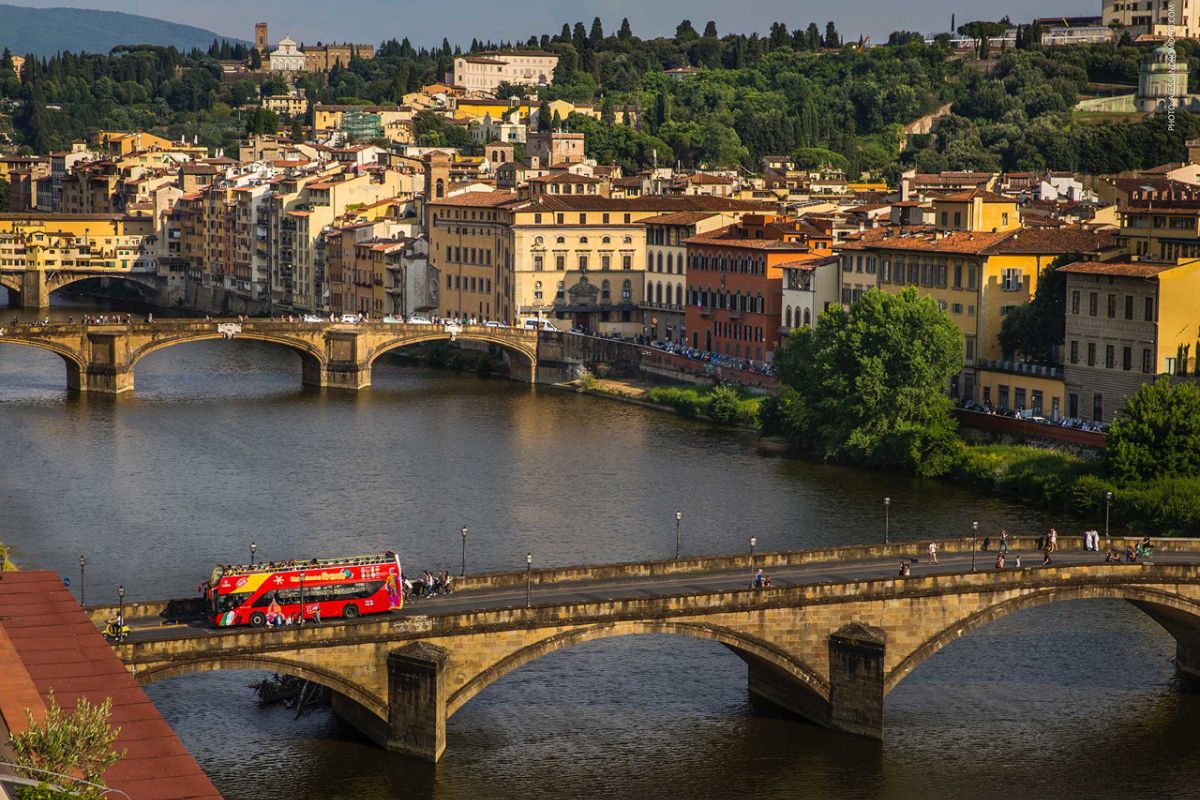
If your goal is to explore Italy’s cities, museums, and historical landmarks, spring (March – May) and fall (September – November) are widely considered the best time to visit Italy weather-wise. During these months, temperatures are mild enough for long days of walking, from Rome’s Colosseum to Florence’s Uffizi Gallery. You won’t have to deal with the scorching heat of summer, and attractions are less crowded compared to July and August.
Beyond comfort, these shoulder seasons also offer special cultural experiences. In spring, you can witness Easter celebrations in Rome, complete with papal processions at the Vatican. In autumn, Venice comes alive with the International Film Festival, while Tuscany hosts wine and food fairs. For travelers who value culture, art, and authentic interaction with locals, these periods provide the best time to see Italy without the overwhelm of mass tourism.
For Beaches and Summer Holidays
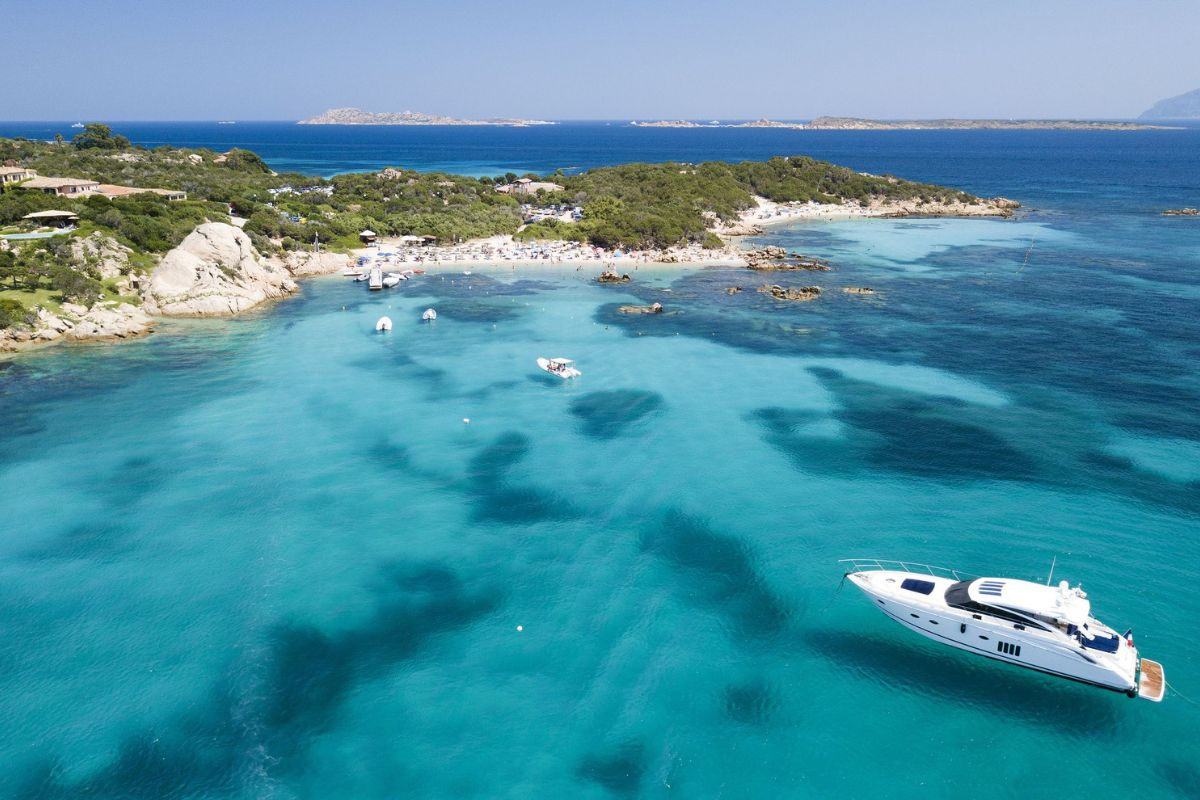
If your Italian dream includes sunbathing on golden beaches, sailing along the Amalfi Coast, or diving into turquoise waters off Sardinia, then June through early September is the best time to go to Italy. The Mediterranean climate ensures hot, sunny days, and coastal towns buzz with life during the summer season.
Destinations like Sicily, Capri, and Puglia are at their best during these months. You can swim in crystal-clear waters, join boat tours around hidden coves, and enjoy late dinners by the sea under starry skies. While this is also peak tourist season, the atmosphere is vibrant, and festivals like the Palio di Siena or open-air concerts make summer holidays uniquely memorable. Just remember to book accommodations well in advance, as coastal resorts are in high demand.
For Food and Wine Lovers
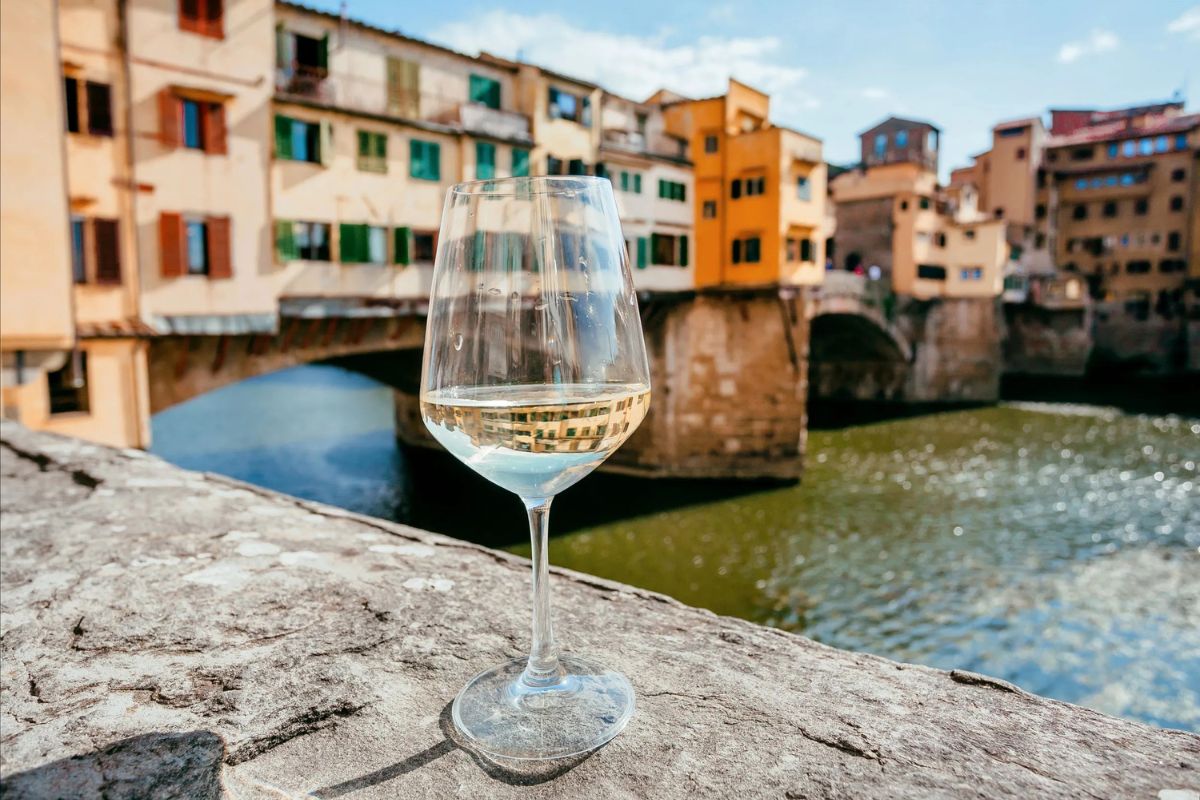
For culinary travelers, autumn is the undisputed best time for Italy visit. From September to November, the country celebrates its harvest season, and food festivals fill towns with flavor and tradition. This is when you’ll experience grape harvests in Tuscany, truffle fairs in Piedmont, and fresh olive oil tastings across Umbria.
Wine enthusiasts can join vineyard tours to sample Barolo, Chianti, or Prosecco straight from the source, often accompanied by local cuisine prepared with seasonal ingredients. Autumn also brings cooler weather that makes indulging in hearty dishes—like risotto, pasta with porcini mushrooms, or chestnut desserts. For anyone who travels through taste, fall is without question the best time to visit Italy.
For Skiing and Winter Sports

Italy isn’t just about history and beaches; it’s also a paradise for winter sports. From December through February, the Alps and Dolomites turn into world-class ski destinations, offering slopes that rival those of Switzerland or Austria but with Italian flair. Resorts like Cortina d’Ampezzo, Madonna di Campiglio, and Val Gardena attract both beginners and experts.
Beyond skiing and snowboarding, you can enjoy après-ski culture, with cozy mountain lodges serving hot chocolate, mulled wine, and hearty alpine dishes like polenta. Winter also brings unique cultural events, such as the Venice Carnival, which transforms the city into a stage of masks and costumes. For travelers seeking snow, adventure, and festive traditions, this season is the best time to visit Italy.
Best Time to Go to Italy by Destination
Italy is a country of contrasts, and each destination has its own rhythm throughout the year. The best time to visit Italy can look very different depending on your destination. Understanding these seasonal patterns will help you match your itinerary with the experience you want most.
Rome:
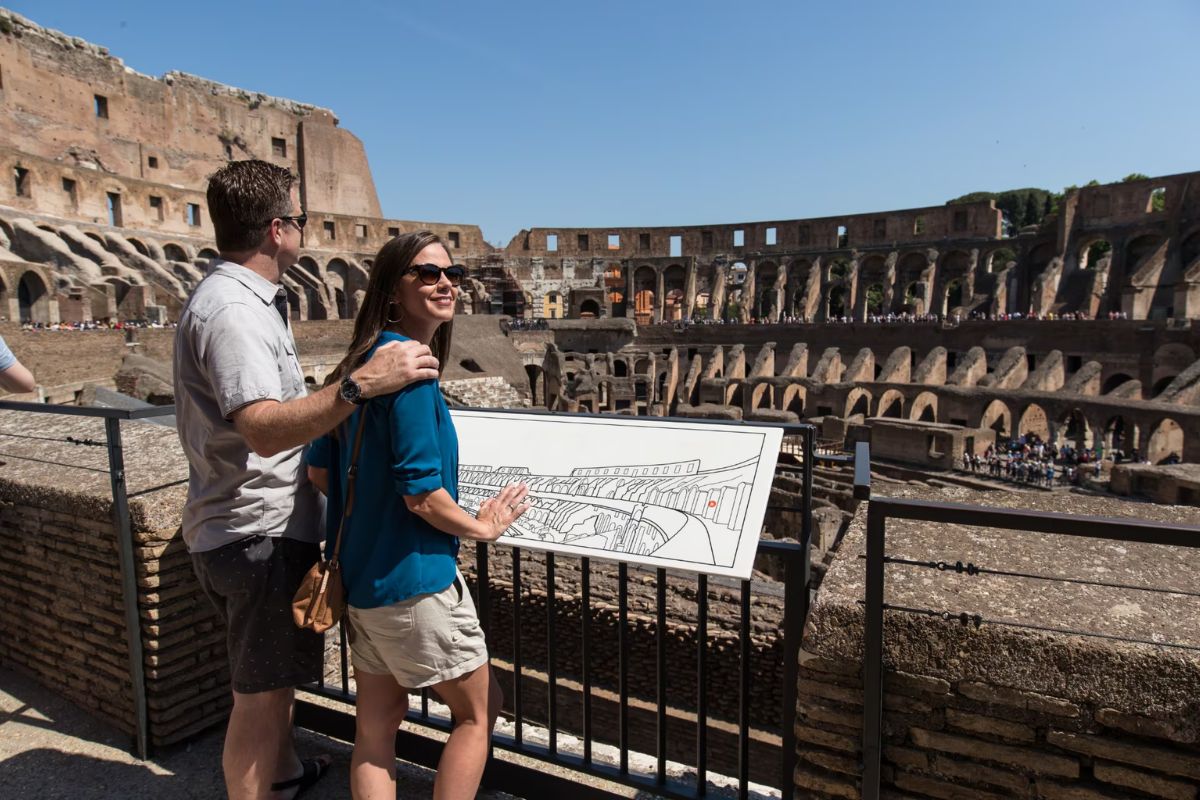
- This city is often at its finest in spring and fall, when warm days and cool evenings make sightseeing comfortable. The Colosseum, Roman Forum, and Vatican Museums are easier to enjoy without the heat waves of summer or the tourist crowds of July and August. During these shoulder seasons, you’ll also find more opportunities to mingle with locals at outdoor cafés and neighborhood festivals.
Venice:
- The city can be overwhelming in peak summer, both for the heat and the crush of visitors around Piazza San Marco. Visiting outside these months allows you to explore canals, art galleries, and hidden neighborhoods at a slower pace. Winter, meanwhile, brings a magical side to Venice: mist rolling over the lagoon, festive Christmas markets, and the unforgettable Carnival in February.
Florence & Tuscan countryside:
- These are best experienced in spring and autumn as well. Spring brings blooming gardens at Boboli and Bardini, while fall coincides with grape harvests and olive oil season, perfect for travelers who appreciate food and wine. Summer in Florence can be hot and crowded, but a day trip into the Tuscan hills offers relief with cooler air and breathtaking landscapes.
The Amalfi Coast:
- With its pastel villages and dramatic cliffs, is at its most enjoyable in early summer and early fall. June and September deliver warm seas and sunny days, but without the intense crowds and traffic of July and August. These months are perfect for boat trips, coastal hikes, and leisurely meals overlooking the Mediterranean.
Weather Considerations for Travelers to Italy
When planning a trip, it is important to understand the best time to visit Italy weather conditions, since the climate varies greatly by season. Knowing what to expect will help you pack wisely and enjoy every moment, whether you are sightseeing in ancient cities, relaxing on the coast, or exploring the countryside.
- Spring: 15 – 25°C, ideal for sightseeing.
- Summer: 28 – 35°C, sunny but hot in cities.
- Autumn: 10 – 25°C, comfortable with occasional rain.
- Winter: 0 – 10°C in the north, milder in the south.
Cheapest Time to Go to Italy
If budget is your priority, the cheapest time to go to Italy is winter, excluding the Christmas and New Year holidays. January and February usually offer the lowest airfares and hotel rates. You’ll also find deals in November and early March. Traveling off-season not only saves money but also gives you the luxury of exploring major sites without long queues.
There isn’t a single answer to the question of the best time to visit Italy, because the country has something special in every season. For most travelers, spring and autumn are the sweet spots, offering pleasant weather, cultural events, and smaller crowds. Summer is perfect for beaches and festivals, while winter delivers charm, affordability, and ski adventures.


0 Comment