

Italy’s UNESCO World Heritage Sites represent a remarkable blend of cultural brilliance and natural beauty, earning the country the highest number of UNESCO listings in the world. With over 50 recognized sites across cities, countryside, and coastlines, Italy invites travelers to step into living history and timeless artistry. This guide highlights some of the most iconic and meaningful UNESCO World Heritage Sites in Italy, perfect for travelers seeking authentic cultural immersion and unforgettable moments.
At Global Shore Excursions, we guide you to the top UNESCO cultural and natural sites across Italy that promise an unforgettable 2025 journey. Let’s explore the cultural and natural gems that define the Italian experience.
Why You Should Visit UNESCO World Heritage Sites in Italy
Visiting Italy’s UNESCO World Heritage Sites in 2025 offers a unique opportunity to experience the timeless beauty of cultural treasures at their finest. Several key trends and developments make this year an ideal time for discovery.
Cultural travel is surging post-COVID
After years of limited international travel, cultural tourism is making a strong comeback. Travelers are seeking deeper, more meaningful experiences that connect them with history, tradition, and local identity. Italy, with its vast number of UNESCO-listed landmarks, is at the forefront of this trend, offering curated experiences that blend learning, inspiration, and beauty.
Restoration efforts enhance the visitor experience

Many UNESCO sites in Italy have recently undergone careful restoration and conservation work. From frescos in historic cathedrals to the structural preservation of ancient ruins, these efforts have brought new life and clarity to beloved landmarks. In 2025, visitors can witness these heritage sites in better condition than ever, often with improved signage, lighting, and multimedia displays that enrich understanding.
Classic charm meets modern comfort
Italy has found a graceful balance between old-world charm and contemporary convenience. UNESCO-listed towns and monuments are now more accessible thanks to upgrades in infrastructure, eco-friendly transport options, and smart-tourism services like multilingual apps, digital guides, and sustainable travel tips. You can enjoy the awe of stepping into a medieval piazza or Roman amphitheater without sacrificing comfort, safety, or connectivity.
Some sites may face future visitor limits
As sustainability becomes a global priority, Italy is increasingly focused on protecting its fragile heritage. Some of its most iconic UNESCO destinations, including Venice and the Cinque Terre, are already implementing entrance quotas or advance booking systems to manage overtourism. Visiting in 2025 gives travelers the chance to explore these places before tighter regulations take full effect in the coming years.
Top Italy’s UNESCO World Heritage Sites for Travelers
Italy UNESCO World Heritage Sites are among the most iconic and diverse in the world, reflecting centuries of art, history, architecture, and natural beauty. With 59 official listings, more than any other country, Italy invites travelers to experience timeless wonders, from ancient ruins to Renaissance masterpieces.
The Historic Centre of Rome
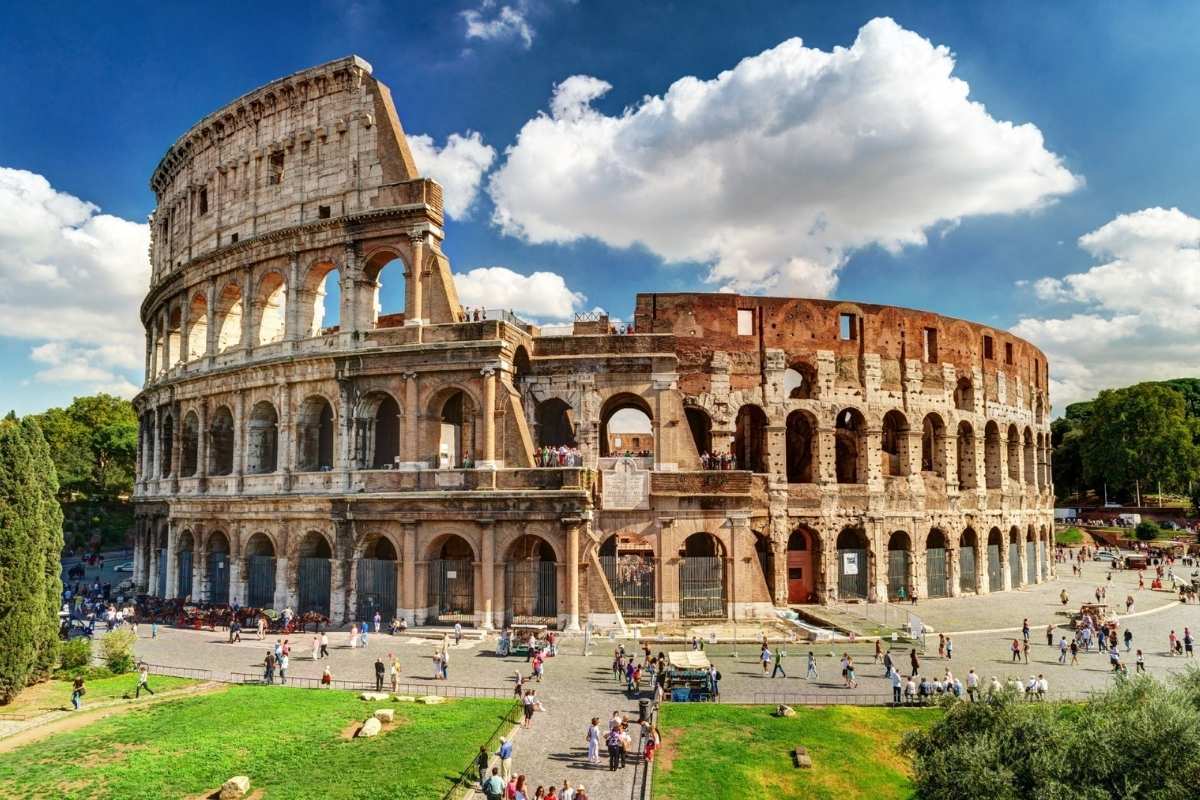
At the heart of Italy lies Rome, a city that has been a center of power, religion, and culture for over two millennia. Recognized by UNESCO for its profound historical and artistic significance, the historic center of Rome includes ancient Roman landmarks such as the Colosseum, Roman Forum, and Pantheon, as well as Renaissance and Baroque masterpieces like the Trevi Fountain and Piazza Navona. Also part of the listing are Vatican City and the Basilica of Saint Paul Outside the Walls, highlighting the city’s religious influence. Walking through Rome feels like strolling through a living museum, where every stone tells a story.
The City of Venice and its Lagoon
Venice is one of the world’s most unique cities, built on over 100 islands interconnected by canals and bridges. Its listing as a UNESCO World Heritage Site is due to both its architectural grandeur and its ingenious adaptation to a challenging environment. The shimmering canals, Gothic palaces, and St. Mark’s Basilica create an enchanting atmosphere. The lagoon surrounding Venice is an integral part of the city’s identity, supporting a delicate ecological balance. A gondola ride, a stroll through the alleys, and a sunset over the Grand Canal offer unforgettable memories that blend human creativity with nature’s charm.
The Historic Centre of Florence
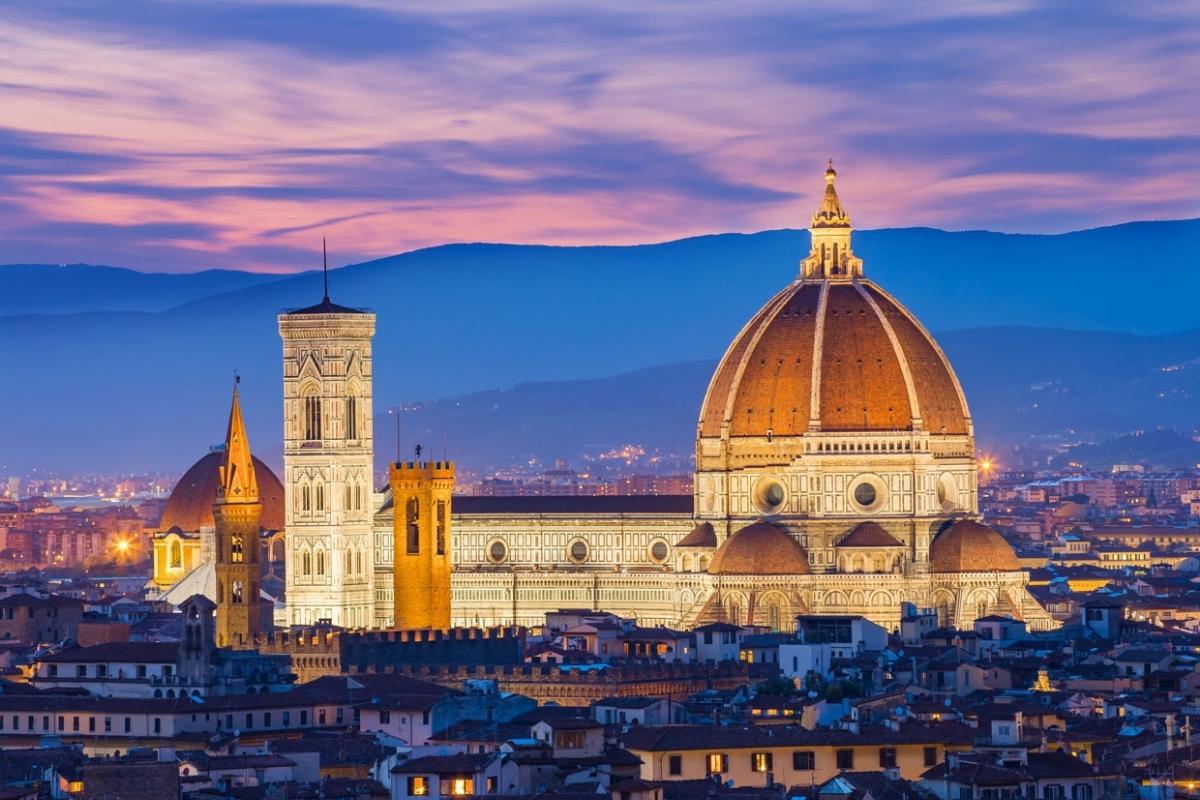
Florence, the cradle of the Renaissance, boasts an unparalleled concentration of art, architecture, and history. Its historic center is home to iconic landmarks such as the Florence Cathedral with its magnificent dome by Brunelleschi, the Uffizi Gallery, and the Ponte Vecchio. The city’s layout and skyline have remained largely unchanged since the Renaissance, allowing visitors to experience the city much as artists like Michelangelo and Leonardo da Vinci once did. The spirit of humanism and artistic excellence that emerged here continues to inspire the world to this day.
The Amalfi Coast
Stretching along the southern edge of Italy’s Sorrentine Peninsula, the Amalfi Coast is a stunning example of a Mediterranean landscape that has harmoniously developed through centuries of human habitation. Villages like Positano, Ravello, and Amalfi cling to cliffs that plunge into the turquoise sea, with terraced vineyards and lemon groves adding to the charm. The coastal road offers jaw-dropping views around every bend, while local traditions in architecture, cuisine, and crafts remain vibrant. The Amalfi Coast is not just scenic—it’s a cultural mosaic of land, sea, and spirit.
The Archaeological Areas of Pompeii and Herculaneum
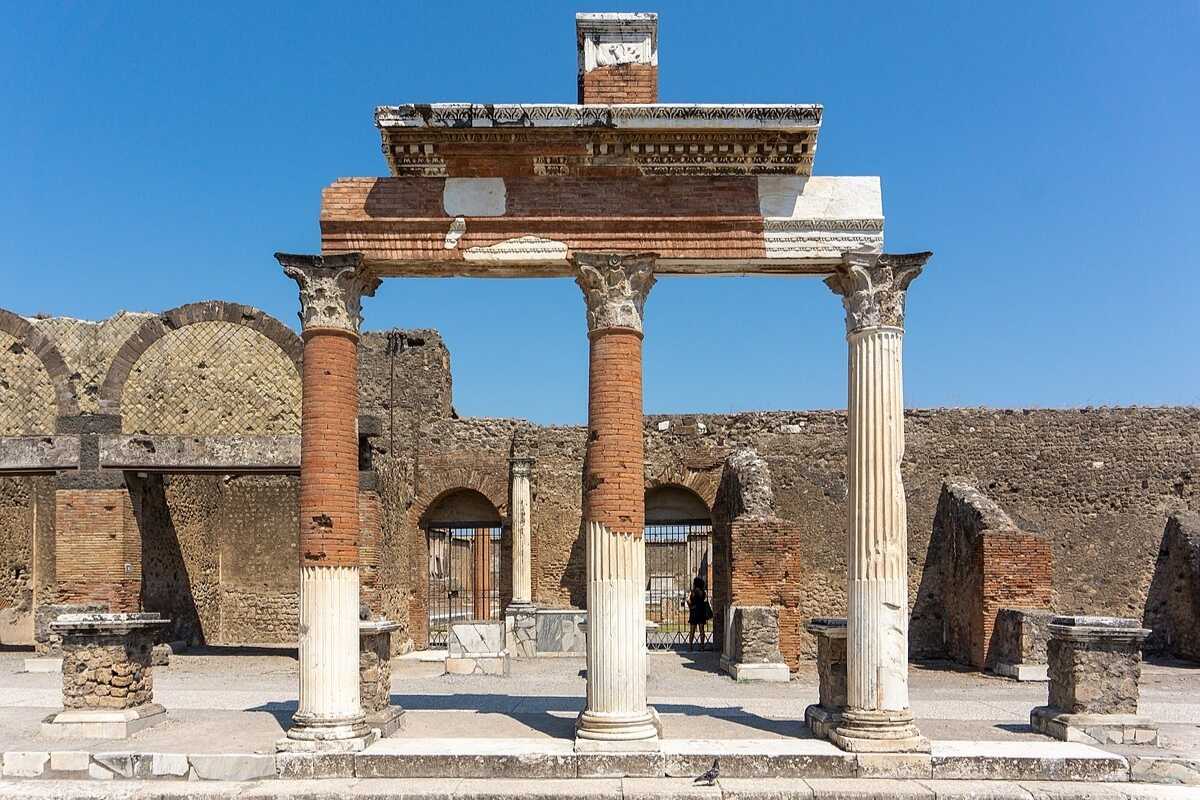
Few places in the world offer such a vivid window into ancient life as Pompeii and Herculaneum. Buried by the catastrophic eruption of Mount Vesuvius in 79 AD, these Roman towns were preserved under layers of ash for centuries. Excavations have revealed homes, streets, frescoes, and even graffiti, allowing visitors to step back into the daily lives of Roman citizens. Pompeii’s amphitheater and Herculaneum’s multistory buildings provide astonishing insights into urban planning and domestic architecture of the time. These sites serve as poignant reminders of nature’s power and history’s fragility.
The Dolomites
The Dolomite Mountains in northeastern Italy are among Europe’s most spectacular natural landscapes. Recognized by UNESCO for their dramatic beauty and geological significance, the Dolomites feature jagged peaks, deep valleys, alpine meadows, and crystal-clear lakes. They are a haven for outdoor enthusiasts, offering activities such as skiing, hiking, climbing, and cycling. Beyond their physical beauty, the Dolomites also reflect a long history of cultural blending, where Italian, German, and Ladin traditions coexist in charming mountain villages. A visit to the Dolomites offers both adventure and peace, set against an unforgettable backdrop.
The Historic Centres of San Gimignano and Siena

Tuscany is renowned for its rolling hills and medieval towns, and two of the most iconic—San Gimignano and Siena—are recognized by UNESCO for their architectural and cultural importance. San Gimignano, often called the “Medieval Manhattan,” is famous for its skyline of preserved tower houses. Its town center reflects the urban organization of the Middle Ages. Siena, on the other hand, enchants visitors with its Gothic buildings, the shell-shaped Piazza del Campo, and the Palio horse race. Both towns offer a glimpse into medieval Italy’s wealth, artistry, and civic pride.
Cinque Terre and the Ligurian Coast
Cinque Terre consists of five colorful fishing villages—Monterosso, Vernazza, Corniglia, Manarola, and Riomaggiore—perched on cliffs along the rugged Ligurian coastline. These villages, along with the surrounding terraces and vineyards, demonstrate a unique balance between human activity and the natural environment. Narrow lanes, sea views, and local wines define the region’s charm. The walking trails that connect the villages provide panoramic views of the coast and a deeper connection to the landscape. Despite modern tourism, Cinque Terre retains its authenticity and timeless appeal.
The Trulli of Alberobello
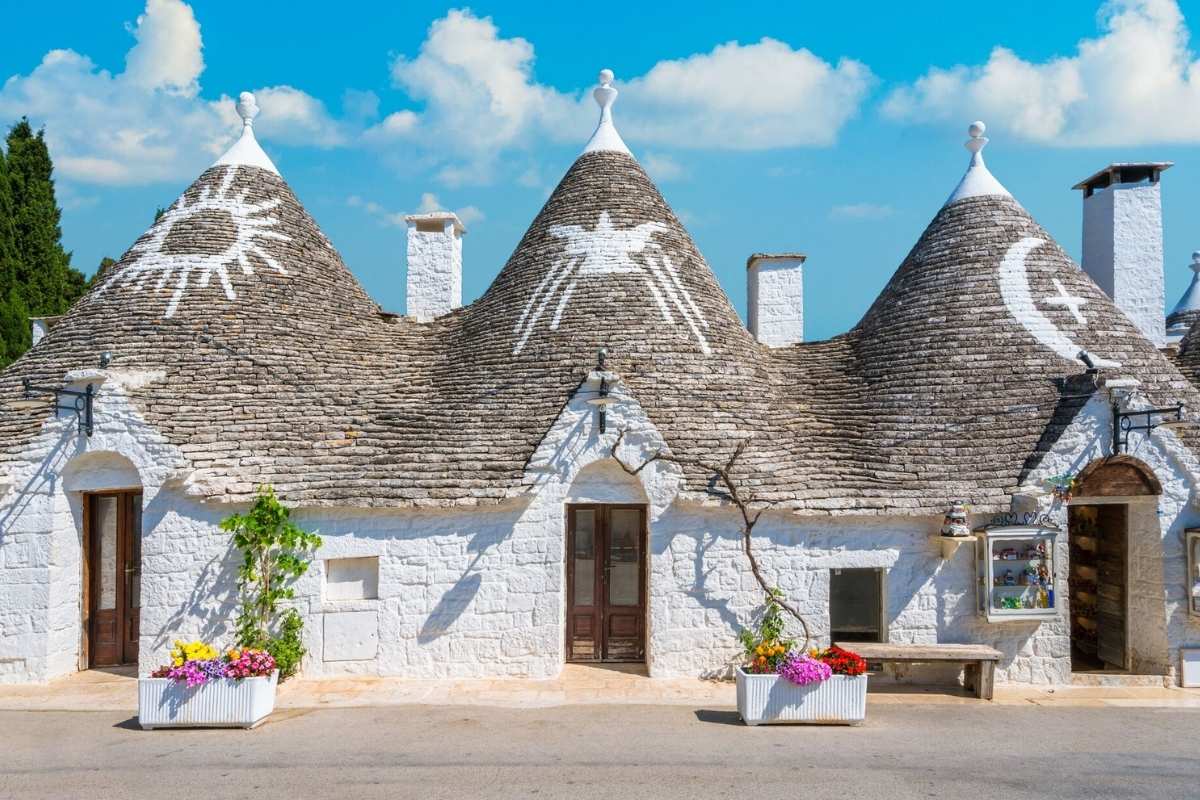
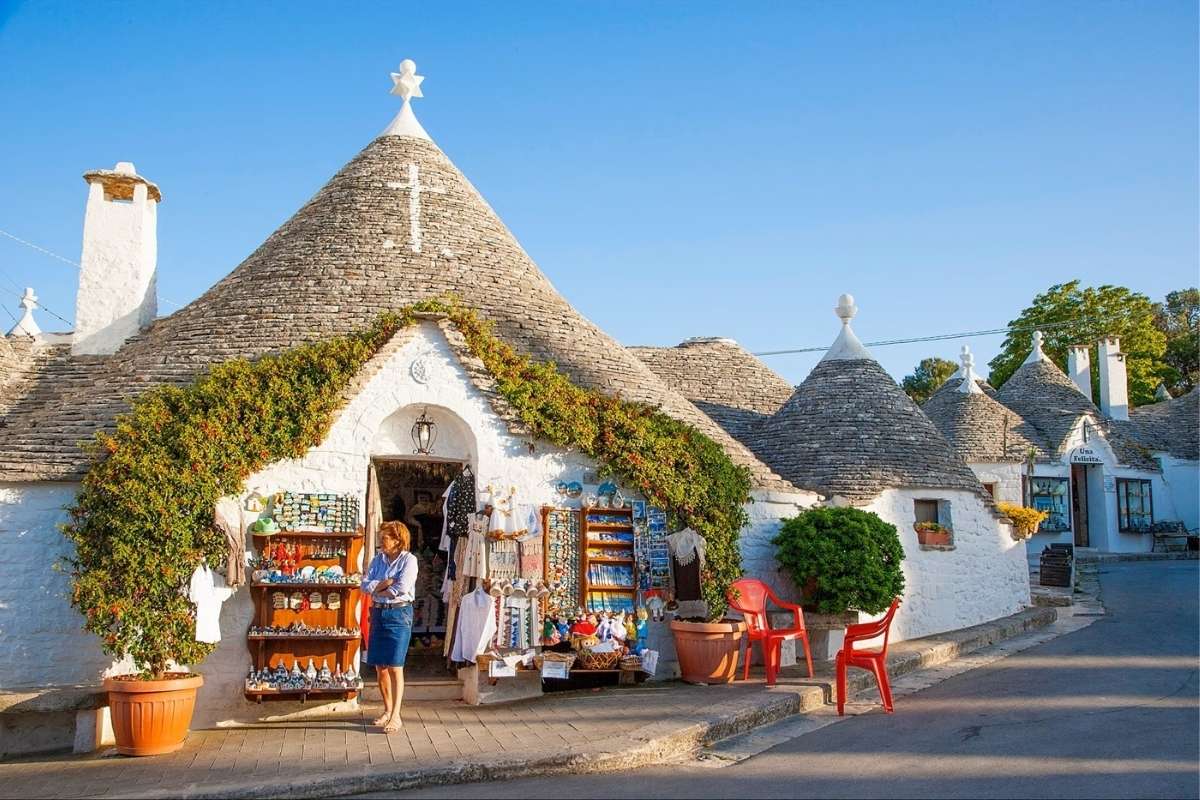
In the southern region of Puglia, the town of Alberobello stands out for its distinctive trulli—whitewashed stone huts with conical roofs. These traditional dwellings, unique to this part of Italy, were constructed without mortar and date back to the 14th century. Their design reflects both architectural ingenuity and historical context, as they could be dismantled quickly to avoid taxes under feudal law. Today, the trulli of Alberobello create a fairy-tale atmosphere that draws visitors into a world of folk traditions, artisanal crafts, and rustic beauty.
The Early Christian Monuments of Ravenna
Ravenna, once the capital of the Western Roman Empire, is home to some of the finest examples of early Christian art and architecture. Its UNESCO-listed monuments include eight churches and baptisteries dating from the 5th and 6th centuries. Inside, visitors can marvel at intricate mosaics that depict biblical scenes in vibrant colors and gold leaf. The Basilica of San Vitale and the Mausoleum of Galla Placidia are particularly renowned for their stunning artistry. These monuments testify to the spiritual and political transformations that shaped Europe’s early medieval period.
Mount Etna
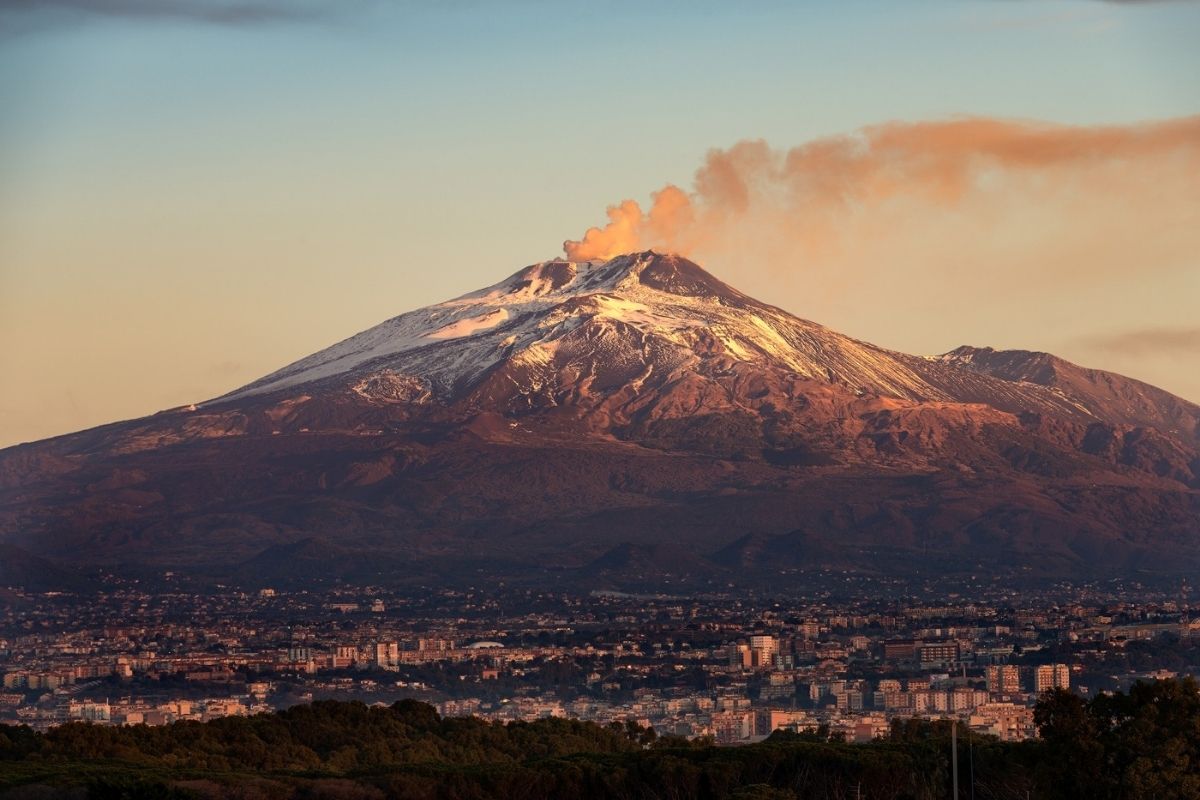
Mount Etna, Europe’s highest and most active volcano, dominates the eastern coast of Sicily and has influenced the region’s culture and ecology for millennia. Its frequent eruptions have shaped the landscape and inspired myths, including those of the Greek gods. UNESCO recognizes Etna for its geological features and its contribution to the understanding of volcanic processes. Visiting the volcano allows for hikes through lava fields, explorations of craters, and views from cable cars or guided tours. The fertile volcanic soil also supports thriving vineyards and orchards that contribute to Sicily’s rich culinary heritage.
The Rock Drawings in Valcamonica
Tucked into the Alps of northern Italy, the Valley of Valcamonica is one of the largest and most significant collections of prehistoric petroglyphs in Europe. With more than 140,000 symbols and figures carved into rock over a period of 8,000 years, the site offers a remarkable glimpse into early human expression and cultural evolution. The images depict scenes of hunting, rituals, agriculture, and symbols whose meanings still invite interpretation. Visiting Valcamonica is like walking through the earliest chapters of human storytelling.
Travel Tips for Visiting Italy’s UNESCO World Heritage Sites
Exploring Italy UNESCO World Heritage Sites is one of the most rewarding ways to connect with the country’s rich tapestry of history, art, and nature. To make the most of your cultural journey, consider these practical and insightful travel tips:
- Book in advance: Many top UNESCO sites in Italy now require timed entry. Plan early to secure your spots.
- Use guided tours: A certified guide adds context and storytelling that elevates your visit beyond the visuals.
- Pack for walking: Many heritage areas are pedestrian-only. Bring comfortable shoes and light gear.
- Travel in shoulder seasons: Late spring or early fall offers ideal weather and fewer crowds across Italy’s top heritage sites.
- Be respectful: These are living heritage sites. Follow local guidelines to help preserve their beauty and legacy.
Final Thoughts
Italy’s UNESCO World Heritage Sites are more than mere tourist attractions—they are living, breathing examples of humanity’s achievements and nature’s wonders. From the ancient ruins of Rome and Pompeii to the serene beauty of the Dolomites and the colorful coastlines of Liguria, each site offers a journey into the past, a lesson in sustainability, and a glimpse of what makes Italy timeless. Whether your passion lies in art, architecture, archaeology, or natural landscapes, these sites will ignite your imagination and enrich your travels.
Before visiting any UNESCO site, consider checking for seasonal hours, booking tickets in advance, and respecting local preservation guidelines. Supporting sustainable tourism ensures that these irreplaceable wonders will endure for generations to come. Italy’s legacy is vast, and your adventure is just beginning.


0 Comment