
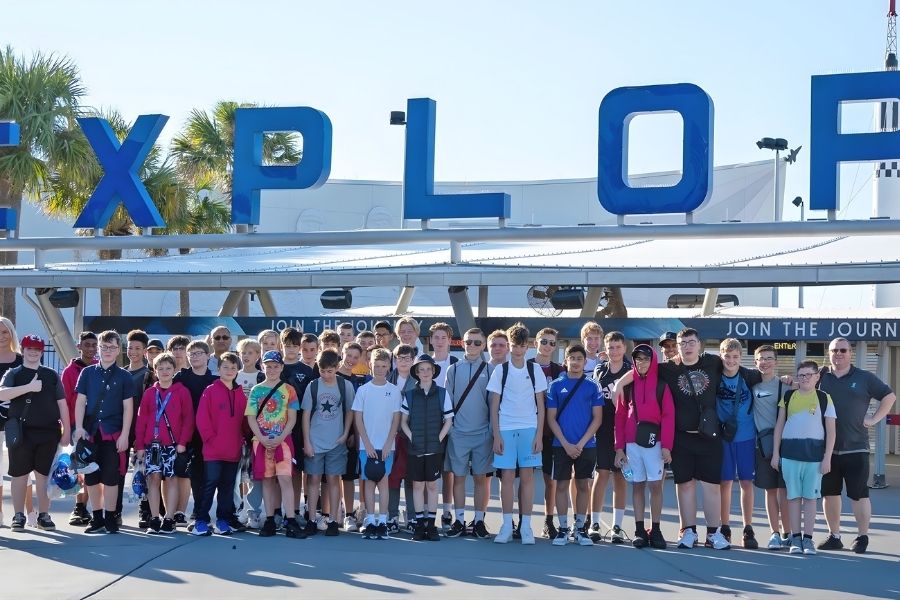

As experiential learning becomes a core pillar of modern education, schools are re-evaluating how learning outside the classroom should be designed. Traditional field trips have long served as a familiar educational tool, offering students structured exposure to museums, cultural institutions, and local heritage sites. However, short shore excursions often integrated into an educational school trip are emerging as an alternative learning model that introduces students to real-world environments beyond their immediate cultural context.
This comparison is not merely logistical. It reflects deeper questions about learning effectiveness, student engagement, and long-term educational impact. By examining shore excursions and traditional field trips through educational theory, curriculum alignment, and experiential depth, it becomes possible to assess which approach better supports contemporary learning goals.
Educational Context and Learning Design in Experiential Travel
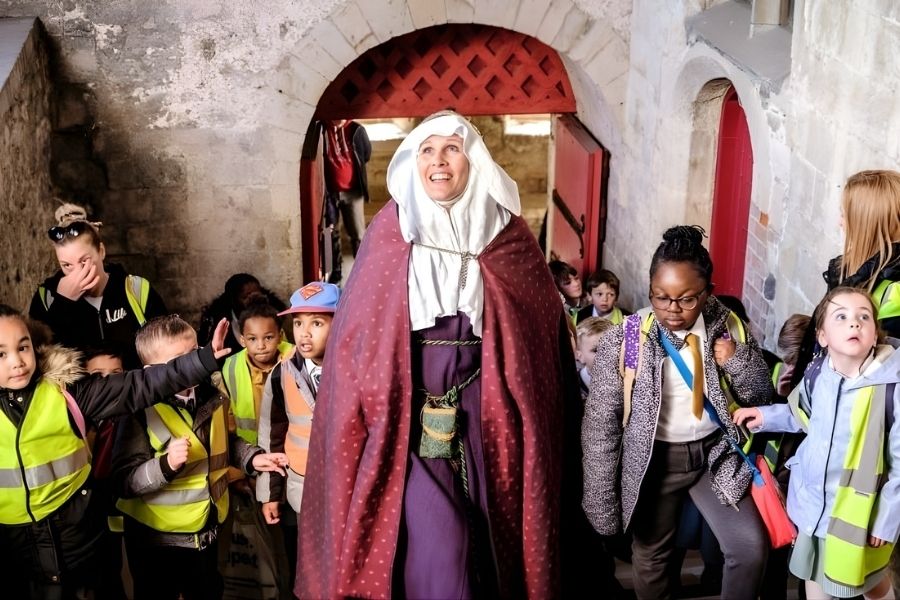
The educational value of any learning journey begins with its design framework. Both traditional field trips and shore excursions aim to extend classroom learning, yet they operate within very different educational contexts.
Traditional field trips are typically embedded within a familiar national or regional framework. Their strength lies in predictability and ease of alignment with existing curricula. Shore excursions, by contrast, take place within unfamiliar cultural, linguistic, and social environments. This difference significantly influences how students process information and engage with learning.
Educational research on experiential learning suggests that unfamiliar contexts encourage deeper cognitive processing. When students must interpret new environments, learning shifts from recognition to analysis. This shift often increases curiosity, attention, and emotional engagement key components of effective learning.
Depth of Experiential Learning in Different Travel Formats
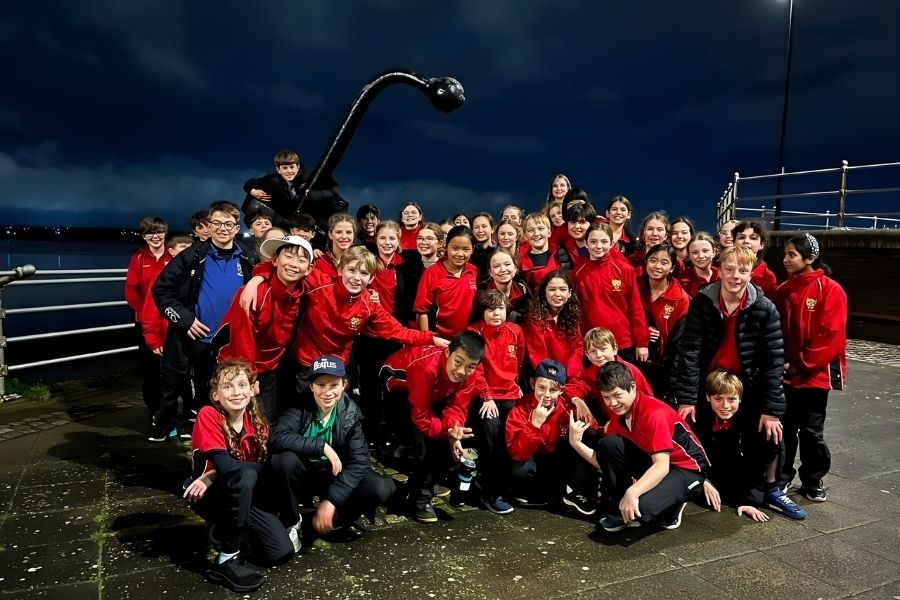
Experiential learning theory emphasizes the importance of active participation and reflection. While both travel formats support experiential learning, the intensity of experience often differs.
Familiar environments and structured exposure
Traditional field trips benefit from controlled environments where learning outcomes are clearly defined. Students often engage with curated narratives designed for educational purposes. While this structure supports comprehension, it may limit spontaneous inquiry or emotional impact, particularly for older students who have repeated similar experiences.
Immersive environments and real-world complexity
Shore excursions place students within living environments shaped by history, economy, and culture. Instead of observing curated exhibits, learners encounter complexity in real time. Educational psychologists note that immersion in unfamiliar settings strengthens memory formation and conceptual understanding, giving shore excursions a distinct experiential advantage despite their shorter duration.
Cultural and Global Learning Opportunities Beyond the Classroom
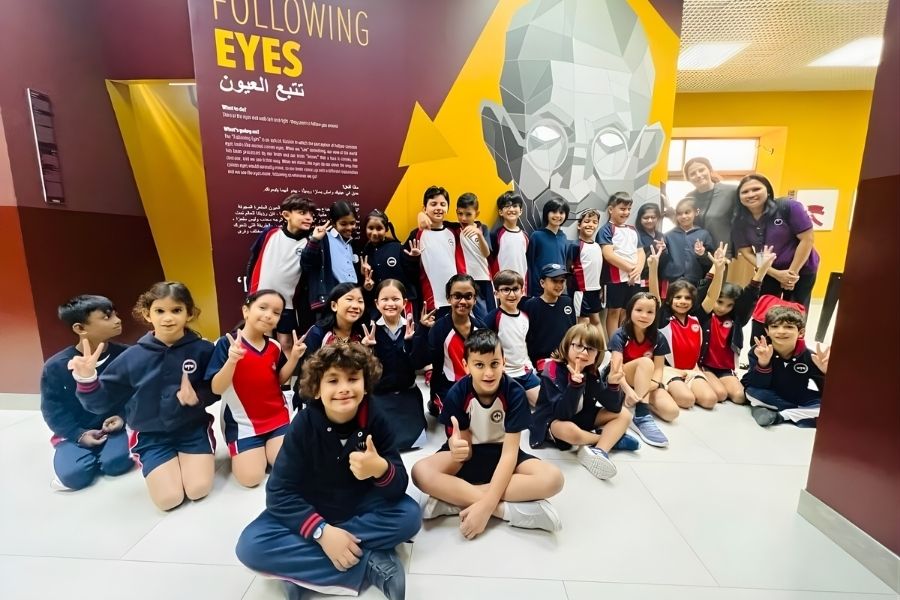
Cultural understanding is increasingly recognized as a critical educational outcome. In this area, the contrast between traditional field trips and shore excursions becomes especially clear.
Traditional field trips typically reinforce national narratives and local cultural knowledge. These experiences remain valuable but often reflect students’ existing worldviews. Shore excursions introduce students to different cultural norms, social structures, and daily practices within authentic settings.
According to UNESCO’s Global Citizenship Education framework, exposure to diverse cultural contexts fosters empathy, adaptability, and intercultural competence. Even brief shore-based experiences such as navigating local markets or observing community lifecan challenge assumptions and broaden perspectives in ways that traditional field trips rarely achieve with the same intensity.
Historical and Geographical Learning Through Place-Based Experience
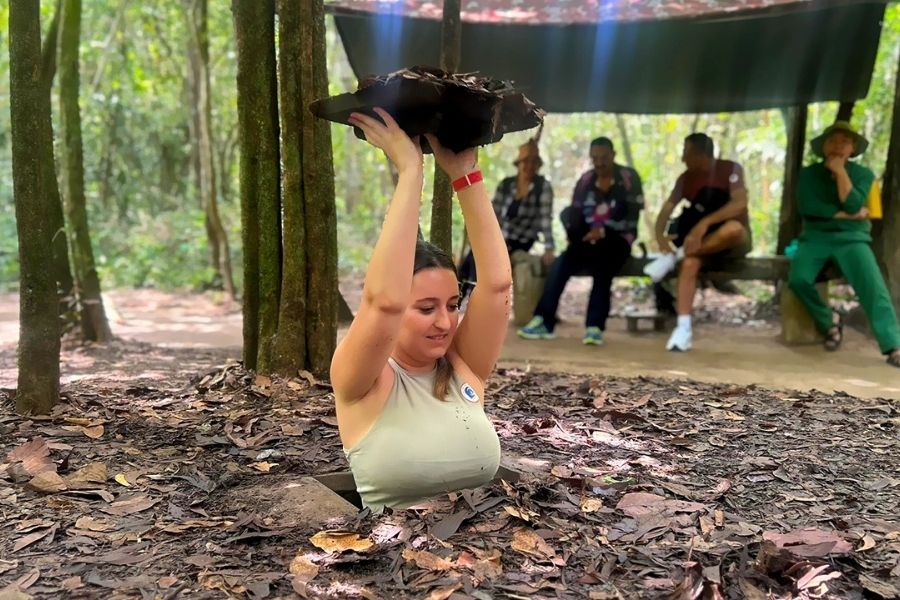
History and geography education benefit significantly from place-based learning, yet the nature of “place” differs across learning models.
Traditional field trips often rely on reconstructed or curated environments, such as museums or educational centers. These spaces provide valuable factual knowledge but may separate historical narratives from their physical and social context.
Shore excursions situate learning within original historical and geographical settings. Ports and coastal cities reflect centuries of trade, migration, and cultural exchange. Students can observe how geography shapes economic development and social organization, reinforcing systems thinking rather than isolated memorization. This contextual learning aligns with modern pedagogical approaches that emphasize interconnected understanding.
Learning Intensity, Time Constraints, and Educational Efficiency
Time is frequently cited as a limitation of shore excursions. However, educational effectiveness depends not on duration alone, but on learning density.
Traditional field trips often involve extended schedules, yet learning time may be diluted by logistical transitions and passive observation. Shore excursions operate under strict time constraints, requiring focused objectives and efficient design. This structure often results in higher engagement per hour.
Educational studies indicate that concentrated learning experiences followed by reflection can outperform longer, less focused activities. From this perspective, shore excursions demonstrate strong educational efficiency when properly planned.
Safety, Structure, and Ethical Considerations in Educational Travel
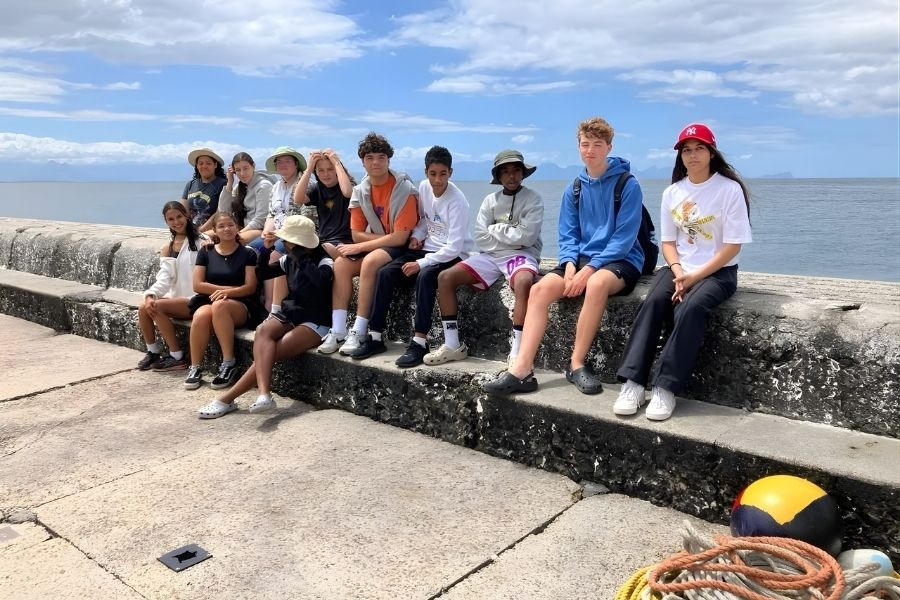
Educational value is inseparable from safety and ethical responsibility. Traditional field trips benefit from established procedures within familiar environments.
Shore excursions demand higher levels of coordination, risk management, and local collaboration. When properly managed, they meet rigorous safety standards and model responsible travel behavior. Principles promoted by the United Nations World Tourism Organization emphasize ethical engagement with host communities, reinforcing the educational integrity of student excursions.
Long-Term Educational Impact and Student Development
The lasting impact of learning experiences is a key measure of educational success. Research consistently shows that travel-based learning experiences remain vivid in students’ memories, particularly when they involve cultural immersion and personal challenge.
Traditional field trips reinforce foundational knowledge, while shore excursions often influence worldview, cultural sensitivity, and academic curiosity long after the experience concludes. These outcomes align with broader educational goals that prioritize personal growth alongside academic achievement.
Choosing the Right Learning Model for Modern Education
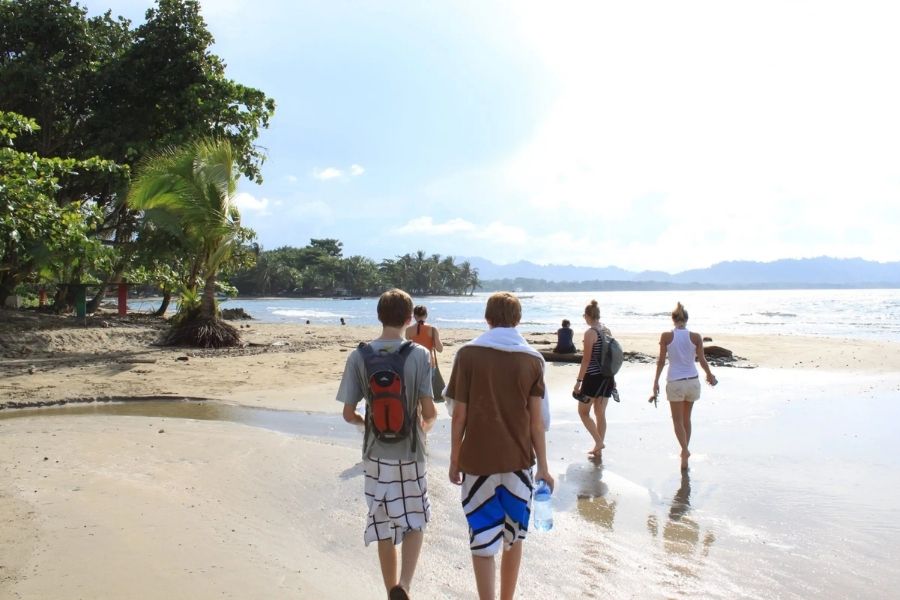
The comparison between shore excursions and traditional field trips reveals that both serve important educational functions. Traditional field trips offer structured, curriculum-aligned learning within familiar contexts. Shore excursions provide immersive, high-impact experiences that foster global awareness, critical thinking, and emotional engagement.
When integrated thoughtfully into an educational school trip, shore excursions offer distinct advantages in depth, cultural learning, and long-term impact. Rather than replacing traditional field trips, they expand the possibilities of experiential educationconnecting students more directly with the world they study and preparing them for global citizenship beyond the classroom.


0 Comment