


Australia, a land of diverse landscapes and vibrant cultures, is one of the most sought-after destinations for travelers worldwide. From the stunning Great Barrier Reef to the sprawling Outback, bustling cities like Sydney and Melbourne, and serene coastal towns, Australia offers a plethora of experiences. The best times to travel to Australia are generally from September to November and March to May.
However, the best time to visit Australia largely depends on several factors, including the weather, seasons, and festivals. Whether you’re looking to soak in the sun on Bondi Beach or explore the wilds of Tasmania, understanding Australia’s weather patterns and seasonal events is crucial for planning an unforgettable trip. In this guide from Global Shore Excursions, we’ll explore the best time to visit Australia based on weather conditions, seasons, and the numerous festivals that take place throughout the year.
Understand Australia’s Weather and Seasons
Australia is located in the Southern Hemisphere, meaning its seasons are opposite to those in the Northern Hemisphere. While the weather can vary dramatically across different regions of the country, it is generally classified into four main seasons: summer, autumn, winter, and spring.
- Summer (December to February): Summer in Australia is characterized by hot, sunny days, especially in the southern regions, such as Melbourne and Sydney, while the northern areas like Cairns and Darwin experience warm and humid conditions.
- Autumn (March to May): Autumn brings cooler, more comfortable weather, making it ideal for exploring cities and natural landmarks without the intensity of summer heat.
- Winter (June to August): Winter temperatures can vary greatly depending on the region, with snow in the mountains and milder weather in coastal cities.
- Spring (September to November): Spring is a beautiful time to visit Australia, with pleasant weather and nature in full bloom. The warmer temperatures make outdoor activities more enjoyable.
Best Time to Visit Australia by Season
Because Australia is located in the Southern Hemisphere, its seasons are opposite to those in Europe and North America. This means summer runs from December to February, while winter falls between June and August. Each season offers a different travel experience depending on weather, crowd levels, and available activities. Understanding these seasonal differences will help you choose the best time for your trip.
1. Summer (December – February)

Summer is Australia’s peak travel season. The country comes alive with sunshine, beach culture, and major holiday celebrations. Coastal cities and islands are especially attractive during this period. This is the perfect season for enjoying Australia’s famous beaches. Places like Sydney, the Gold Coast, Bondi Beach, and the Whitsundays offer warm water, long sunny days, and vibrant coastal life. Outdoor activities such as surfing, snorkeling, island hopping, and coastal walks are at their best.
Summer is best for:
- Beach lovers who enjoy swimming and sunbathing
- Travelers who love festivals and nightlife
- Visitors seeking a lively, high-energy atmosphere
2. Autumn (March – May)
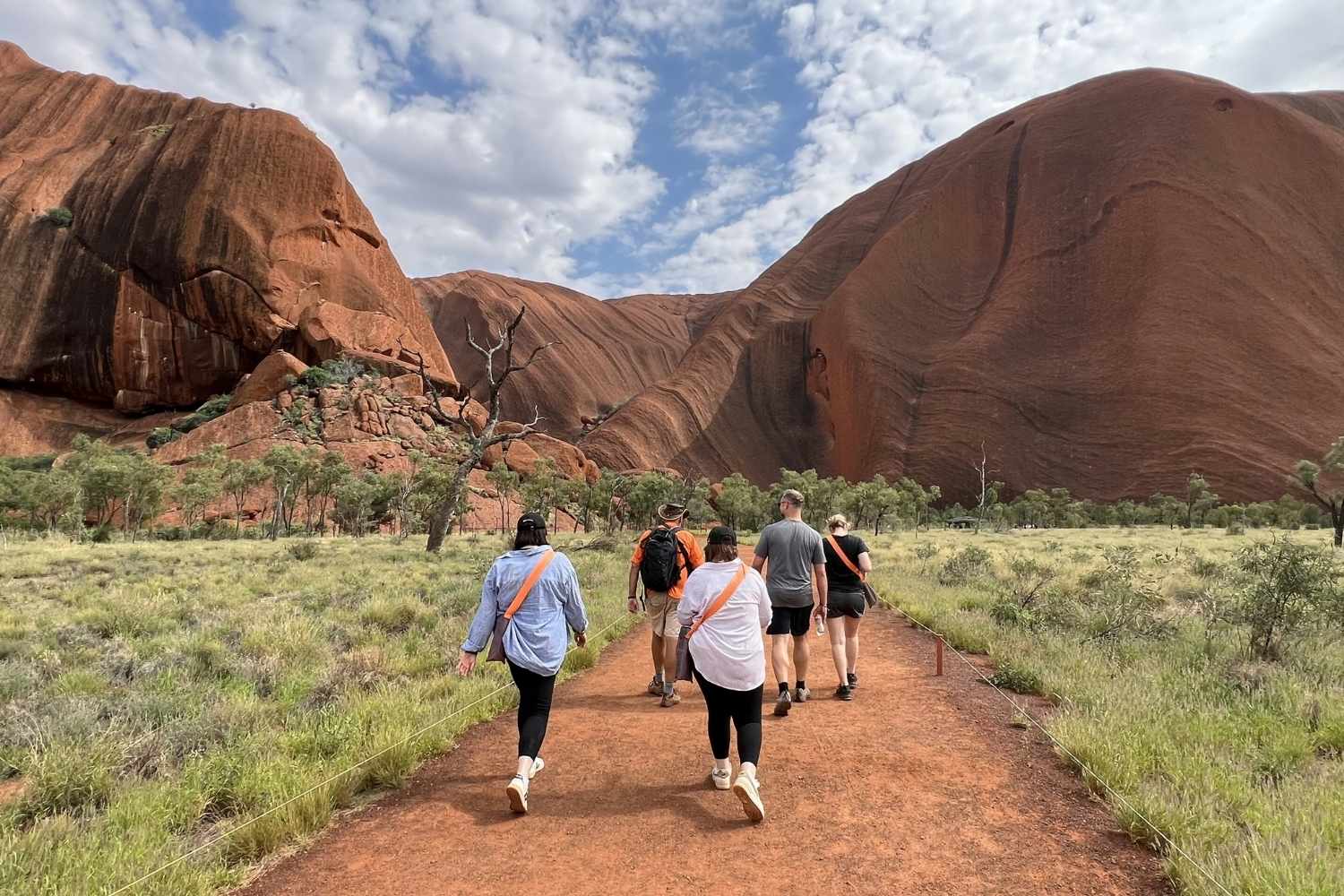
Autumn is one of the most comfortable and underrated times to visit Australia. The weather becomes milder, crowds thin out, and nature begins to change color in southern regions. Temperatures during autumn are pleasant, making sightseeing much more comfortable than in summer. Cities like Sydney, Melbourne, and Adelaide are ideal for walking tours, café hopping, and exploring cultural attractions.
In Victoria and Tasmania, autumn foliage creates beautiful scenery, especially in wine regions and national parks. This season is also popular for food and wine travel, with vineyard tours and harvest-related experiences in places like the Yarra Valley and Barossa Valley. Because autumn falls between peak and low seasons, travelers often enjoy better prices on accommodation and flights while still experiencing excellent weather.
Autumn in Australia is best for:
- City exploration and cultural travel
- Food and wine tours
- Budget-conscious travelers looking for value and comfort
3. Winter in Australia (June – August)

Winter in Australia offers very different experiences depending on the region. While the south becomes cooler, the tropical north enters its best weather period. This is the best time to visit Queensland and the Great Barrier Reef. The weather is dry, sunny, and less humid, creating perfect conditions for diving, snorkeling, sailing, and reef cruises. Visibility underwater is excellent, and marine life is abundant.
For those who enjoy winter sports, the Snowy Mountains in New South Wales and parts of Victoria offer skiing and snowboarding opportunities, something many travelers don’t expect in Australia. Southern cities such as Melbourne, Hobart, and Canberra can be cold and windy, with shorter daylight hours. While not extreme by European standards, it may limit outdoor plans in those areas.
Winter is best for:
- Diving and snorkeling at the Great Barrier Reef
- Exploring Central Australia and the Outback
- Ski lovers looking for a unique Australian winter experience
4. Spring (September – November)
Spring is often considered the overall best time to visit Australia. The weather warms up, landscapes become greener, and tourist crowds remain moderate. Across most regions, spring brings comfortable temperatures and plenty of sunshine without the intense heat of summer. Flowers bloom, national parks look fresh and colorful, and wildlife becomes more active.
It’s an excellent season for road trips along the Great Ocean Road, coastal hikes, city sightseeing, and outdoor adventures. Photographers especially enjoy spring for its natural light and vibrant scenery. Spring also balances affordability and comfort. Prices are usually lower than summer, and popular destinations are less crowded, allowing travelers to explore more freely.
Spring is best time to visit Australia for:
- Road trips and scenic drives
- Outdoor activities like hiking and cycling
- Photography and nature-focused travel
Best Time to Visit Australia by Region
While Australia’s climate can be broadly categorized into four seasons, it’s important to remember that the country spans a vast area, and the climate varies significantly from region to region. Here’s a breakdown of the best times to visit different parts of Australia:
1. Sydney and the East Coast (New South Wales, Queensland)
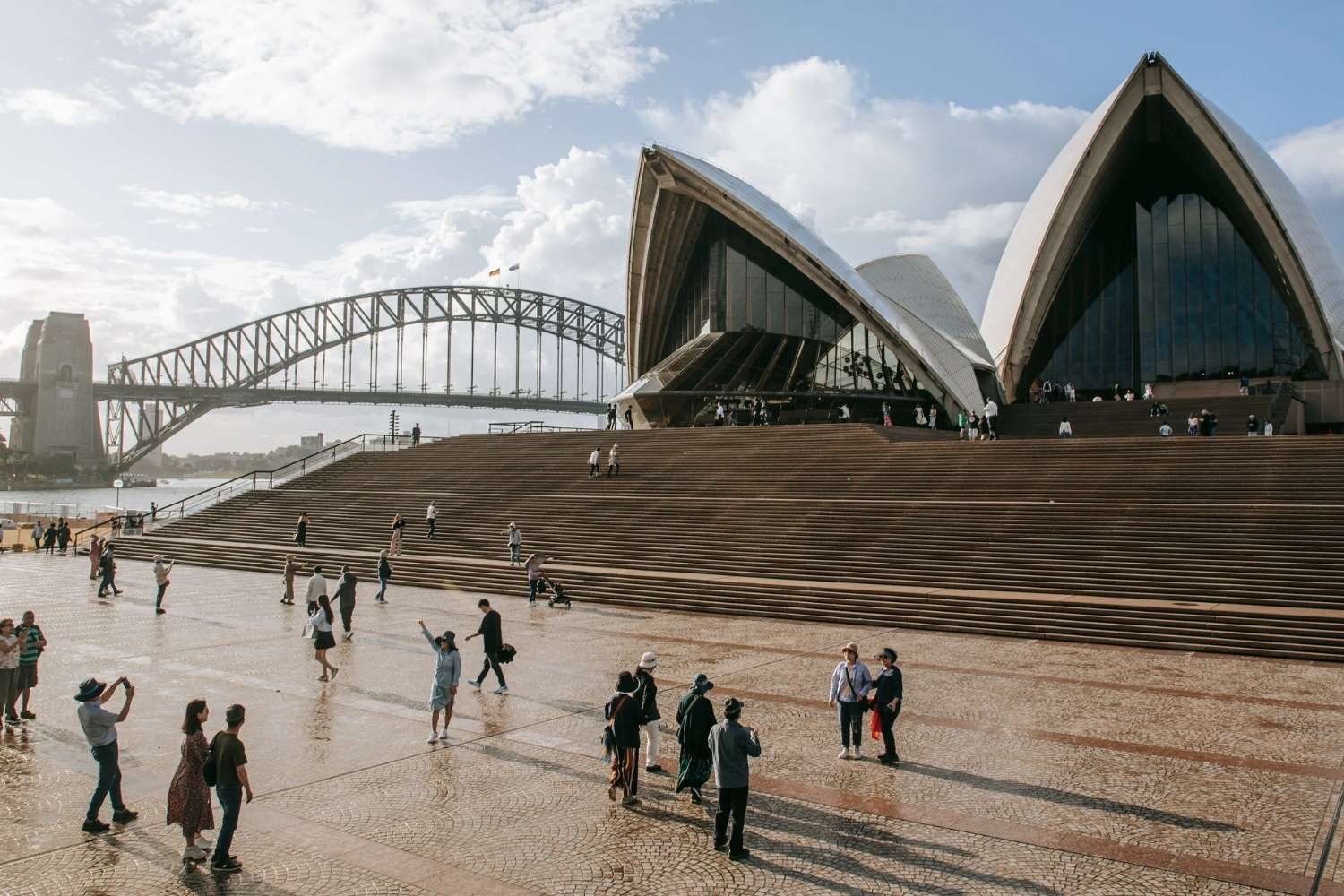
Sydney and Australia’s East Coast are among the country’s most popular travel destinations, offering a perfect blend of vibrant city life and breathtaking coastal scenery. Visitors can enjoy modern cities, beautiful beaches, and a wide range of cultural experiences.
The best time to visit Sydney is during spring (September to November) and autumn (March to May), when the weather is mild and pleasant:
- Summer (December to February) is ideal for beach lovers, but it can be crowded, especially around Christmas and New Year.
- Winter (June to August) in Sydney is relatively mild, with average temperatures ranging from 8°C to 16°C (46°F to 61°F), making it comfortable for sightseeing and outdoor activities.
Festivals and Events to Experience:
- Vivid Sydney (May – June): A spectacular festival of light, music, and ideas that transforms the city at night.
- Sydney Festival (January): A major cultural event featuring performances, exhibitions, and shows across the city.
2. Melbourne and Victoria
Melbourne is famous for its creative arts scene, world-class coffee culture, and slightly cooler climate compared to other Australian cities. It’s a lively destination all year round, offering everything from cultural attractions to scenic coastal drives and countryside escapes in Victoria.
The best time to visit Melbourne is in spring (September to November) and autumn (March to May), when temperatures are comfortable and rainfall is lower.
- Summer (December to February) can be quite hot, especially in January, with temperatures often exceeding 30°C (86°F).
- Winter (June to August) is cool but manageable, with average temperatures between 6°C and 14°C (43°F to 57°F), making it a great season to enjoy Melbourne’s cozy cafés and indoor attractions.
Festivals and Events to Experience:
- Melbourne International Comedy Festival (March – April): One of the largest comedy festivals in the world, featuring local and international performers.
- Moomba Festival (March): A lively celebration with music performances, parades, water sports, and fireworks along the Yarra River.
- Melbourne International Film Festival (August): A major cultural event showcasing films from Australia and around the globe.
3. Queensland (Great Barrier Reef and the Whitsundays)
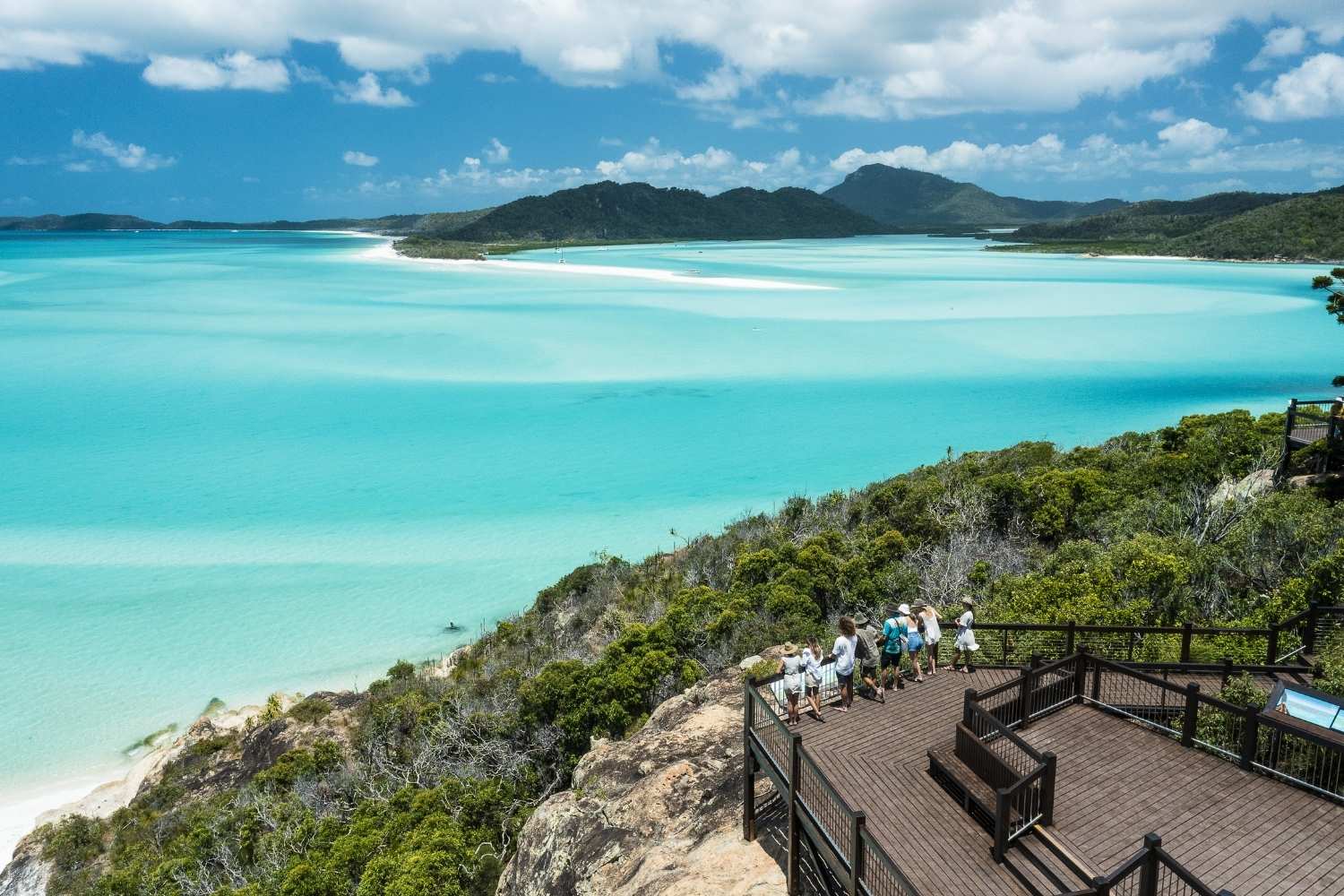
Queensland is home to some of Australia’s most iconic natural attractions, including the Great Barrier Reef, the Whitsunday Islands, and ancient rainforests. With its tropical climate and crystal-clear waters, it’s an ideal destination for beach lovers, divers, and outdoor adventurers.
The best time to visit Queensland is during the dry season from April to October, when temperatures are pleasant and humidity is lower. Summer (December to March) brings hotter, more humid weather and the chance of tropical storms, which can affect outdoor and marine activities.
Festivals and Events to Experience:
- Noosa Food & Wine Festival (May): A popular event showcasing Queensland’s best cuisine, wines, and chefs.
- Cairns Indigenous Art Fair (July): A celebration of Aboriginal and Torres Strait Islander culture, art, and performances.
- Airlie Beach Festival of Music (November): A lively music festival in the Whitsundays with local and international artists.
4. The Outback and Central Australia
The Australian Outback offers a completely different experience from the coast, featuring vast desert landscapes and sacred landmarks such as Uluru, Kata Tjuta, and Alice Springs. It’s perfect for travelers seeking culture, history, and a true sense of Australia’s remote beauty.
The ideal time to explore the Outback is from April to October, when daytime temperatures are cooler and evenings are crisp. Summer (December to February) can be extremely hot, often exceeding 40°C (104°F), making outdoor activities difficult and potentially unsafe.
Festivals and Events to Experience:
- Henley-on-Todd Regatta (August): A unique, dry-river “boat race” festival held in Alice Springs with races and entertainment.
- Tjungu Festival (April): A cultural celebration near Uluru featuring Aboriginal music, dance, storytelling, and art.
5. Tasmania

Tasmania, Australia’s island state, is famous for its dramatic landscapes, national parks, and diverse wildlife. It’s an excellent destination for hiking, food lovers, and anyone looking to experience untouched nature and fresh coastal air.
Summer (December to February) is the best time to explore Tasmania, with mild temperatures averaging 17°C to 23°C (63°F to 73°F). Spring and autumn (September to November and March to May) are also great for outdoor activities, offering cool, comfortable weather and fewer crowds.
Festivals and Events to Experience:
- Tassie Food & Wine Festival (January): A showcase of Tasmania’s local produce, seafood, and wines.
- Festivale, Launceston (February): A celebration of regional food, wine, and live music.
- MONA FOMA (January): A unique arts and music festival hosted by the Museum of Old and New Art in Hobart.
Best Time to Visit Australia Based on Travel Goals
Choosing the best time to visit Australia depends not only on weather, but also on what kind of experience you are looking for. Whether you want perfect beach days, world-class diving, vibrant festivals, wildlife encounters, or a budget-friendly trip, timing can significantly shape your journey.
1. Best Time for Beaches
Australia is world-famous for its beaches, but the ideal time varies between the north and the south due to climate differences.
Southern Australia (Sydney, Melbourne, Adelaide, Perth):
The best time for beach holidays in southern regions is from December to March. During summer, ocean temperatures are warm, days are long and sunny, and beach culture is at its peak. Popular spots like Bondi Beach, Manly, and St Kilda are lively and energetic. However, this is also peak tourist season. Expect higher accommodation prices and crowded beaches, especially during Christmas and January school holidays.
North Queensland (Great Barrier Reef, Cairns, Whitsundays):
The best beach weather in the north is from May to October, during the dry season. Humidity is lower, skies are clear, and marine conditions are more stable. This period also reduces the risk of tropical storms and heavy rainfall. If beaches are your top priority, choose your timing based on the region rather than the calendar alone.
2. Best Time for Diving the Great Barrier Reef

For diving and snorkeling enthusiasts, timing is crucial for visibility and comfort. The ideal period is June to October. During these months:
- The weather is dry and sunny
- Humidity is low
- Underwater visibility is excellent
- Sea conditions are generally calmer
This season also avoids the peak of the marine stinger season, which is more common during the hotter months (November to May). While diving is possible year-round, winter and early spring offer the most comfortable and reliable conditions for exploring the reef.
3. Best Time for Festivals
Festival travel offers unforgettable experiences, but be prepared to book accommodation early, as demand increases significantly. Australia hosts vibrant cultural, food, and arts festivals throughout the year. If you enjoy events and lively atmospheres, consider planning around these peak festival months:
January:
- Sydney Festival
- Australia Day celebrations (January 26)
March:
- Moomba Festival (Melbourne)
- Adelaide Festival
May – June:
- Vivid Sydney
A spectacular festival of light, music, and creativity that transforms Sydney’s skyline.
4. Best Time for Wildlife Experiences

Australia’s wildlife is unique, and certain seasons offer better viewing opportunities.
- Whale Watching (May – November): This is the prime migration season along the east and west coasts. Locations such as Hervey Bay, Byron Bay, and Sydney provide excellent whale-watching tours during these months.
- Kangaroos and Wildlife Parks (Year-round): Kangaroos, koalas, and other native animals can be seen throughout the year in national parks and wildlife sanctuaries. Early mornings and late afternoons generally offer better wildlife activity regardless of season.
5. Best Time for Budget Travel
If saving money is important, avoid peak summer holidays and major event periods. The best times for budget-friendly travel are during the shoulder seasons: March to May and September to November. During these months:
- Airfares and hotel prices are generally lower
- Tourist attractions are less crowded
- Weather remains pleasant across most regions
Shoulder seasons provide the best balance between cost, comfort, and accessibility. For many travelers, this is the smartest time to visit Australia overall.
What to Pack Based on the Season?
When planning your trip to Australia, it’s important to pack appropriately for the weather and region you’re visiting. Here’s a quick guide to packing:
- Summer (December to February): Light, breathable clothing, sunscreen, sunglasses, a hat, and swimwear are essential, especially for coastal and tropical areas. Don’t forget insect repellent for the northern regions.
- Autumn (March to May): Light layers, a jacket for the evenings, and comfortable shoes for outdoor activities. A hat or scarf may come in handy.
- Winter (June to August): Layered clothing, a warm jacket, and comfortable shoes, especially for cooler regions. If you’re visiting ski areas in the Alps, pack ski gear.
- Spring (September to November): Similar to autumn, light layers, comfortable shoes, and a jacket for cooler evenings.
The best time to visit Australia ultimately depends on your interests and the specific regions you plan to explore. If you’re looking for warm beach weather, summer on the east coast is ideal, while those seeking cooler temperatures for outdoor adventures should consider spring or autumn. Additionally, the many festivals and cultural events held throughout the year add an extra layer of excitement to your trip, making any time you choose to visit an opportunity to experience Australia’s rich cultural heritage. By understanding the regional climates, weather patterns, and festivals, you can make the most of your trip, ensuring that you visit during the perfect time to enjoy everything this beautiful country has to offer.


0 Comment