
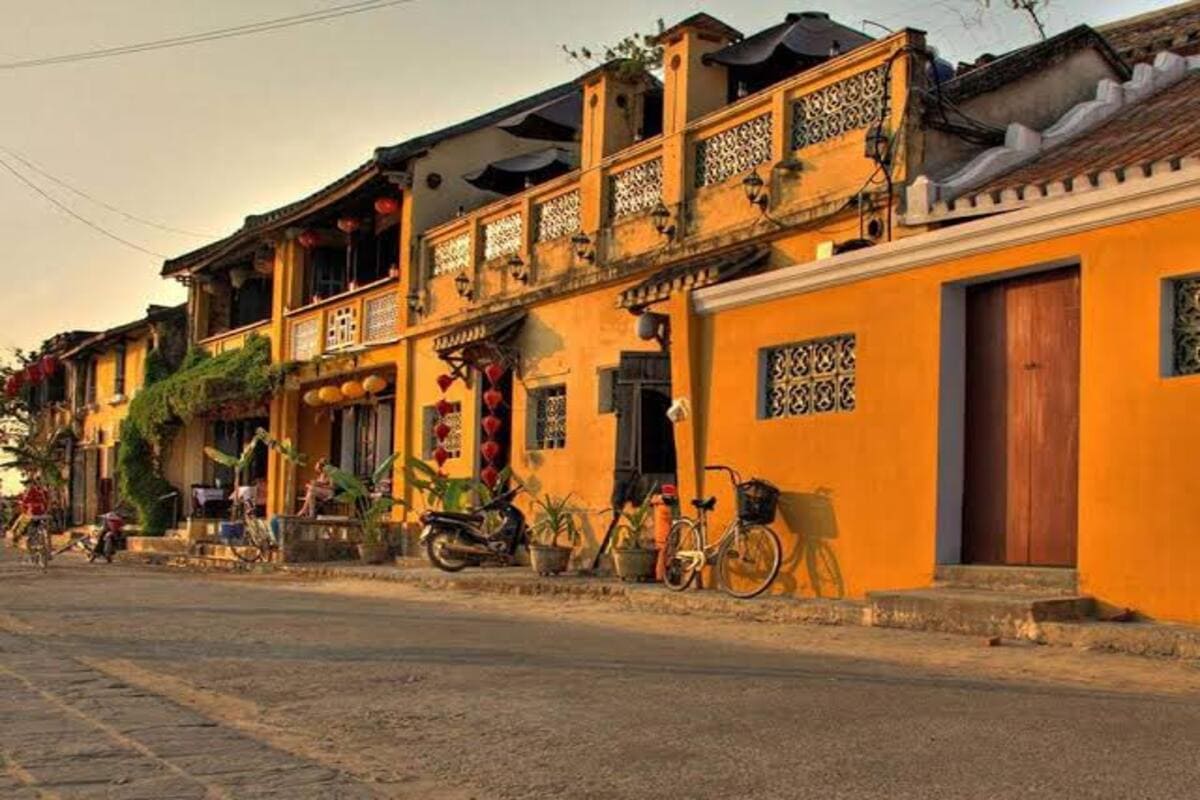

A private shore excursion works best when it begins with a clear brief. A driver, guide and vehicle are only part of the arrangement; the real task is building a day that fits your ship’s schedule, your interests and the needs of everyone travelling with you.
For travellers researching a Vietnam local tour company, it helps to distinguish a general day tour from a programme designed around a cruise call. Local knowledge can connect you with food, neighbourhoods and cultural experiences, but the booking also needs to address port access, pickup procedures and the return to the vessel.
The following steps will help you request, compare and refine private shore excursions in Vietnam without turning the process into a long list of attractions.
Write a useful enquiry before requesting a route
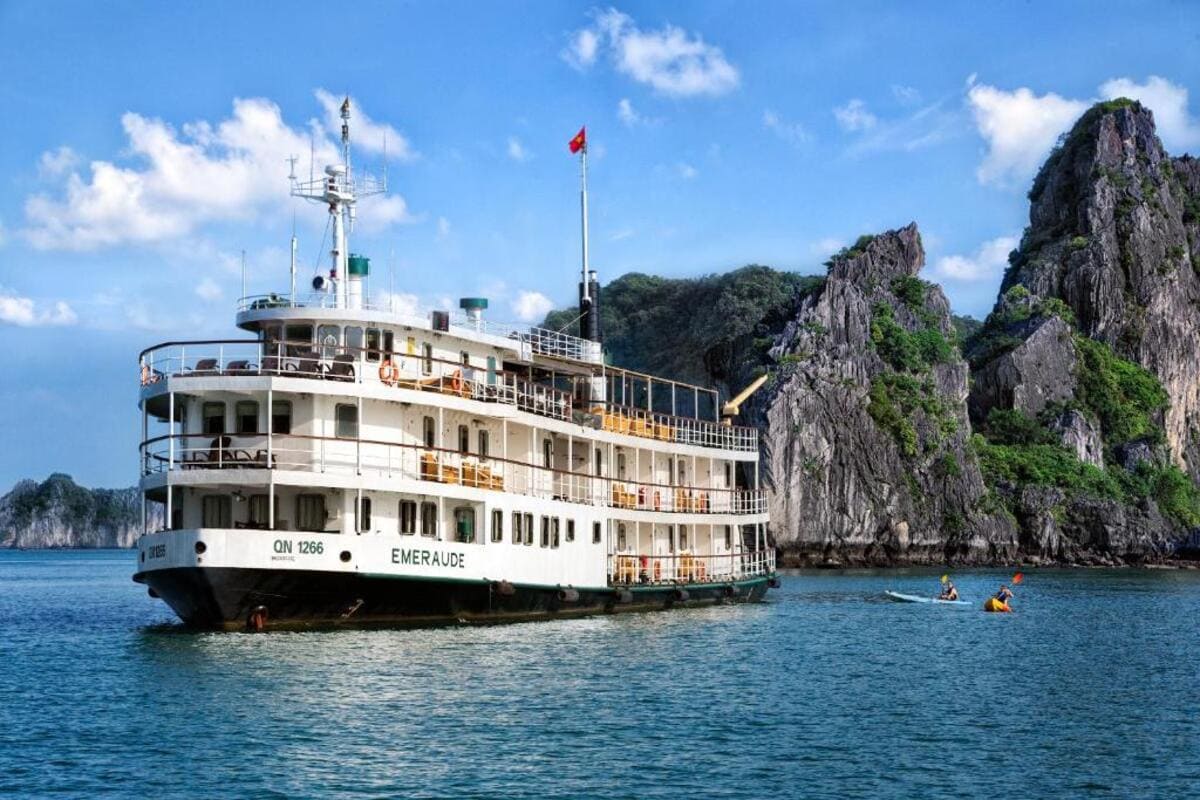
Start with the information a planner needs to assess feasibility. Give the cruise line, ship name, visit date and confirmed port or terminal. Include the scheduled arrival and departure, while making clear that passenger access and all-aboard instructions may differ from those times.
Then describe the group: number of adults and children, preferred language, walking ability and any dietary requirements. Explain the experience you most want, such as a heritage visit with a local lunch or a cultural walk without extensive shopping.
Separate priorities from optional interests
Choose one essential activity and one secondary interest. Mention anything you would happily skip. A planner can work more effectively with “Hoi An history and a seated regional meal, with shopping optional” than with ten unrelated landmarks.
If you are travelling with friends from the ship, agree on these priorities before asking for a quotation. Otherwise, the route may be revised several times because each person imagines a different day. One group contact can collect questions and keep the final instructions consistent.
Ask how the pickup will actually work
“Pickup at the port” needs a precise explanation. Depending on the call, passengers may meet the guide at a terminal, a permitted gate or another designated location. A tender or shuttle can add another stage before the excursion begins.
Request written meeting instructions that you can use without a live internet connection. They should explain the location, how to identify the guide and what to do if disembarkation takes longer than expected.
Clarify access and communication
Ask whether the vehicle and guide have confirmed access to the proposed meeting point. If access depends on a permit or final port arrangements, establish when the provider will reconfirm it.
Exchange an emergency contact method and identify the person responsible for monitoring changes. Also ask how the operator handles a ship arriving at a different berth. A clear answer is more useful than a general promise that everything will be arranged.
Build the route around a realistic time budget
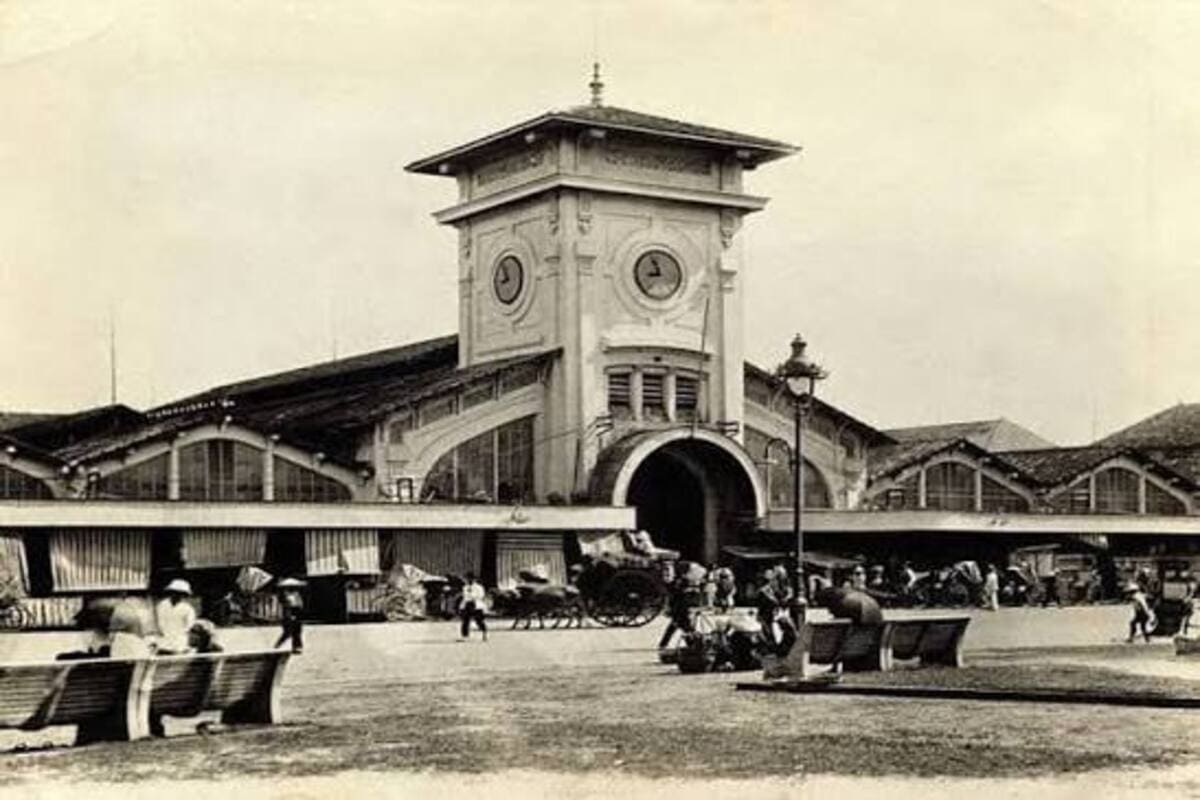
Request a schedule that shows transfers, sightseeing, the meal and the planned return. It should also identify which activities can be shortened or removed if the start is delayed.
The return plan should be based on your cruise line’s actual requirements. Confirm whether meeting times use ship’s time or local time, and check again on board. Do not assume that every provider or passenger is using the same clock.
Design flexibility into the day
A good route can have a main plan and a shorter version. For example, a heritage walk and lunch might remain central, while an additional market visit becomes optional. This gives the guide a practical decision to make if traffic or access changes.
Ask what would trigger a change. The answer might involve a delayed departure from the port, road conditions or an activity becoming unavailable. Flexibility is more useful when the group understands the reason for it before the day begins.
Compare quotations by what they include
Two private excursions with similar titles may cover different services. Read the inclusions carefully rather than judging the total price alone.
Check the vehicle arrangement, guide service, entrance tickets, meal, drinking water and any port-related charges. Ask whether an advertised activity is included or available at additional cost. If the meal is covered, request an outline of the format rather than assuming it includes every drink or special order.
Make the payment terms easy to understand
Confirm the currency, deposit, payment deadline and remaining balance. Ask how cancellation works if the cruise changes or misses the port call, and distinguish that situation from a passenger deciding not to travel.
Weather, tender disruption and itinerary changes may be treated differently. Read the written terms for the actual booking. If they are unclear, ask for clarification before paying rather than relying on a description elsewhere on the website.
Choose local experiences that fit a cruise day
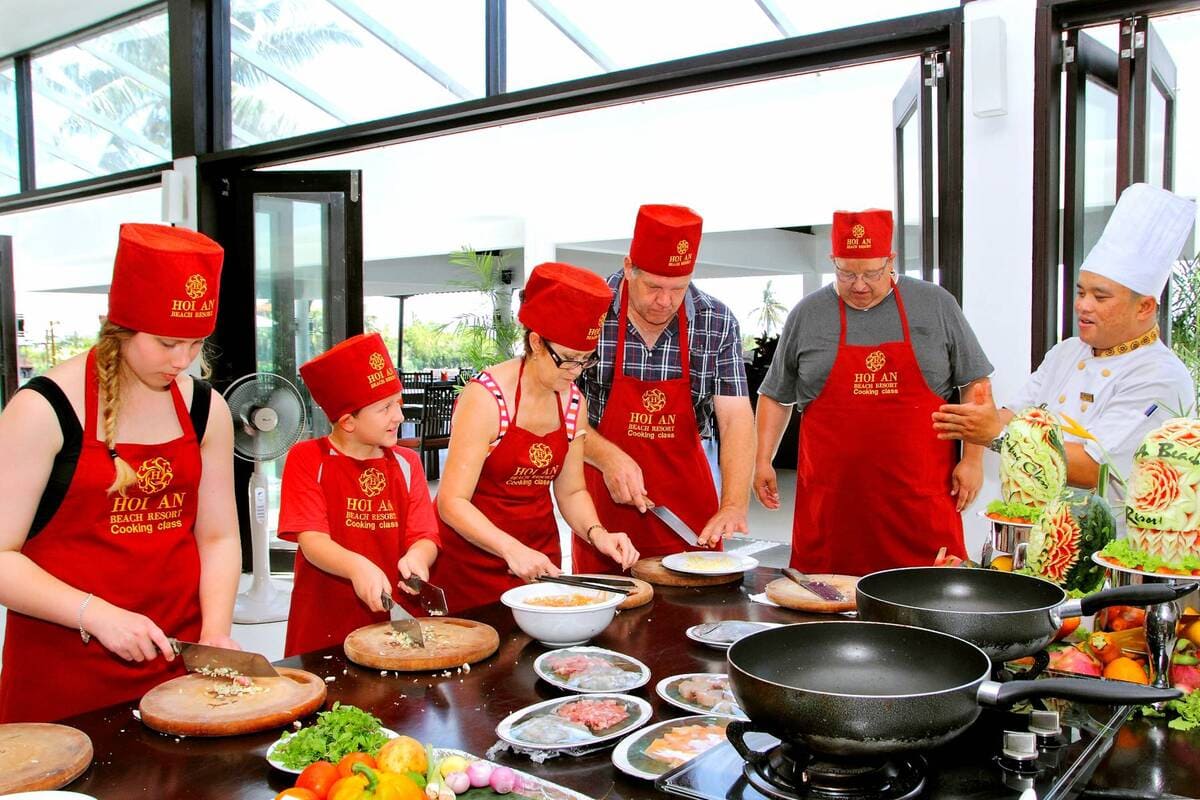
A private tour can make a familiar destination more personal by choosing an experience that reflects your interests. The aim is to improve the time spent on the ground, rather than simply adding stops.
In a historic town, you might ask for a walk that concentrates on one theme and leaves space for questions. For a food-focused day, request a manageable tasting or seated lunch with explanations. A short craft visit can introduce a technique without requiring a full workshop.
Give the guide something specific to work with
Tell the planner what you already know and what you would like to understand. A photographer may prefer time in one street; a returning visitor may want a new neighbourhood; a family may enjoy a simple hands-on activity.
Where a visit involves a workshop or local household, ask how it is arranged and whether participation is confirmed. An encounter should be welcomed by the people involved. A genuine conversation often comes from a suitable setting and enough time, rather than a promise to visit somewhere “untouched.”
Translate the brief into a Vietnam route
The same planning approach produces different programmes at different calls. From a Da Nang-area arrival, a Hoi An-focused request might combine a heritage walk with a regional lunch, keeping a countryside activity optional. For a Hue programme, ask the planner to select a main historic visit rather than include every monument mentioned in a brochure.
At a Phu My call, decide whether Ho Chi Minh City is the main purpose of the day before discussing additional stops. A market visit or food experience within a focused city route can provide a local connection without sending the group in another direction. At Ha Long, establish whether time on the bay or a land-based experience is your priority.
These examples are starting briefs, not fixed itineraries. The provider should adapt them to the confirmed berth and schedule. The useful common thread is a clear local interest supported by a practical cruise-day route.
Match the vehicle and walking route to your group
Vehicle size alone does not describe comfort. Ask about seat availability, air-conditioning and the space required for mobility aids or other belongings. If someone finds vehicle steps difficult, discuss that before the final arrangement.
For sightseeing, request details of walking distances, surfaces, stairs and rest opportunities. A route that seems easy on a map may involve prolonged standing or several short walks that add up over the day.
Plan lunch before everyone becomes tired
A timely meal can keep the group comfortable and prevent the afternoon from feeling rushed. Explain allergies and food preferences during the enquiry, then confirm how they will be handled.
Avoid using lunch as an additional distant destination unless food is the main purpose of the excursion. A suitable restaurant within the route may give you more time to enjoy both the meal and the surrounding place.
Confirm responsibilities before departure
Ask what assistance the provider offers if an independent excursion is delayed, and read the specific terms. Return-to-ship promises, missed-ship assistance and cruise-line protections are different arrangements; none should be assumed from the word “private.”
Keep a copy of the final route, meeting instructions and contact details. The day before the visit, reconfirm any information that depends on the vessel’s actual arrival arrangements. Once aboard, follow the cruise line’s instructions for documents and all-aboard timing.
Use the same interests to shape a future local tour
A well-planned shore excursion can also be a useful starting point for a longer Vietnam journey. The booking process reveals what suits your group: fewer transfers, a particular food interest, time for photography or a guide who can explain heritage in detail.
Those preferences transfer naturally to land-based travel, even though the schedule is different. A short tasting can become a cooking experience, and an introductory town walk can become a multi-day regional stay. Ask about these possibilities separately, allowing for hotels, onward transport and the actual start and end of your cruise.
The most effective private excursion is one you can understand before you book. When the route, inclusions and responsibilities are clear, you can spend the day paying attention to Vietnam rather than managing unanswered logistical questions.


0 Comment