

For many cruise travelers, a shore excursion is no longer just a checklist of landmarks or a quick photo stop before returning to the ship. Increasingly, ports of call are becoming gateways to deeper understanding places where history, culture, and learning intersect. In this context, shore excursion destinations that integrate experiential learning are gaining strong attention, especially among families, educators, and organized youth groups seeking an educational school trip that combines travel with purpose through platforms like educational school trip.
Rather than passive sightseeing, today’s most compelling shore excursion destinations offer curated encounters with local communities, heritage sites, ecosystems, and living traditions. These destinations transform short port visits into meaningful experiences that extend beyond the cruise itinerary itself.
Why Shore Excursion Destinations Are Evolving Beyond Traditional Sightseeing?
The global cruise industry has witnessed a clear shift in traveler expectations. According to the Cruise Lines International Association (CLIA), experiential travel defined as immersive, authentic, and educational experiences is now a top motivator for shore excursion choices. This trend is particularly evident in destinations that can deliver cultural depth within limited time frames.
Shore excursion destinations that succeed today are those capable of offering layered narratives: historical context, local perspectives, and interactive elements that engage travelers intellectually as well as emotionally. This evolution aligns closely with educational travel principles, where learning outcomes are embedded naturally into the journey rather than imposed as formal instruction.
For students and younger travelers, exposure to real-world environments, historic cities, archaeological sites, traditional craft villages, or ecological reserves creates learning retention far stronger than classroom-based study. Even for adult travelers, these destinations provide intellectual enrichment that elevates the overall cruise experience.
Shore Excursion Destinations in Asia That Blend Culture, History, and Learning
Southeast Asia: Living Classrooms at the Port Gate
Southeast Asia has emerged as one of the most versatile regions for educational-focused shore excursions. Ports such as Ho Chi Minh City, Da Nang, and Bangkok serve as immediate access points to centuries of layered history, colonial influence, and living traditions.
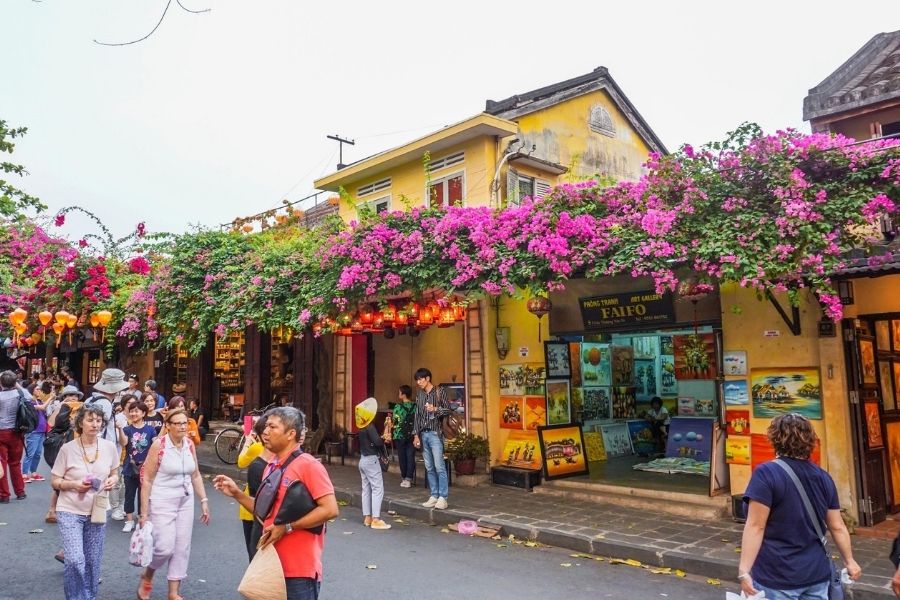
In Vietnam, shore excursion destinations around Da Nang and Hoi An offer far more than heritage sightseeing. UNESCO-recognized old towns, traditional craft villages, and local culinary workshops provide hands-on cultural learning. Students visiting from cruise ships can explore architecture influenced by Chinese, Japanese, and French styles while understanding how trade routes shaped regional identity.
Similarly, shore excursions from Ho Chi Minh City frequently include visits to war museums, Cu Chi Tunnels, and local schools or social enterprises. These experiences support structured educational objectives related to modern history, conflict studies, and socio-economic development in post-war Southeast Asia.
Japan: Precision, Tradition, and Cultural Continuity
Japan’s shore excursion destinations are particularly valued for their balance of tradition and innovation. Ports such as Yokohama, Kobe, and Nagasaki allow travelers to explore temples, historical districts, and peace memorials within short travel distances.
Educationally, Japan offers a unique lens into cultural continuity. Visits to Hiroshima Peace Memorial Park, for example, serve as powerful learning environments for discussions on global conflict, reconciliation, and peace studies. In Kyoto or Nara, excursions often integrate guided interpretation of Shinto and Buddhist practices, traditional arts, and urban planning rooted in centuries-old philosophy.
For school groups, these shore excursion destinations align naturally with curriculum topics in world history, ethics, and cultural studies, making them ideal extensions of classroom learning.
European Shore Excursion Destinations as Open-Air Museums
Northern European shore excursion destinations increasingly emphasize sustainability and social history. Ports such as Copenhagen, Stockholm, and Amsterdam integrate lessons on urban planning, environmental policy, and social welfare models.
In Amsterdam, excursions often include visits to Anne Frank House, museums focused on maritime trade, and canal systems that reflect centuries of adaptive urban design. These experiences support interdisciplinary learning, linking history with geography, ethics, and modern civic responsibility.
Shore Excursion Destinations in the Americas Offering Experiential Education
North America: Cultural Diversity and Living History
Shore excursion destinations in North America are uniquely positioned to highlight cultural diversity and modern history. Ports like New Orleans, Boston, and San Francisco provide access to narratives of migration, civil rights, and industrial development.
New Orleans excursions often combine music history, Creole culture, and social studies, while Boston serves as a cornerstone for understanding early American history and political evolution. These destinations are frequently used by educational travel organizers to illustrate how historical events continue to shape contemporary society.
Latin America: Indigenous Knowledge and Natural Sciences
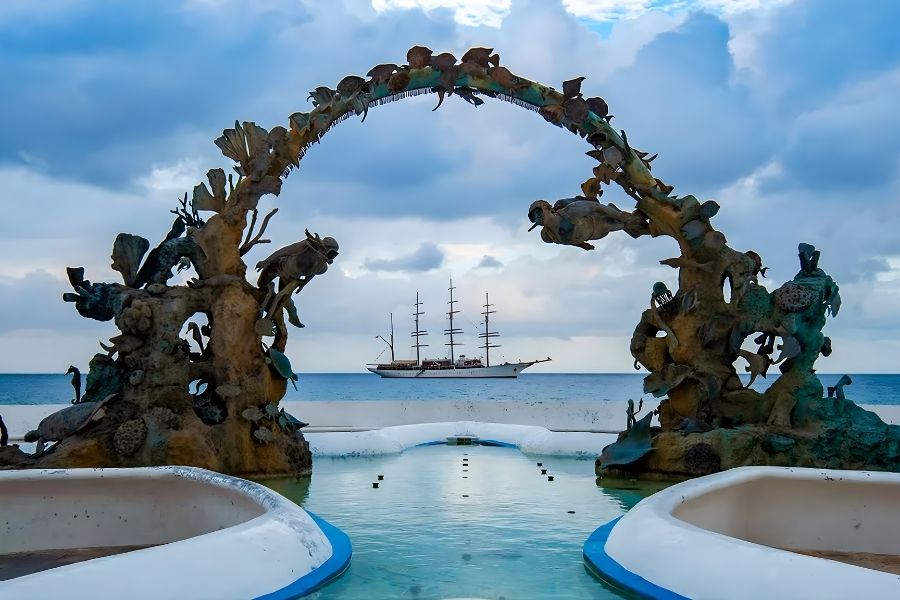
Latin American shore excursion destinations stand out for their integration of indigenous heritage and environmental education. Ports such as Cozumel, Cartagena, and Lima allow travelers to explore pre-Columbian civilizations, colonial history, and biodiversity.
In Peru, excursions from Callao to Lima often include museums dedicated to pre-Inca cultures, archaeological sites, and community-based heritage projects. These experiences provide insights into anthropology, archaeology, and cultural preservation subjects that benefit greatly from real-world exposure.
How Shore Excursion Destinations Support Structured Educational Travel
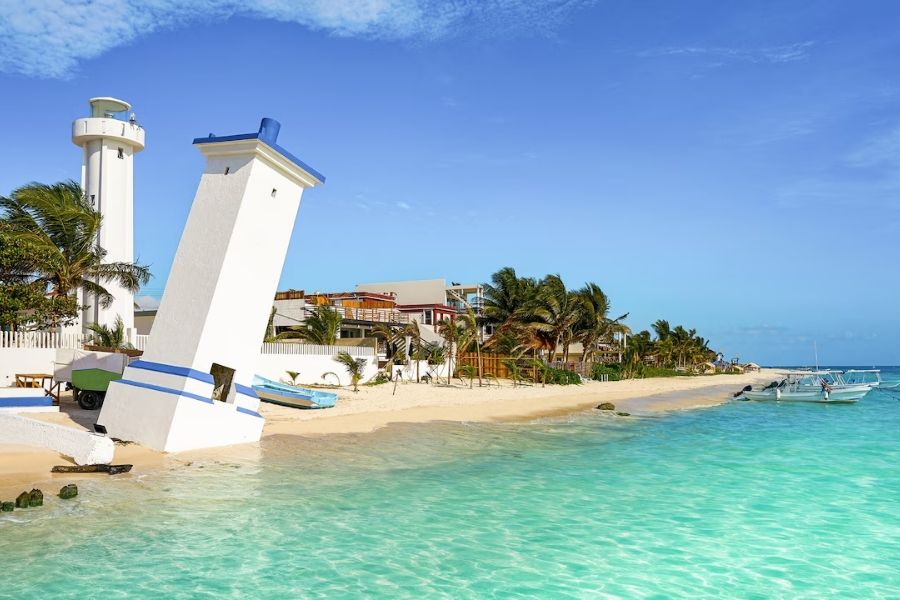
While cruise schedules are often tight, well-designed shore excursion destinations demonstrate that meaningful learning is possible within half-day or full-day formats. Educational travel platforms and destination managers now collaborate to ensure excursions meet safety, educational, and logistical standards required by schools and institutions.
These structured approaches often include:
- Pre-visit learning materials
- On-site expert facilitation
- Reflection components post-excursion
By integrating these elements, shore excursion destinations effectively bridge leisure travel and academic enrichment, creating opportunities for students to engage with global issues in real-world settings.
The Future of Shore Excursion Destinations: Learning as a Core Experience
As travel preferences continue to shift toward purpose-driven journeys, shore excursion destinations that prioritize education, culture, and authenticity are expected to gain long-term relevance. Cruise travelers increasingly seek experiences that leave lasting intellectual and emotional impact rather than fleeting impressions.
For destinations, this evolution presents an opportunity to reposition shore excursions as gateways to deeper understanding where even a few hours ashore can inspire curiosity, global awareness, and lifelong learning.
In this emerging landscape, shore excursion destinations that align with educational values are no longer niche offerings. They represent the future of meaningful travel where every port of call becomes a classroom without walls.


0 Comment