
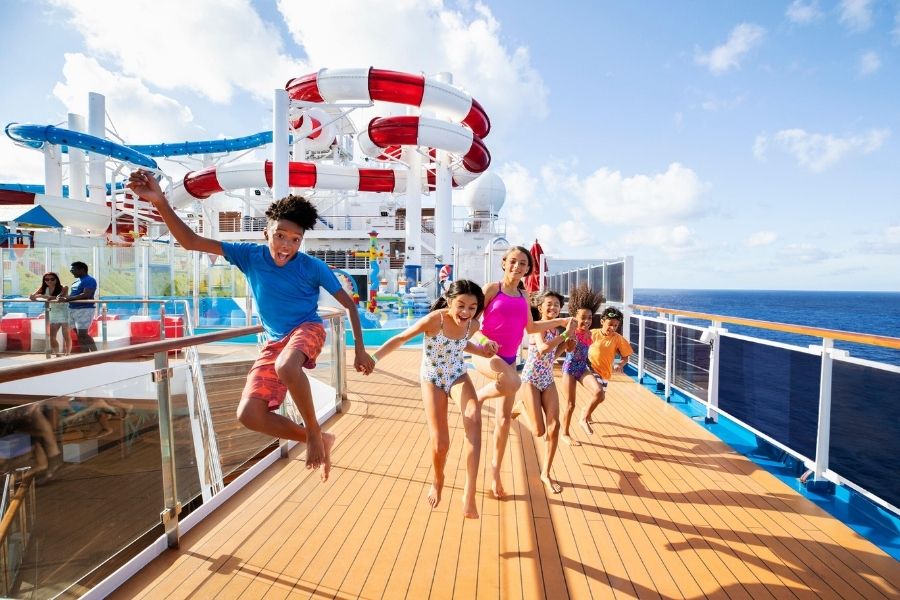

In educational travel today, short shore excursions are no longer viewed as simple sightseeing breaks during a cruise itinerary. When planned intentionally, they become structured learning opportunities that support academic goals, personal development, and cultural awareness. This is especially true when shore excursions are integrated into organized school trips, where every hour ashore must deliver clear educational value. Understanding how to design effective educational shore excursions is therefore essential for educators, tour planners, and institutions seeking meaningful outcomes rather than superficial experiences.
Unlike long study tours, shore excursions operate under strict time constraints. This limitation makes thoughtful design even more critical. A well-designed educational shore excursion does not attempt to show everything; instead, it focuses on depth, relevance, and engagement. The following guide outlines practical steps and expert tips for designing educational shore excursions that truly educate, inspire, and leave a lasting impact on student groups.
Educational Shore Excursions: Defining Clear Learning Objectives Before Planning
The first and most important step in designing educational shore excursions is establishing clear learning objectives. Without defined goals, even the most interesting destination risks becoming a passive experience.
Step 1: Identify academic and developmental goals
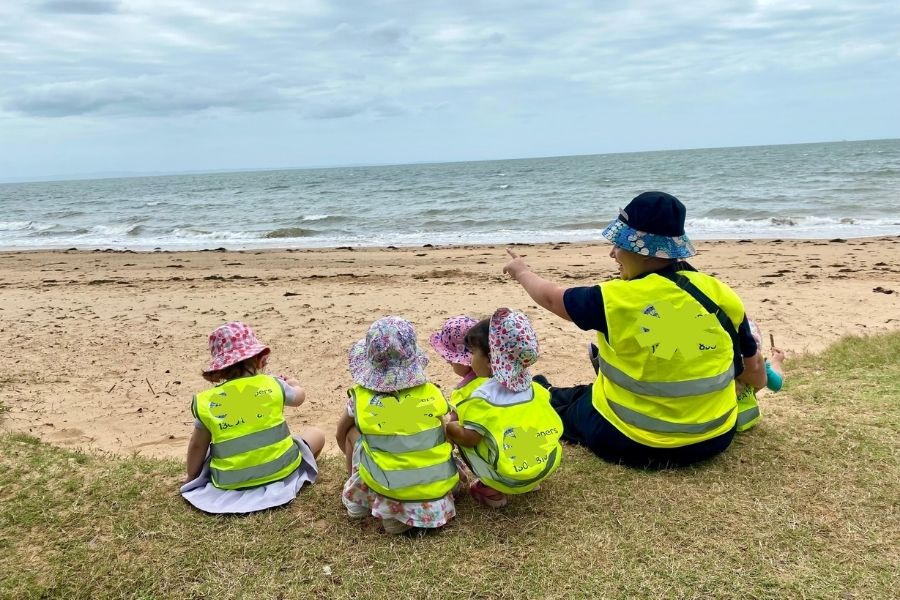
Educational shore excursions should begin with a clear understanding of what students are expected to learn. Objectives may include historical understanding, cultural awareness, environmental literacy, or social studies outcomes. International education frameworks from organizations such as UNESCO and the OECD emphasize outcome-based learning, where experiences are designed around measurable educational goals rather than activities alone.
Step 2: Match objectives to destination strengths
Not every port is suitable for every subject. Historic port cities lend themselves to history and cultural studies, while river ports and coastal areas are ideal for geography and environmental learning. Effective educational shore excursions align learning goals with what the destination can authentically offer, avoiding forced or superficial connections.
Designing Educational Shore Excursions with Curriculum Alignment in Mind

For student groups, educational value must be defensible within formal learning structures. Curriculum alignment is therefore a critical design principle.
Step 3: Map excursions to curriculum standards
Educational shore excursions should support existing curriculum topics rather than introduce disconnected themes. History excursions may reinforce topics such as trade routes, colonization, or cultural exchange. Geography-based excursions can address landforms, climate, and urban development. This alignment allows schools to justify travel as an extension of classroom learning rather than an extracurricular activity.
Step 4: Integrate interdisciplinary learning
Well-designed educational shore excursions often address multiple subjects simultaneously. A visit to a historic port, for example, may combine history, economics, geography, and civic education. Interdisciplinary learning reflects real-world complexity and aligns with modern educational approaches that prioritize systems thinking and contextual understanding.
Educational Shore Excursions Tips for Engaging Students On Site
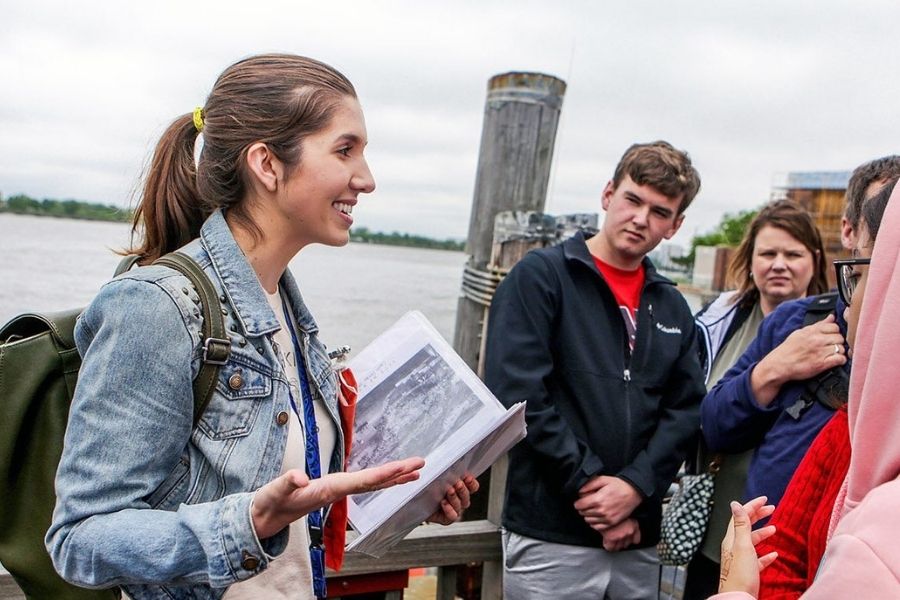
Student engagement determines whether an excursion becomes a learning experience or a missed opportunity. Designing for engagement requires more than information delivery.
Step 5: Prioritize guided interpretation over passive touring
Educational shore excursions benefit greatly from knowledgeable guides who understand both the destination and the student audience. Guided interpretation transforms observation into understanding by connecting visible elements to broader academic themes. According to experiential learning research, interpretation and storytelling significantly increase retention and comprehension.
Step 6: Encourage observation and inquiry
Rather than overwhelming students with facts, effective educational shore excursions prompt learners to observe, compare, and question. Asking students to notice architectural styles, social interactions, or environmental features encourages active engagement. This inquiry-based approach supports critical thinking and aligns with best practices in student-centered education.
Designing Educational Shore Excursions for Cultural Learning
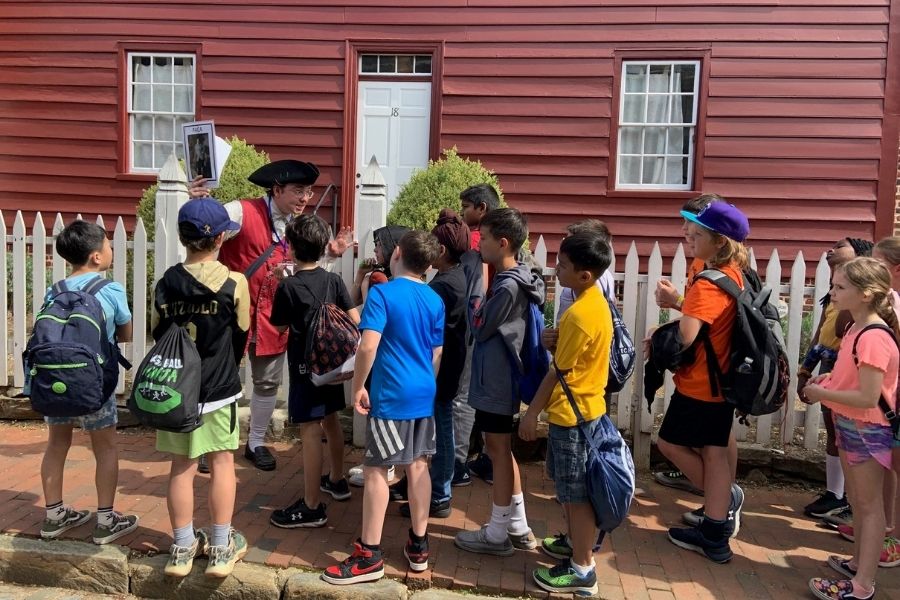
Cultural exposure is one of the most valuable outcomes of student travel, but it must be handled thoughtfully to avoid superficial encounters.
Step 7: Choose authentic cultural settings
Educational shore excursions should prioritize real community spaces over staged attractions whenever possible. Local markets, neighborhoods, workshops, and public spaces provide genuine insight into daily life. Cultural educators note that authenticity is essential for developing cultural sensitivity and global awareness.
Step 8: Provide cultural context and ethical guidance
Students benefit from understanding the cultural norms and historical context of the places they visit. Brief pre-visit explanations help learners interpret what they see respectfully. Ethical engagement such as appropriate behavior at religious sites or in local communities reinforces the educational credibility of shore excursions.
Environmental and Geographic Design Tips for Educational Shore Excursions
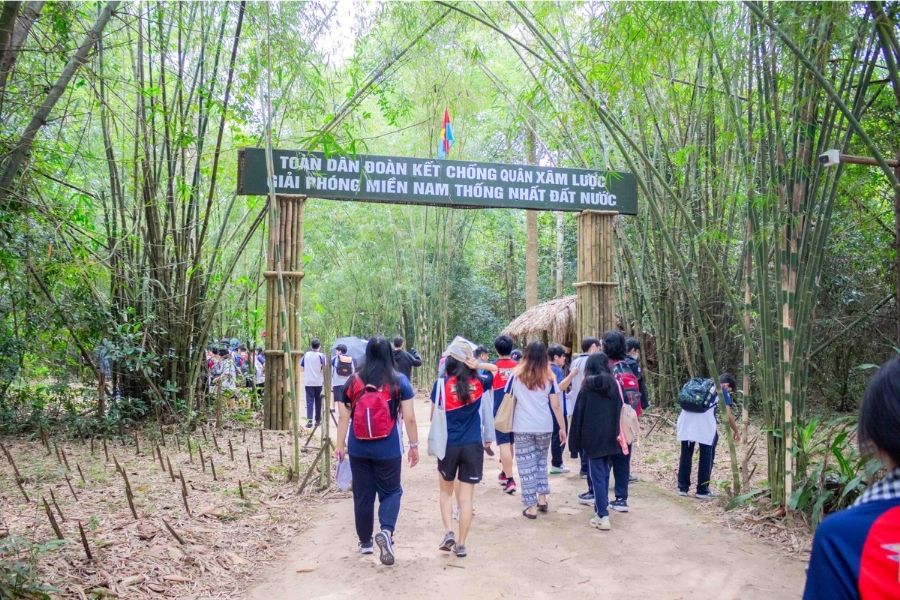
Many ports are located in environmentally significant areas, making them ideal for place-based environmental education.
Step 9: Use the destination as a living classroom
Educational shore excursions should encourage students to observe natural systems directly. Coastal ecosystems, riverbanks, and urban waterfronts illustrate concepts such as biodiversity, land use, and environmental impact. Environmental education research consistently shows that firsthand observation strengthens environmental awareness and responsibility.
Step 10: Connect local observations to global challenges
Effective educational shore excursions help students link what they see locally to global issues such as climate change, conservation, and sustainable development. Organizations like the United Nations World Tourism Organization highlight the role of tourism in sustainability education, making shore excursions valuable platforms for these discussions.
Structuring Educational Shore Excursions: Timing, Flow, and Focus

Time management is a defining challenge of shore excursion design. Educational value depends on how time ashore is structured.
Step 11: Design a focused itinerary
Rather than attempting to cover multiple sites, educational shore excursions should focus on fewer locations explored in greater depth. Educational psychology research suggests that depth of engagement produces stronger learning outcomes than breadth of exposure, especially within limited timeframes.
Step 12: Balance movement and reflection
Effective educational shore excursions alternate between active exploration and moments of pause. Short stops for discussion or observation allow students to process information before moving on. This balance supports cognitive absorption and prevents information overload.
Reflection as a Core Element of Educational Shore Excursions

Learning does not end when students return to the ship. Reflection is essential for transforming experience into understanding.
Step 13: Plan post-excursion reflection activities
Educational shore excursions should include structured reflection, such as group discussions, journals, or follow-up assignments. Reflection encourages students to articulate insights, ask deeper questions, and connect experiences to academic content.
Step 14: Reinforce learning outcomes after travel
Schools and educators can extend the educational value of shore excursions by integrating observations into classroom lessons after the trip. This reinforces learning objectives and validates the excursion as a meaningful educational experience rather than a standalone activity.
A Strategic Approach to Designing Educational Shore Excursions
Designing effective educational shore excursions requires more than selecting interesting destinations. It involves strategic planning, academic alignment, thoughtful engagement, and structured reflection. When these elements are present, short port visits become powerful learning experiences that extend far beyond the ship.
Educational shore excursions demonstrate that meaningful education can occur in brief moments when learning is intentional, contextual, and well-designed. By following a step-by-step approach, educators and planners can ensure that student groups gain lasting academic, cultural, and personal value from every shore experience.


0 Comment