
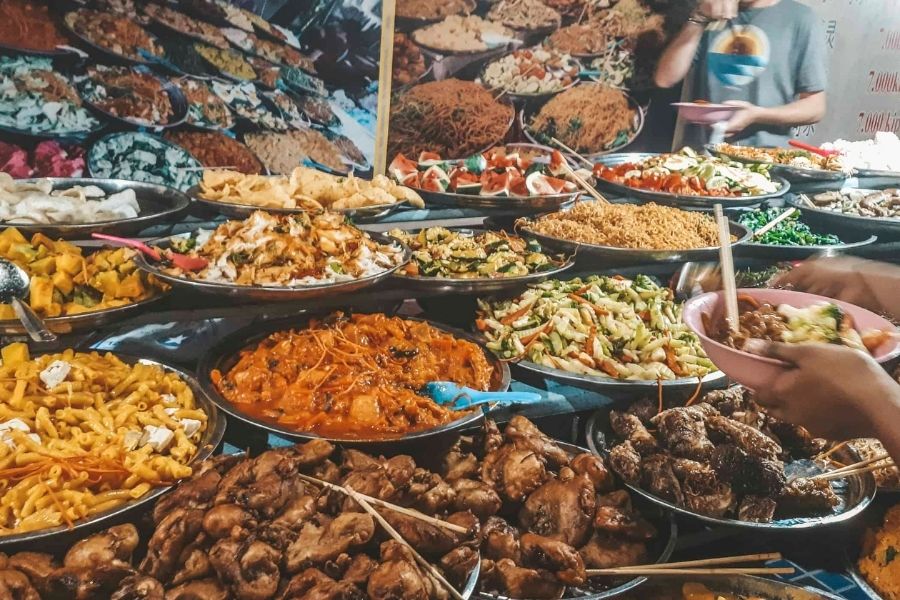

Street food is often the first and most vivid cultural encounter for cruise travelers arriving in Southeast Asia. A short walk from the port can lead to sizzling woks, aromatic broths, and crowded sidewalks where daily life unfolds around food. Yet, while these brief tastings are memorable, they reveal only fragments of local food in Southeast Asia – a culinary world shaped by centuries of trade, migration, climate, and belief. For travelers who wish to move beyond a single bite or hurried stop, extended journeys such as carefully designed indochina tour packages allow the time and cultural context needed to understand how street food truly reflects the soul of the region.
Short shore visits offer a tempting snapshot: colorful dishes, bold flavors, and an atmosphere that feels spontaneous and authentic. However, Southeast Asian street food is not merely about convenience or novelty. It is a living system tied to local economies, family traditions, religious practices, and regional identity. This article explores what can – and cannot – be discovered about local food in Southeast Asia during limited shore excursions, and why deeper culinary understanding requires more than a few hours ashore.
Local Food in Southeast Asia as a Cultural Language
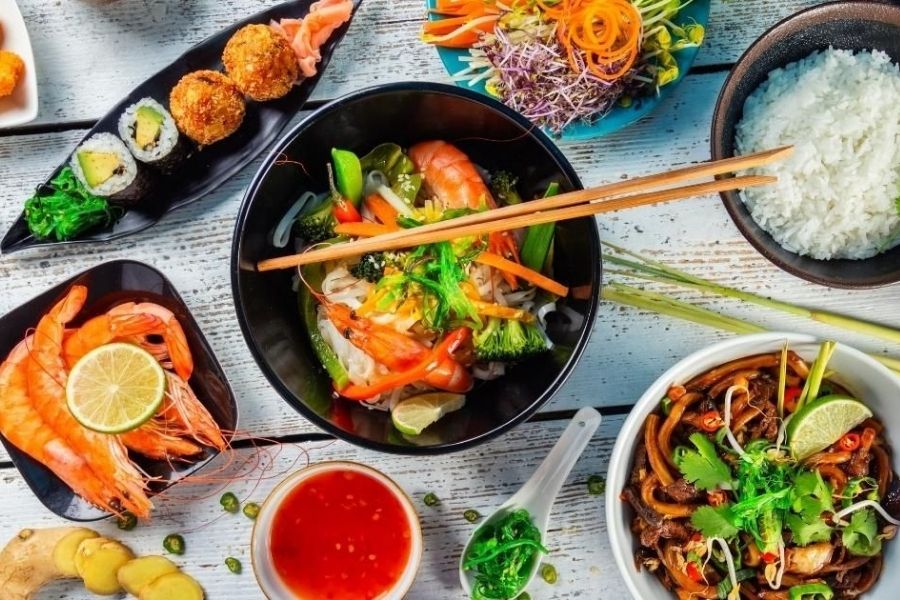
Across Southeast Asia, food functions as a shared cultural language. Markets, street stalls, and mobile vendors serve as social spaces where people connect, negotiate, and maintain traditions. Local food in Southeast Asia reflects historical layers influenced by Chinese migration, Indian spices, Islamic dietary laws, colonial trade routes, and indigenous agricultural practices.
During a short shore visit, travelers may sample well-known dishes, but the cultural meaning behind them often remains unexplored. A bowl of noodle soup or a grilled skewer carries stories of regional adaptation and communal memory. Recipes are rarely written down; instead, they are passed through observation and repetition, often within families who have operated the same stall for generations.
Street food also reflects adaptability. Vendors adjust flavors based on seasonal ingredients, customer preferences, and even the time of day. This flexibility illustrates how local food in Southeast Asia evolves while preserving its core identity – an aspect that becomes clearer with repeated exposure rather than a single tasting.
Street Food and Daily Life Near Cruise Ports
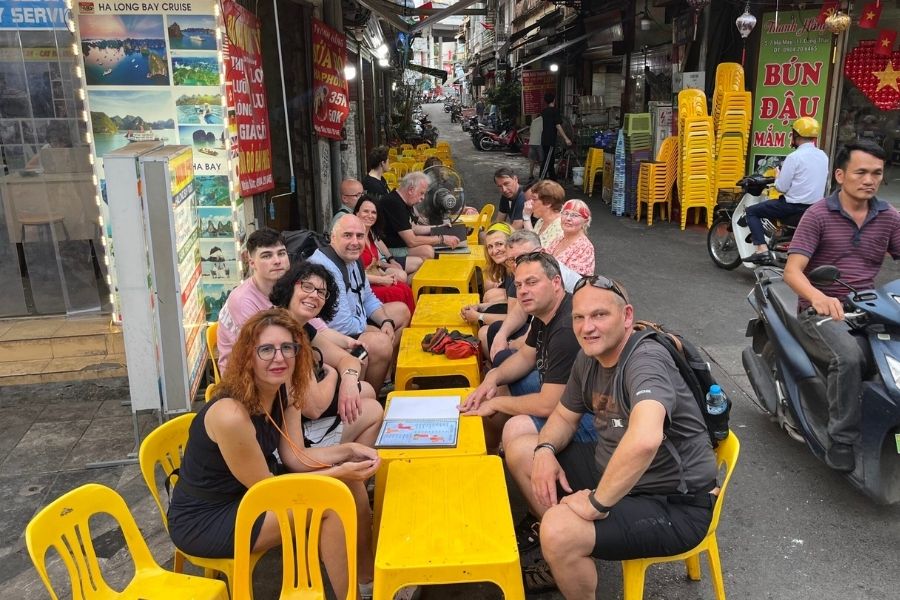
Ports across Southeast Asia are often surrounded by neighborhoods where street food plays a central role in daily routines. Early mornings may feature rice porridge or sticky rice for workers, while afternoons bring snacks designed to withstand heat and humidity. Evenings transform streets into communal dining rooms filled with shared tables and lively conversation.
For cruise passengers, shore excursions typically highlight easily accessible areas near ports. While convenient, these zones may prioritize speed and visibility over authenticity. Understanding local food in Southeast Asia requires recognizing the difference between food prepared for transient visitors and food intended for local communities.
In many cities, the most culturally significant street food scenes unfold away from main tourist corridors. Vendors cater to regular customers, adjusting seasoning without explanation and assuming shared culinary knowledge. These subtle interactions illustrate how food functions as an unspoken social contract – something rarely noticed during brief visits.
Food Safety, Tradition, and Trust
Food safety is a common concern for travelers sampling street food during short shore visits. In Southeast Asia, trust plays a crucial role in food culture. Locals choose stalls based on reputation, ingredient freshness, and preparation practices observed over time.
International organizations such as the World Health Organization emphasize that food safety is closely linked to hygiene education and local infrastructure rather than the formality of the setting. In practice, many long-established street vendors maintain standards equal to or higher than formal restaurants due to constant public scrutiny.
Short visits limit the ability to distinguish between long-standing vendors and those catering primarily to tourists. Extended exposure allows travelers to observe patterns – crowds of local customers, rapid turnover of ingredients, and consistent preparation methods – that signal reliability and cultural authenticity.
Regional Diversity of Local Food in Southeast Asia
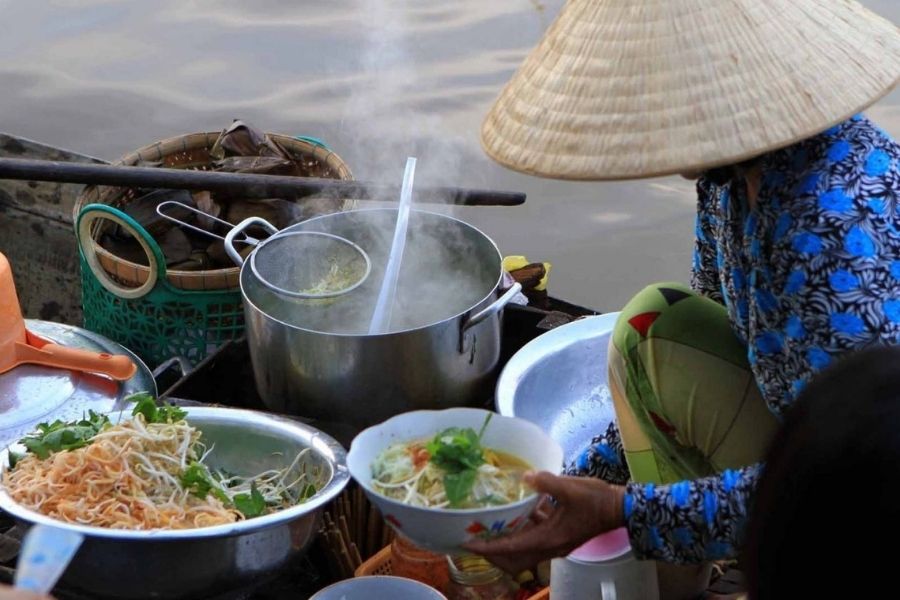
Southeast Asia is not a single culinary entity but a mosaic of regional food cultures shaped by geography and history. Coastal regions emphasize seafood and preservation techniques, while inland areas rely more heavily on fermentation and spice blends designed to withstand tropical climates.
Local food in Southeast Asia varies dramatically between mainland and island regions. Rice dominates many diets, yet preparation methods differ widely, reflecting local water systems, soil conditions, and cultural exchange. Street food becomes a practical expression of these regional adaptations.
During shore excursions, travelers typically encounter a narrow selection of representative dishes. However, these samples rarely convey the full regional context. Understanding why certain flavors dominate or why specific ingredients are avoided requires awareness of local history, religious practices, and agricultural cycles.
The Influence of Trade and Migration
Centuries of maritime trade shaped Southeast Asian street food. Spices, cooking techniques, and ingredients traveled alongside merchants and settlers, blending with indigenous traditions. This exchange created layered cuisines where influences coexist rather than replace one another.
Local food in Southeast Asia often reflects this hybridity. A single dish may combine foreign techniques with local ingredients, resulting in flavors that feel both familiar and distinct. Shore visits offer exposure to these blended tastes but rarely provide the historical framework that explains their origin.
Street Food as Intangible Cultural Heritage
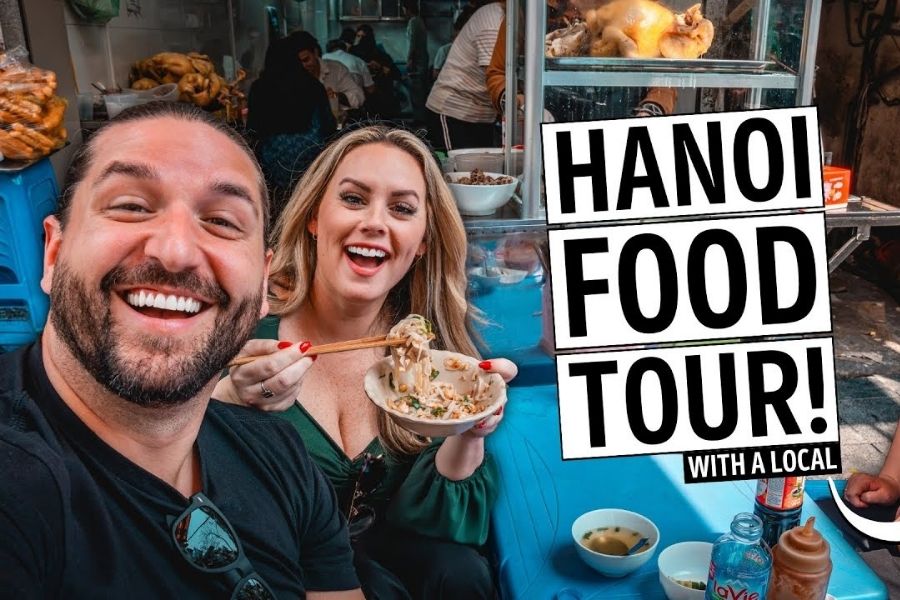
UNESCO and other cultural institutions increasingly recognize food traditions as forms of intangible cultural heritage. In Southeast Asia, street food represents collective knowledge – about climate, nutrition, and community organization – transmitted through practice rather than formal instruction.
Vendors operate within informal networks, sourcing ingredients from trusted suppliers and adjusting menus based on communal demand. These systems support local economies and preserve culinary knowledge that might otherwise disappear.
During short shore visits, street food is often consumed quickly, framed as an experience rather than a cultural system. Without time for observation and reflection, travelers may miss how deeply local food in Southeast Asia is embedded in social life, from religious offerings to family celebrations.
The Limits of One-Day Culinary Encounters
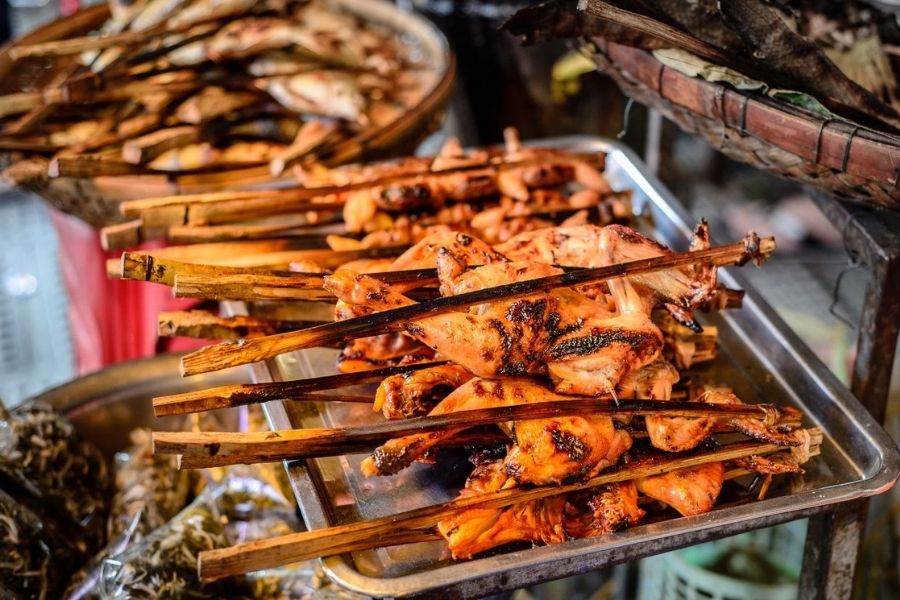
One day ashore allows for sensory excitement but limits contextual understanding. Flavors are experienced in isolation, detached from the routines and relationships that give them meaning. Local food in Southeast Asia is inseparable from daily life, shaped by rhythms that unfold over time.
Extended travel reveals patterns: how morning dishes differ from evening meals, how festival foods contrast with everyday fare, and how economic factors influence ingredient choices. These insights transform street food from a novelty into a cultural narrative.
Short shore visits also restrict interaction with vendors. Conversations tend to focus on transactions rather than stories. With time, exchanges become more personal, offering glimpses into family histories, generational change, and the challenges faced by small food businesses.
Experiencing Local Food in Southeast Asia Beyond Shore Excursions
Travelers seeking deeper culinary understanding benefit from itineraries that prioritize continuity and local engagement. Spending multiple days in one destination allows observation of food cycles, from market sourcing to preparation and consumption.
Such approaches highlight local food in Southeast Asia as a reflection of resilience and adaptation. Street food survives because it meets practical needs while preserving cultural identity. It responds to urbanization, tourism, and globalization without losing its communal essence.
Meaningful culinary travel emphasizes respect and curiosity. Rather than seeking exoticism, it values context – why certain dishes endure, how flavors connect to memory, and how food sustains both body and community.
Why Local Food in Southeast Asia Deserves Time
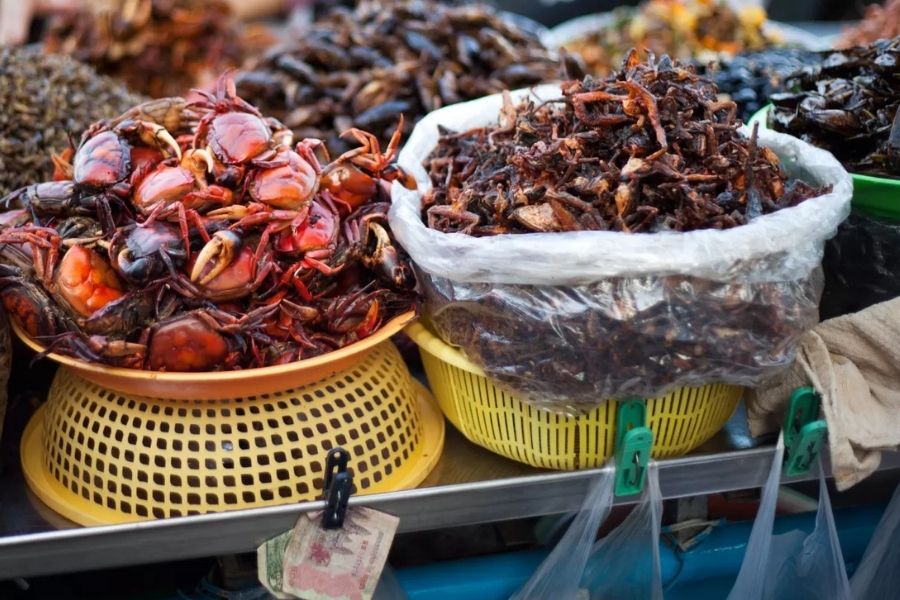
Street food near cruise ports offers a compelling introduction, but it is only the beginning. Local food in Southeast Asia cannot be fully understood through brief encounters alone. It requires patience, observation, and a willingness to look beyond the obvious.
When travelers move beyond the constraints of shore schedules, food becomes a gateway to cultural understanding. Each meal contributes to a broader story of place, people, and tradition. Southeast Asia rewards those who slow down, offering culinary experiences that resonate long after the journey ends.
By allowing time for immersion, travelers discover that street food is not simply eaten – it is lived. And within that everyday ritual lies one of the most authentic expressions of Southeast Asian culture.


0 Comment