
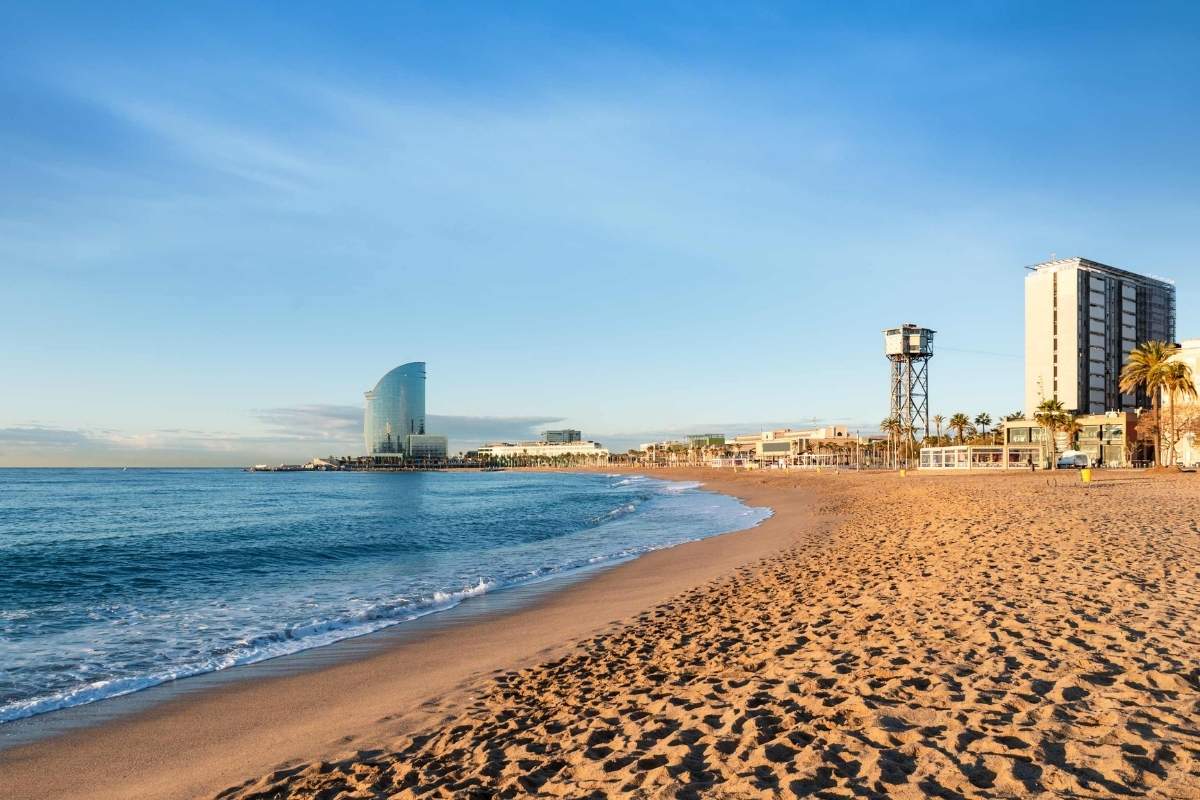

Spain is home to some of the most beautiful and diverse beaches in Europe. With over 5,000 kilometers of coastline, the country offers an incredible range of seaside experiences—from hidden coves framed by cliffs to golden sands lined with palm trees and turquoise waters. Whether you’re seeking a relaxing sun-soaked escape, an active beach holiday, or a scenic coastal adventure, Spain has a beach for every type of traveler.
In this guide from Global Shore Excursions, we’ll take you on a journey through the best beaches in Spain, focusing on three of the country’s most iconic coastal regions: Costa Brava, the Canary Islands, and the Balearic Islands. Each destination has its own unique character, landscape, and appeal.
Why Spain’s Beaches Stand Out?
Spain’s beaches aren’t just about sun and sand—they’re about lifestyle, culture, and natural beauty. Spanish beach towns are known for their vibrant energy, delicious seafood, historic charm, and warm hospitality. Additionally, many Spanish beaches have been awarded the Blue Flag, a recognition for clean, safe, and environmentally managed coastlines.
Here’s why Spain is a top beach destination:
- Year-round sunshine in some regions like the Canary Islands
- A variety of beach types: urban, remote, family-friendly, and naturist
- Clear Mediterranean or Atlantic waters perfect for swimming and snorkeling
- Rich culture, great food, and lively seaside towns
Best Beaches in Costa Brava

When it comes to the best beaches in Spain, the Costa Brava stands out as a Mediterranean paradise. Stretching along the northeastern coast of Catalonia, this rugged shoreline offers a perfect blend of turquoise waters, pine-fringed coves, and charming seaside villages. Here are four of the most stunning Costa Brava beaches to explore on your next Spain beach holiday:
1. Platja de Sa Tuna (Begur)
Nestled in a secluded bay near the historic town of Begur, Platja de Sa Tuna is a serene pebble beach known for its calm waters and colorful fishermen’s houses. Surrounded by rocky cliffs and forested hills, it offers a peaceful escape with a traditional village charm. Ideal for swimming, snorkeling, and relaxing away from the crowds, it’s one of the most hidden gems on the Spanish coast.
- Ideal for couples and nature lovers
- Great seafood restaurants nearby
- Less crowded than bigger beaches
2. Cala Pola (Tossa de Mar)
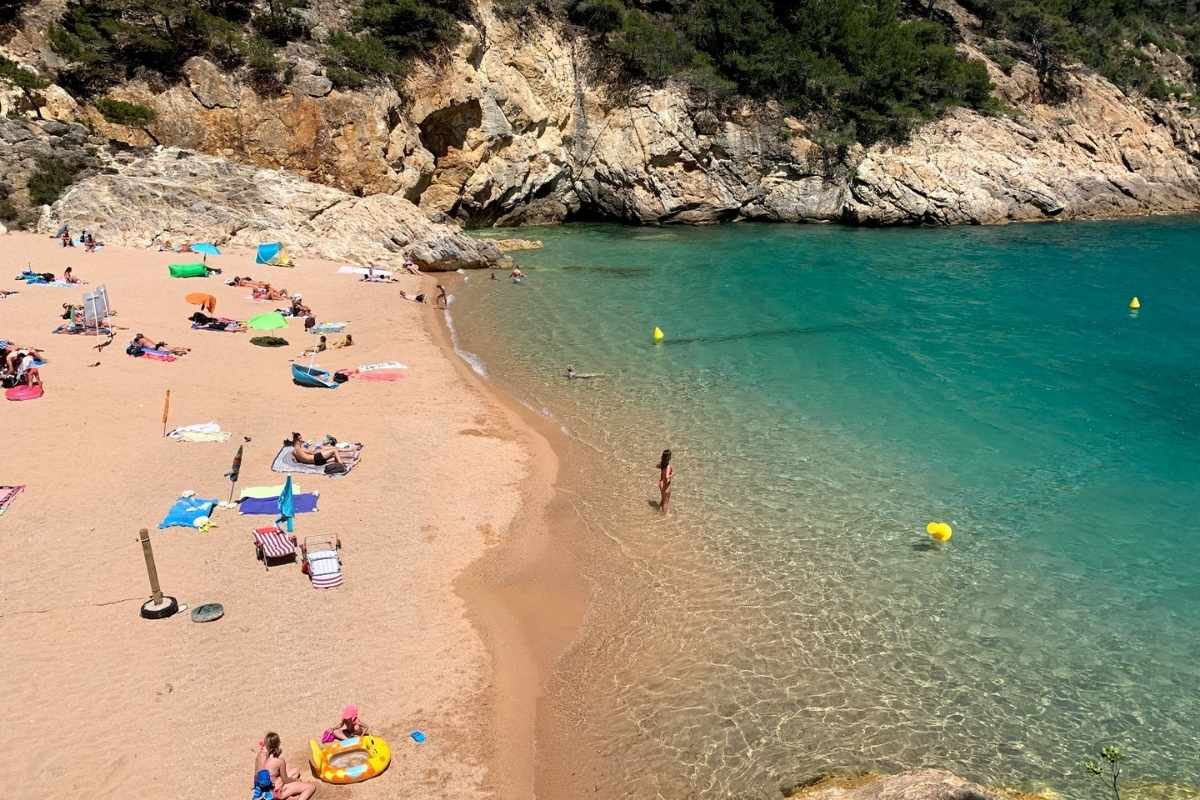
Just a few kilometers from the popular town of Tossa de Mar lies Cala Pola, a small cove with golden sand and emerald waters. Surrounded by pine trees and steep cliffs, it feels like a natural sanctuary. There’s a campsite nearby, making it popular with families and adventure travelers. This is one of the best beaches in Spain near Barcelona for those seeking natural beauty and a relaxed atmosphere. You could consider this destination as one stop in your Barcelona shore excursions.
- Excellent spot for snorkeling
- Family-friendly and calm waters
- Small beach bar open in summer
3. Platja de Tamariu
Tamariu is a charming coastal village that boasts one of the most scenic Mediterranean beaches in Spain. Its crescent-shaped beach is lined with whitewashed houses, cafés, and a relaxed promenade. The waters are crystal-clear and shallow, making it ideal for swimming and kayaking. Despite its beauty, Tamariu remains relatively uncrowded compared to other Costa Brava spots.
- Shallow water ideal for kids
- Popular among locals and French visitors
- Kayak rentals available
4. Aiguablava (Begur)
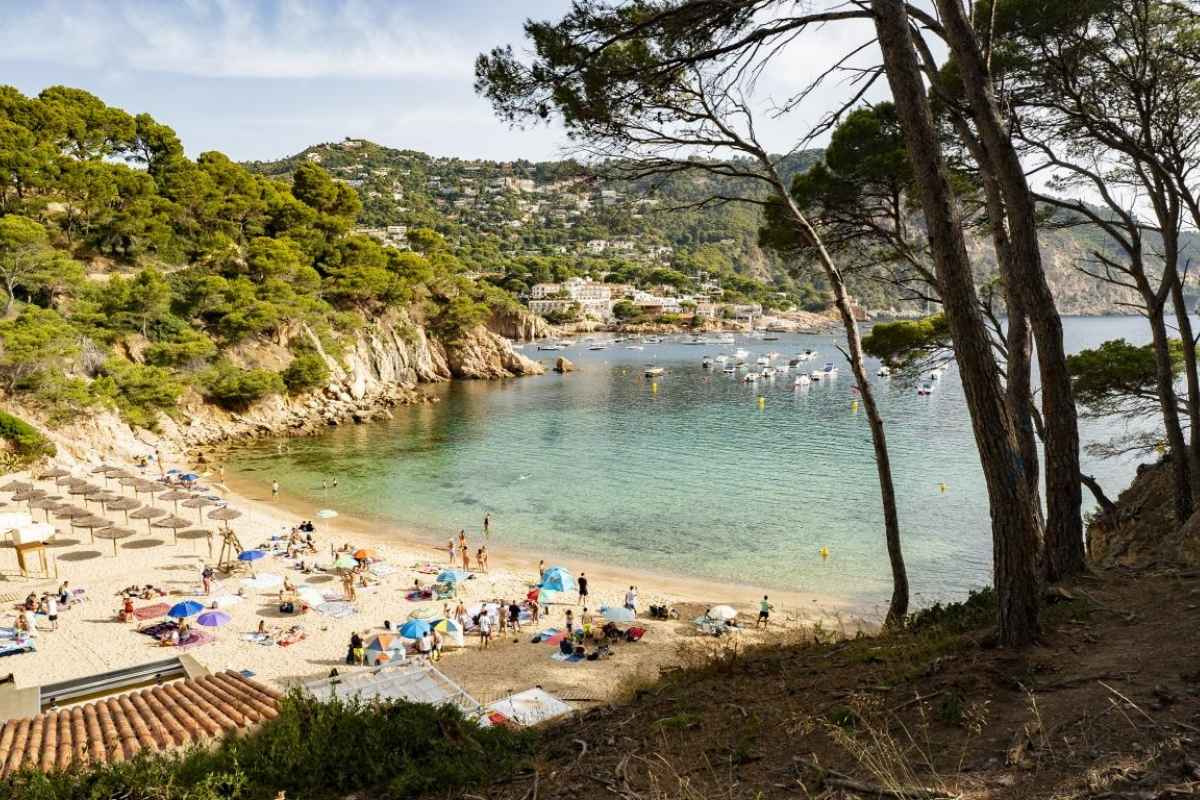
Translating to “Blue Water,” Aiguablava lives up to its name with dazzling aquamarine seas and soft golden sand. It’s one of the most famous and photographed beaches on the Costa Brava—and for good reason. Backed by cliffs and lush greenery, it’s a top choice for those seeking a luxurious yet natural beach experience. With nearby restaurants and easy access, it’s a must-visit beach on any Spain coastal destination itinerary.
- Good access and parking
- Restaurants and facilities nearby
- Extremely popular in summer
Best Beaches in the Canary Islands
When travelers think of the best beaches in Spain, the Canary Islands often top the list for good reason. This sun-drenched archipelago, located off the northwest coast of Africa, offers a tropical climate year-round, unique volcanic landscapes, and some of the most spectacular coastlines in Europe.
From golden dunes to emerald coves, the Canary Islands beaches are as diverse as they are breathtaking. Here are four must-visit beaches that truly capture the magic of Spain’s island paradise.
1. Playa de las Teresitas (Tenerife)
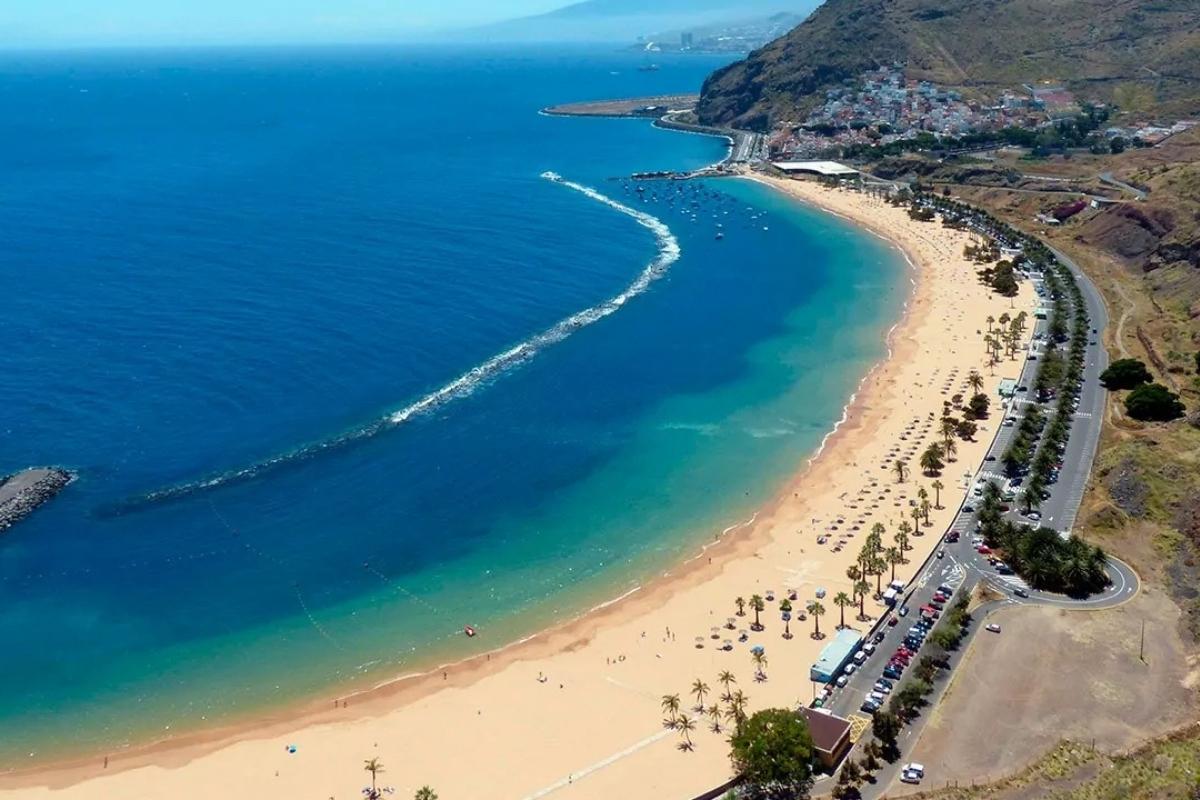
Located just outside Santa Cruz de Tenerife, Playa de las Teresitas is one of the most iconic beaches in the Canary Islands. Unlike the island’s natural black sand beaches, this one features golden sand imported from the Sahara, giving it a classic tropical look.
Palm trees line the beach, the calm waters are ideal for swimming, and the mountain backdrop adds to its postcard-perfect setting. This is one of the best beaches in Spain for families, sunbathers, and anyone wanting a relaxing day by the sea with full amenities.
- Calm waters protected by a breakwater
- Palm trees, showers, and beach bars
- Easy access from Santa Cruz
2. Playa de Papagayo (Lanzarote)
Tucked within Los Ajaches Natural Park, Playa de Papagayo is a crescent-shaped cove known for its emerald waters and sheltered setting. This beach is famous for its unspoiled beauty, surrounded by volcanic cliffs and reachable via a bumpy dirt road.
Papagayo is one of the most scenic Lanzarote beaches, ideal for snorkeling, photography, or simply soaking up the sun in peace. Despite its growing popularity, it retains a wild, untouched charm.
- Remote and natural, yet accessible by car or hiking
- Ideal for snorkeling and sunbathing
- No large developments or hotels
3. Playa de Maspalomas (Gran Canaria)
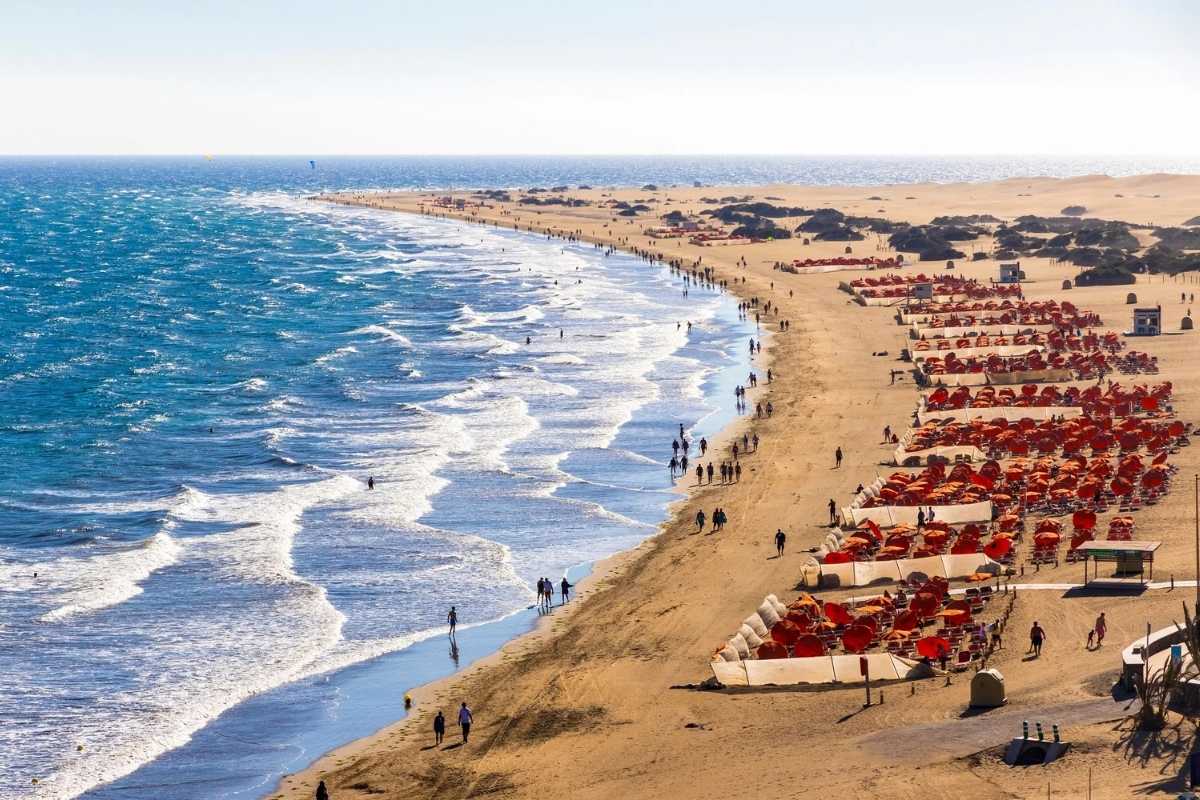
Playa de Maspalomas is one of the most unique beaches in Spain thanks to its dramatic sand dunes, stretching like a mini desert along the southern coast of Gran Canaria. This long, golden beach merges seamlessly with the Maspalomas Natural Dune Reserve, offering endless photo opportunities and scenic walks.
Popular with all types of travelers, this beach in Spain is also close to resorts, restaurants, and shopping areas. If you’re looking for a beach that combines nature with a lively vibe, this is a top choice.
- Nudist-friendly areas available
- Camel rides and dune walks
- Long stretches of sand for quiet spots
4. Playa de Cofete (Fuerteventura)
Remote and wild, Playa de Cofete is located on the southwestern tip of Fuerteventura, offering a raw, untouched stretch of coastline. With its dramatic cliffs, crashing Atlantic waves, and a sense of total isolation, this beach is not for casual swimmers, but it’s a must for adventurers and lovers of wild beauty.
Often hailed as one of the best beaches in Spain, Cofete feels like the end of the earth in the best way. The road to get there is rough, but the reward is immense solitude and jaw-dropping views.
- 14 km of untouched coastline
- No facilities—bring your own water and snacks
- 4×4 vehicle recommended to reach the beach
Best Beaches in the Balearic Islands
The Balearic Islands is an archipelago in the Mediterranean Sea including Mallorca, Menorca, Ibiza, and Formentera. These are home to some of the best beaches in Spain. Famed for their turquoise waters, limestone cliffs, and postcard-worthy coves, these islands are a dream come true for sunseekers, nature lovers, and beach enthusiasts alike.
Here are four must-visit Balearic Islands beaches that perfectly showcase why this region is a Mediterranean paradise.
1. Cala Macarella (Menorca)
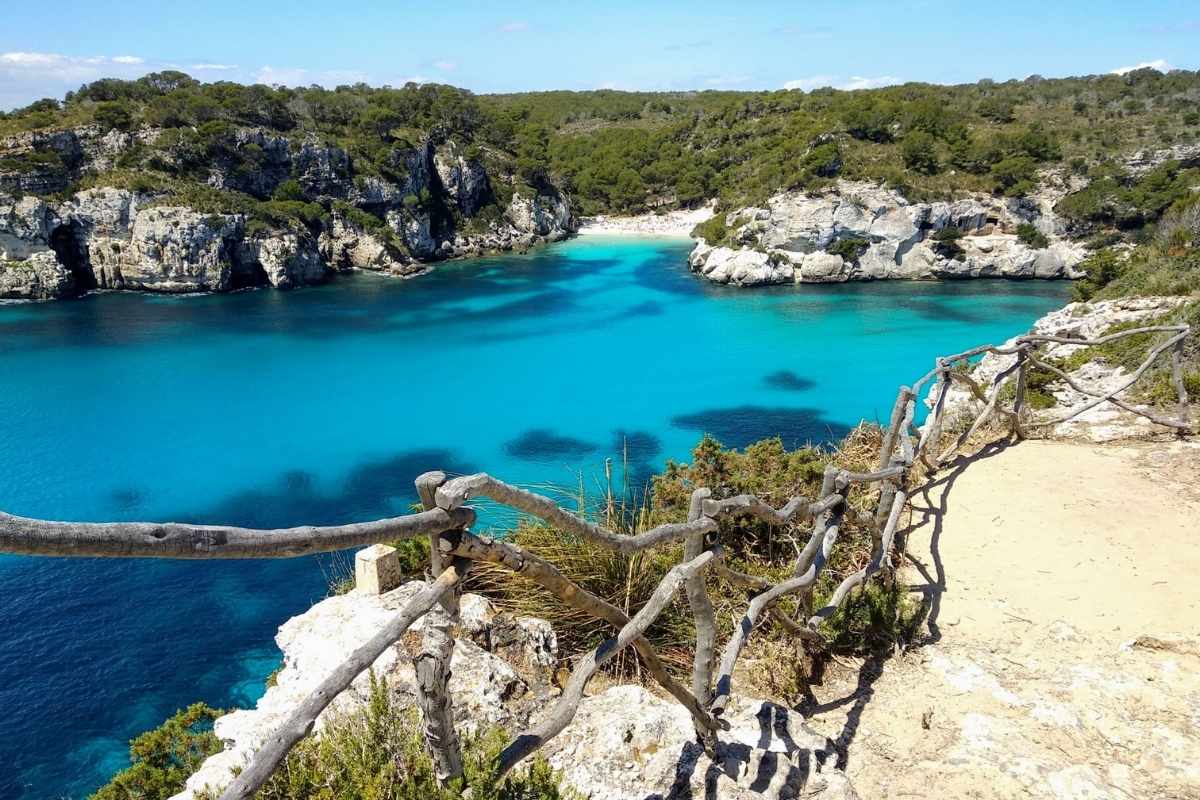
Located on the southwestern coast of Menorca, Cala Macarella is a stunning, shell-shaped cove surrounded by pine-covered cliffs and white limestone rock. Its calm, crystal-clear waters make it ideal for swimming, snorkeling, and floating for hours under the sun.
Though popular in the summer, Cala Macarella still retains a peaceful, natural charm. A short hike connects it to the equally beautiful Cala Macarelleta, offering one of the best short coastal walks in the Balearics.
- Short hike required from the parking area
- Great for swimming and relaxing
- Can get crowded—arrive early
2. Playa de Ses Illetes (Formentera)
Often ranked among the best beaches in Europe, Ses Illetes on Formentera is the definition of tropical paradise with shallow, aquamarine water and fine white sand that rivals the Caribbean. Its name means “beach of the little islands,” referring to the islets just offshore that enhance its postcard-perfect views.
Located within a protected natural park, this beach combines stunning scenery with a laid-back vibe. Visitors can enjoy beach clubs, sailing excursions, and local seafood—all while soaking up the relaxed Formentera lifestyle.
- Ideal for romantic getaways
- Accessible by ferry from Ibiza
- Popular with yacht visitors
3. Cala Comte (Ibiza)
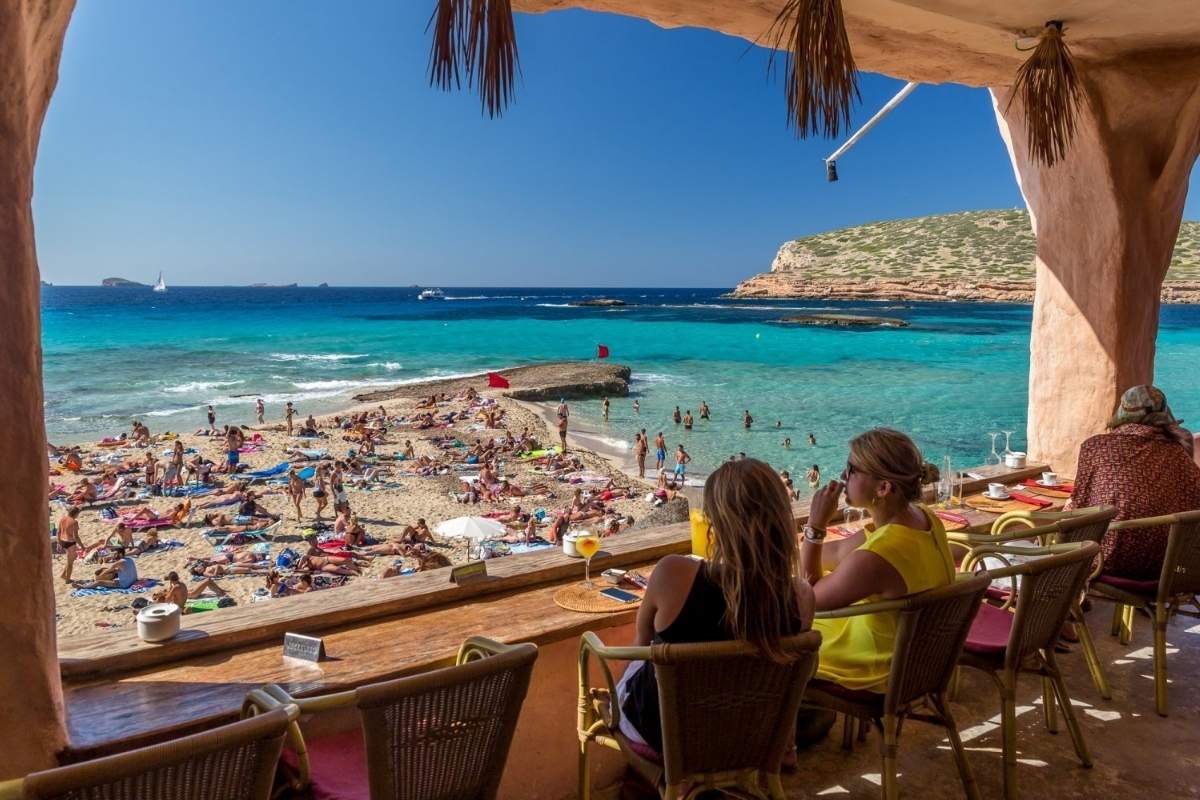
Cala Comte, on the western edge of Ibiza, is known for its striking sunsets, clear waters, and rocky outcrops. A series of small coves and sandy patches make up the beach, offering options for swimmers and sunbathers alike.
Despite Ibiza’s party reputation, Cala Comte is more about natural beauty than nightlife. From the beach, you’ll enjoy panoramic views of nearby islets and magical light in the late afternoon, ideal for photography and sunset drinks on Ibiza shore excursions.
- Multiple coves and swimming areas
- Sunset bars and DJs in the evening
- Excellent snorkeling
4. Caló des Moro (Mallorca)
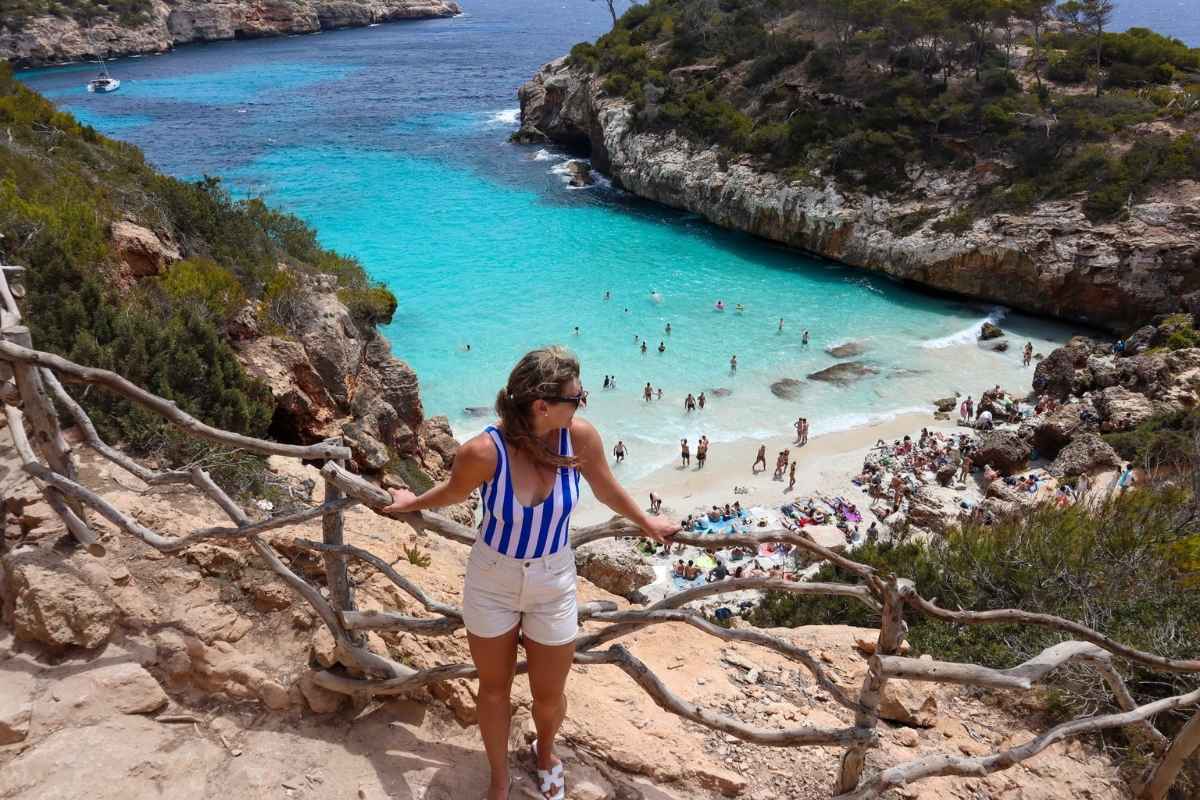
Tucked away on Mallorca’s southeastern coast, Caló des Moro is a breathtaking hidden gem. Framed by high cliffs and thick vegetation, its clear turquoise water contrasts dramatically with the rugged coastline.
Though small and somewhat difficult to reach (requiring a short hike down), the reward is a tranquil, scenic beach that feels exclusive and unspoiled. It’s one of the best beaches in Mallorca for those seeking raw natural beauty.
- Requires a steep walk to reach
- No services – bring your own supplies
- Instagram-famous but still feels wild
Tips for Visiting Top Best Beaches in Spain
Planning to explore the best beaches in Spain? From the golden shores of Costa Brava to the turquoise coves of the Balearic Islands and the volcanic beaches of the Canary Islands, Spain offers something for every beach lover. To help you make the most of your seaside getaway, here are essential travel tips for Spanish beaches, covering everything from timing to beach etiquette.
Choose the Right Region for Your Travel Style
Spain’s coastline is incredibly diverse. Picking the best destination depends on your preferences:
- Costa Brava: Great for scenic coves, cliffside views, and proximity to Barcelona
- Balearic Islands: Ideal for turquoise waters, island-hopping, and a mix of quiet and lively beach scenes
- Canary Islands: Perfect year-round sun, unique volcanic landscapes, and less-crowded beaches
If you’re after family-friendly beaches, head to the Costa del Sol or Playa de las Teresitas in Tenerife. For untouched, remote experiences, try Playa de Cofete in Fuerteventura or Caló des Moro in Mallorca.
Travel Outside of Peak Summer if Possible
The best beaches in Spain are extremely popular during July and August. If you want to avoid crowds, high accommodation prices, and scorching heat, consider traveling during:
- Late May to early June: Warm weather, fewer tourists
- September: Sea is still warm, and the crowds thin out
- Winter: For the Canary Islands, which enjoy a spring-like climate year-round
These shoulder seasons also offer better deals and a more relaxed vibe on even the most famous Spain coastal destinations.
Know the Local Beach Etiquette
Spaniards take their beach time seriously! Here are a few customs and unspoken rules to follow:
- Topless sunbathing is widely accepted on most Spanish beaches, especially in the Mediterranean
- Nudist beaches exist too: Look for signs like “Playa Nudista”
- Respect quiet areas. Not all beaches are party spots
- Clean up after yourself. Use provided bins and avoid littering
- Don’t forget to rinse off before leaving using beachside showers, common in resort towns
Pack Smart: Essentials for Spain’s Beaches

Being prepared will make your day more enjoyable. Here’s what to bring:
- Sunscreen (reef-safe if you’re snorkeling)
- Waterproof phone pouch
- Snorkel gear (especially in Cala Macarella, Cala Comte, or Cala Pola)
- Beach shoes or sandals (many coves have rocky terrain)
- Reusable water bottle. Spain’s tap water is safe to drink
- Light towel or sarong – easy to carry in a beach bag
- Cash, especially for beach bars (chiringuitos) or remote parking areas
Be Aware of Beach Flags and Safety Signs
Most popular beaches in Spain follow a flag system for swimming safety:
🟢 Green: Safe to swim
🟡 Yellow: Caution advised
🔴 Red: Do not swim – dangerous conditions
Lifeguards are usually on duty during the high season on major beaches, but always check signage and avoid swimming alone on remote beaches like Cofete.
Consider Local Transportation and Parking
When visiting the best beaches in Spain, transportation and parking are important factors to consider. Many hidden beaches, especially in regions like Costa Brava or the Balearic Islands, are tucked away and require a bit of hiking or driving off the main road to reach.
In island destinations such as Mallorca or Ibiza, renting a scooter or car is often the most convenient way to explore remote coves and enjoy flexibility in your beach-hopping itinerary. Meanwhile, for city beaches in places like Barcelona or San Sebastián, public transportation is efficient and well-connected, just be sure to avoid peak commuter hours if you want a smoother ride.
Combine Beach Time with Local Culture
While the beaches are the main draw, don’t miss out on local experiences nearby:
- Explore historic towns like Begur, Tossa de Mar, or Ciutadella after a beach morning
- Try authentic Spanish cuisine at beachside chiringuitos: paella, grilled sardines, and sangría are a must
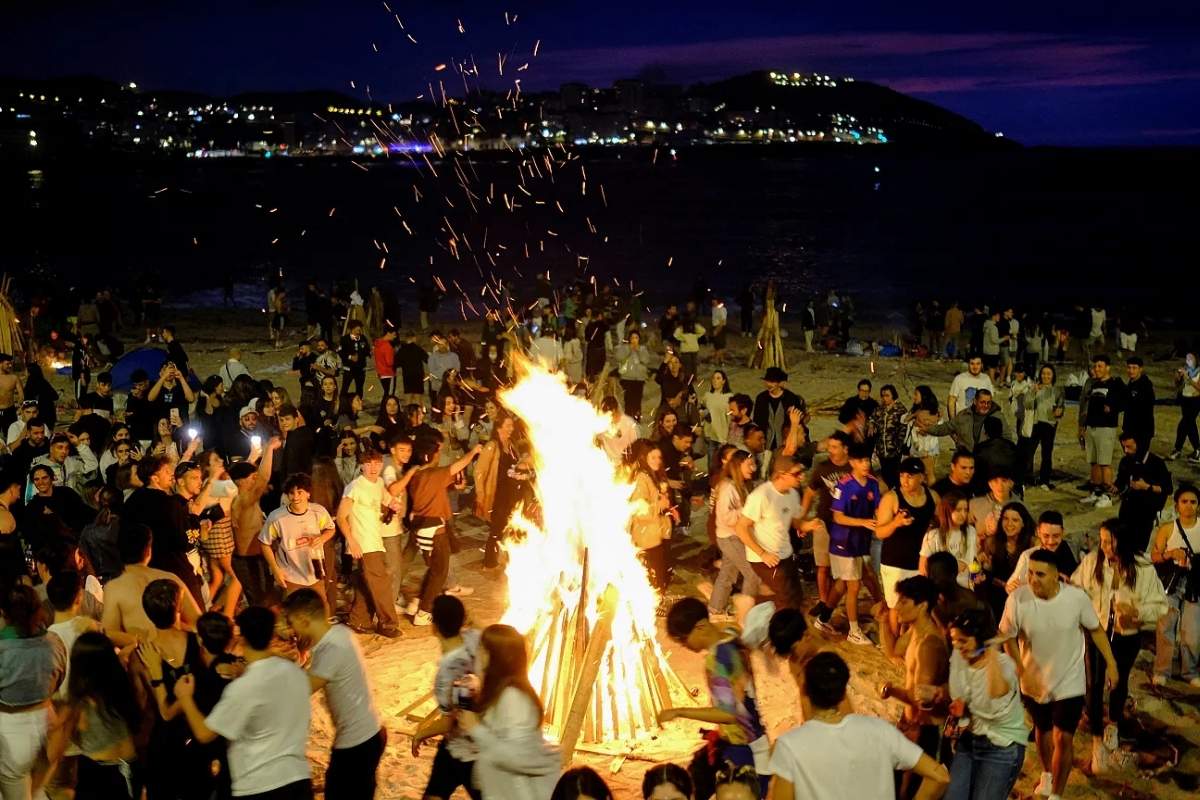
- Attend local beach festivals or sunset drum circles, especially in Ibiza or the Canary Islands
- Visit UNESCO sites or scenic hiking trails between beach visits for a well-rounded trip
When Is the Best Time to Visit Beaches in Spain?
Spain’s beach season can vary depending on the region, but in general, the best time to enjoy the country’s coastline is between late spring and early autumn. Each season offers a slightly different experience, whether you’re looking to avoid crowds, soak up the sun, or explore the natural beauty in peace. Here’s a breakdown of what to expect throughout the year:
- May to June: Fewer crowds, pleasant temperatures, and lower prices. A great time to visit before peak season begins.
- July to August: Peak summer months with hot weather and lively beach scenes. Best for sunbathing, festivals, and nightlife.
- September to October: Warm water, fewer tourists, and a more relaxed vibe. Ideal for a peaceful beach holiday.
- November to April: While the mainland and Balearics are cooler, the Canary Islands remain warm and sunny – perfect for winter beach escapes.
Conclusion
From the wild coves of Costa Brava to the volcanic shores of the Canary Islands and the dreamy waters of the Balearic Islands, Spain offers some of the best beaches in Europe. Whether you’re seeking solitude, adventure, or vibrant social scenes, Spain’s coastal gems provide a perfect beach escape. So pack your sunglasses, grab a towel, and get ready to explore the best beaches in Spain – each with its own flavor, beauty, and unforgettable charm.


0 Comment